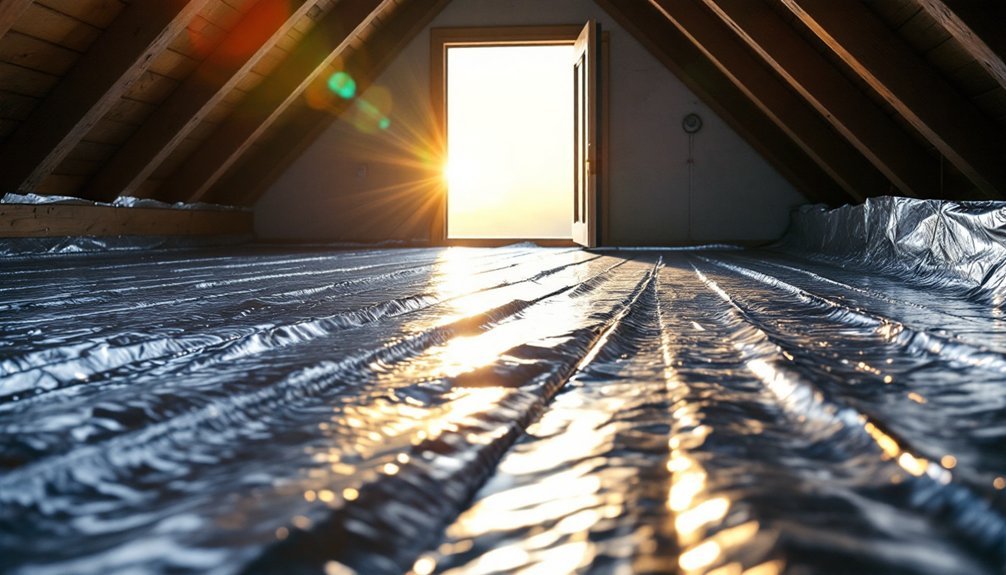
If you’re trying to cool your attic and cut energy loss in 2027, the right radiant barrier can make a real difference. Some options reflect more than 97% of heat, while others add durability, vapor control, or fire-rated protection you can trust. The best choice isn’t always the most expensive one, and a few details can change everything. Here’s what sets the top seven apart—and which one may fit your attic best.


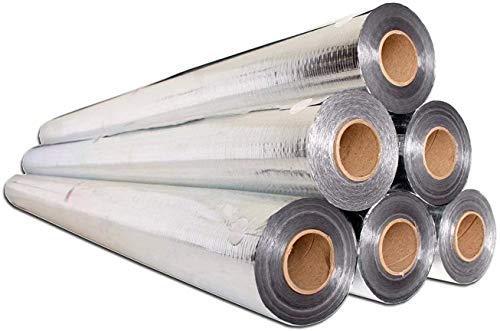


Product availability last checked: October 2026
Which Radiant Barrier Fits Your Attic?
- Most DIY attics with open rafters: AtticFoil Original – pure aluminum, perforated, and seam tape is included.
- You want certification spelled out on the listing: RadiantGUARD Xtreme – states ASTM C1313 compliance and is a heavier, tear-resistant roll.
- Small attic, garage or shed (under about 450 sq ft): SmartFOIL 500 sq ft – half-size roll, so less leftover material.
- Garage doors, walls, crawlspaces or metal buildings: US Energy Double Bubble – adds a little insulating bulk, but it is not perforated, so it is a poor choice for the underside of attic rafters.
- Covering a large area with a backup option: US Energy Products 1000 sq ft or Houseables 1000 sq ft.
How Many Rolls Do You Need?
Roll sizes on these listings range from 400 to 1,000 sq ft, so the same attic can need one roll or four. Enter your attic floor area to compare.
Foil needed: – (includes 10% for overlaps and waste)
| Product | Roll size | Rolls needed | |
|---|---|---|---|
| AtticFoil Original | 1,000 sq ft | – | View on Amazon |
| RadiantGUARD Xtreme | 1,000 sq ft | – | View on Amazon |
| US Energy Products | 1,000 sq ft | – | View on Amazon |
| Houseables | 1,000 sq ft | – | View on Amazon |
| VEVOR Double Reflective | 1,000 sq ft | – | View on Amazon |
| SmartFOIL | 500 sq ft | – | View on Amazon |
| US Energy Double Bubble (walls and garage doors) | 400 sq ft | – | View on Amazon |
Estimate for a simple gable roof. Under-rafter coverage equals floor area times the pitch factor; add your gable end walls if you plan to cover them. Floor installation uses less foil, but dust settling on the foil reduces how well it works over time, which is why most manufacturers recommend the rafter method.
More Details on Our Top Picks
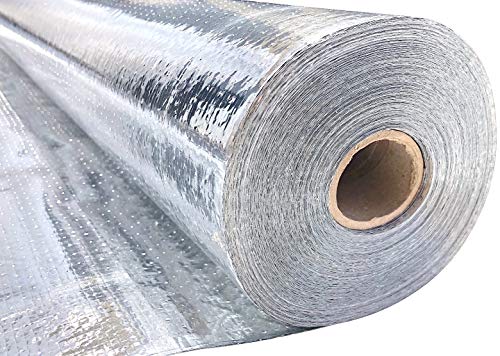
AtticFoil Original Radiant Barrier Insulation Roll (1000 sq ft)
If you want the most complete attic radiant barrier, AtticFoil stands out as the overall top pick. You get pure aluminum foil, not metalized plastic film, so it holds up better in hot attics. Its tearproof inner fabric adds strength, and the perforations let moisture escape, which helps avoid vapor-barrier problems. It blocks 97% of radiant heat and can cut attic temperatures by up to 30 degrees. Choose the 26-inch roll for truss attics or the 48-inch roll for open-frame spaces. You also get free seam tape, guides, videos, and expert support.
- Coverage:1,000 sq ft
- Roll Dimensions:26″ or 48″ x 250′
- Reflectivity:97%
- Fire Rating:ASTM C1313 compliant
- Perforated:Yes
- Double-Sided:Yes
- Additional Feature:Pure aluminum foil
- Additional Feature:Tearproof fabric backing
- Additional Feature:Free seam tape
Not ideal if your attic is under about 400 sq ft. This listing is the full 1,000 sq ft roll, so a half-size roll like SmartFOIL leaves less waste.
RadiantGUARD® Radiant Barrier Xtreme Attic Insulation 1000 sq ft 4 x 250ft
RadiantGUARD® Xtreme suits you best when certification and high-performance attic heat control matter most. You get an ASTM C1313-rated radiant barrier that also meets fire, vapor, tear, and corrosivity standards, so it fits demanding building codes. Its 4 x 250-foot, 1,000-square-foot roll blocks 95% of radiant heat gain and loss, helping your attic stay up to 30 degrees cooler. You can staple it to rafters or gable walls, cut it easily, and install it without special gear. The perforated, fiber-free, commercial-grade silver material is tough, non-toxic, and maintenance-free.
- Coverage:1,000 sq ft
- Roll Dimensions:48″ x 250′
- Reflectivity:95%
- Fire Rating:Class A / Class 1
- Perforated:Yes
- Double-Sided:Yes
- Additional Feature:ASTM C1313 certified
- Additional Feature:Commercial-grade 28 lbs
- Additional Feature:Non-toxic fiber-free
Not ideal if you are working alone in a cramped attic. The 1,000 sq ft roll weighs around 26 to 28 lb, so pre-cut sheets or a helper make it much easier.
US Energy Products Radiant Barrier Insulation 1000 sqft
US Energy Products is ideal when you want the highest reflectivity in a 1,000-sq-ft attic roll. You get a 250-foot by 4-foot double-sided foil that covers 1,000 square feet and reflects 99.7% of radiant heat. That can lower your cooling costs by 10% to 45%, depending on your climate. The industrial-grade material resists tearing, punctures, and wrinkling, and you can cut it with utility scissors. It meets ASTM fire and smoke standards, stays waterproof and weatherproof, and needs no maintenance after you install it in new or existing buildings.
- Coverage:1,000 sq ft
- Roll Dimensions:48″ x 250′
- Reflectivity:99.7%
- Fire Rating:Class A / Class 1
- Perforated:Not specified
- Double-Sided:Yes
- Additional Feature:99.7% reflective value
- Additional Feature:Made in USA
- Additional Feature:Maintenance-free installation
Not ideal if you want seam tape in the box. Plan on buying foil tape separately.
Houseables Radiant Barrier Insulation Roll 250′ x 4′ 1000 Sq Ft
With 1,000 square feet of coverage, this roll is a reliable choice for larger attics and whole-home projects. You get a 250-foot by 4-foot double-sided foil barrier that reflects over 97% of radiant heat instead of soaking it up. That means your attic can stay cooler in summer, and you may cut cooling costs by about 10%, depending on climate. It’s thin, tear-resistant, lightweight, and easy to trim with utility scissors. You can install it in new or existing buildings, and it meets Class A fire safety standards.
- Coverage:1,000 sq ft
- Roll Dimensions:48″ x 250′
- Reflectivity:97%+
- Fire Rating:Class A / Class 1
- Perforated:Not specified
- Double-Sided:Yes
- Additional Feature:Fungi-resistant surface
- Additional Feature:Rodent nest deterrent
- Additional Feature:Houseables RaBa model
Not ideal if you only have a small job. Like most rolls here it is 1,000 sq ft, which is more than a shed or a single garage needs.
SmartFOIL Industrial Grade Radiant Barrier Roll
SmartFOIL’s perforated, double-sided roll suits you if you want one barrier for many jobs. You get 500 square feet in a 4-foot by 125-foot roll that you can staple under rafters or lay over attic floors. It blocks 95% of radiant heat, so you can cut winter heat loss and summer cooling demand. The reinforced, tear-resistant foil is easy to trim with utility scissors, and its clear coating helps resist corrosion. It meets ASTM C1313, carries a Class A fire rating, and works well in attics, barns, metal buildings, poultry houses, and house wrap applications.
- Coverage:500 sq ft
- Roll Dimensions:48″ x 125′
- Reflectivity:95%
- Fire Rating:Class A
- Perforated:Yes
- Double-Sided:Yes
- Additional Feature:500 sq ft roll
- Additional Feature:Corrosion-resistant coating
- Additional Feature:Barn-friendly application
Not ideal if you are doing a full attic. At 500 sq ft per roll, most homes need two to four rolls and more seams to tape.
VEVOR Double Reflective Insulation Roll for Window RV Roof
VEVOR’s double reflective roll shines for windows, RV roofs, and spaces where you need strong heat control. You get double-sided aluminum foil paired with wear-resistant polyethylene woven fabric, plus a perforated build that helps air and moisture pass through, so condensation won’t trap easily. It reflects over 95% of solar heat, helping you block summer gain and reduce winter loss. The 0.15mm roll is tear-resistant, lightweight, and easy to cut, install, fold, and store. At 48 inches by 250 feet, you can tailor it for garages, roofs, homes, and more.
- Coverage:1,000 sq ft
- Roll Dimensions:48″ x 250′
- Reflectivity:95%+
- Fire Rating:Not specified
- Perforated:Yes
- Double-Sided:Yes
- Additional Feature:Polyethylene woven fabric
- Additional Feature:0.15mm thickness
- Additional Feature:Foldable for storage
Not ideal if you want a pure-foil attic barrier. This is aluminum foil laminated on woven PE fabric and is marketed for windows, RVs and roofs as well.
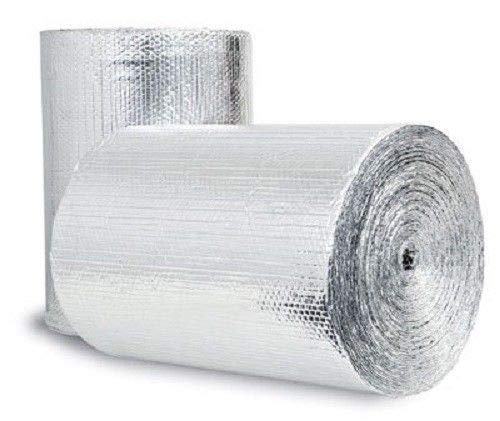
US Energy Products Double Bubble Reflective Foil Insulation R8
US Energy Products Double Bubble Reflective Foil Insulation R8 suits you if you need a lightweight attic barrier. You get a double-sided foil roll with a double bubble core, measuring 48 inches by 100 feet and covering 400 square feet. It’s about 6.5 mm thick, delivers an R8-24 rating, and reflects 99.7% of radiant heat while emitting just 3%. You can cut it easily, install it without special gear, and use it as a vapor barrier when taped. It’s waterproof, weatherproof, non-toxic, and Class A fire rated for reliable attic performance.
- Coverage:400 sq ft
- Roll Dimensions:48″ x 100′
- Reflectivity:99.7%
- Fire Rating:Class A / Class 1
- Perforated:Not specified
- Double-Sided:Yes
- Additional Feature:Double bubble core
- Additional Feature:R8 thermal rating
- Additional Feature:Vapor barrier capable
Not ideal if you are covering the underside of attic rafters. It is not perforated, so it can trap moisture there; it fits garage doors, walls and crawlspaces better.
What Else You Will Need for the Install


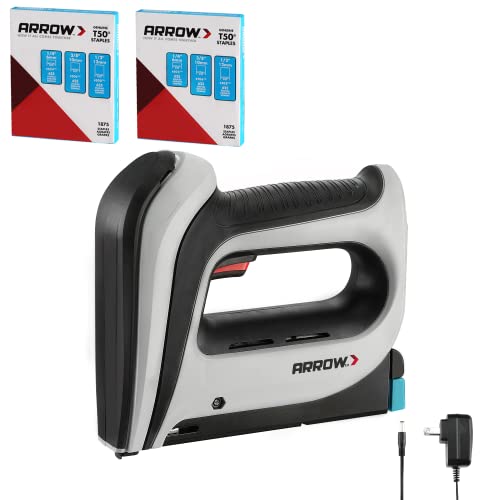
The classic way to fasten foil to the underside of rafters; staples included.
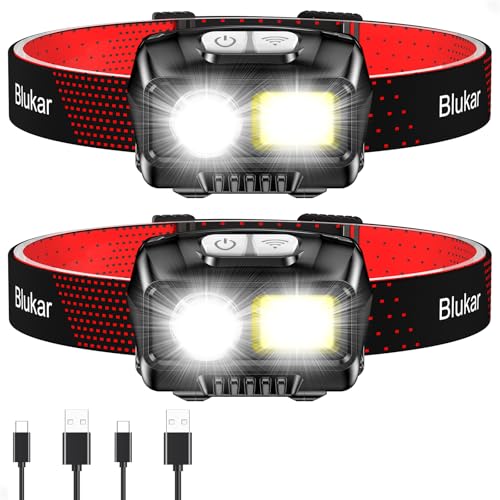
Worth it for a full attic: hundreds of overhead staples get tiring with a manual gun.

Factors to Consider When Choosing Radiant Barriers for Your Attic That Actually Work
When you choose a radiant barrier, check its heat reflectivity rating first, since that tells you how well it’ll block attic heat. You’ll also want durable material, the right perforation or breathability for your attic setup, and fire safety compliance you can trust. Finally, make sure the roll size covers your space without wasting material or leaving gaps.
Heat Reflectivity Rating
A radiant barrier’s heat reflectivity rating tells you how much radiant heat it can bounce back, and higher numbers usually mean better attic performance. You should look for products that reflect 95% to nearly 100% of radiant heat, since that range helps cut attic temperatures and improves energy efficiency. If you want top-tier results, choose a barrier with reflectivity at or above 97%; that level is widely considered highly effective for attic insulation. Double-sided reflective surfaces often keep their reflectivity more consistent when conditions change, so they can give you steadier performance. Also, don’t ignore perforation or vapor permeability. Those features can lower reflectivity slightly, but they help control moisture, which supports the barrier’s long-term effectiveness and keeps your attic working better overall.
Material Durability Matters
Even a high-reflectivity radiant barrier won’t perform well if it breaks down in attic heat, so material durability should be high on your list. You should look for barriers made with double-sided pure aluminum foil because it handles punishing temperatures better and resists degradation. A tear-resistant fabric or woven polyethylene reinforcement helps the product survive handling, stapling, and long-term stress without ripping or wrinkling. You’ll also want corrosion resistance and weatherproof coatings, since attic conditions can slowly wear down weak materials. Lightweight construction matters too, because you can install it more easily without bending or damaging it. Choose a barrier built to stay strong, stable, and intact over time, and you’ll get better performance with fewer replacements and less hassle.
Perforation And Breathability
Perforated radiant barriers can be a smart choice because they let moisture vapor pass through instead of trapping it in your attic. When you choose a breathable option, you reduce the risk of condensation, mold, mildew, and stale indoor air. Tiny micro-perforations help your attic keep moving air while the surface still reflects radiant heat effectively. That balance matters because a barrier that’s too sealed can act like a vapor trap and damage framing, sheathing, and insulation over time. With the right perforation level, you support durability by limiting moisture-related corrosion and breakdown. You also help your insulation work better, since your attic stays drier, healthier, and more stable through seasonal swings.
Fire Safety Compliance
Fire safety should be at the top of your list when you choose a radiant barrier for the attic, because the right product needs to meet ASTM standards like E-84 and E-2599 and carry a Class A or Class 1 rating for strong flame-spread resistance and low smoke development. You should also verify that the material passes surface-burning tests, so it won’t help fire move quickly through your attic. Choose products made from non-toxic, non-carcinogenic materials that resist heat and flame during installation and everyday use. When you pick a properly fire-rated barrier, you help protect your home and support local, state, and federal building-code requirements. That compliance matters, because it lowers risk and gives you safer long-term performance in real attic conditions.
Roll Size Coverage
When you’re comparing radiant barrier rolls, coverage matters as much as the material itself, because most rolls cover about 1,000 square feet and commonly come in sizes like 48 inches by 250 feet or 26 inches by 462 feet. You should match the roll width to your attic’s layout, since wider rolls suit horizontal runs while narrower rolls work better in truss-style or vertical spaces. Bigger coverage can cut seams and save time, but smaller widths can help you maneuver around tight corners and irregular framing. Make sure the total roll coverage matches your attic area, because gaps leave sections exposed to heat transfer and weaken reflective performance. Lightweight rolls also make it easier to handle large square footage in cramped attic spaces without extra strain.
Installation Method Fit
Once you’ve matched roll coverage to your attic size, the next thing to check is how the barrier will actually go in. If your attic uses vertical truss framing, you’ll want narrower rolls that cut and staple cleanly between members. For open-frame or horizontal attic floors, wider rolls can speed coverage and reduce seams. Choose a product you can fasten with the method you prefer, whether you’re stapling to rafters or laying it loose over joists. That matters because easy cutting and fastening help the barrier stay flat and work better. Perforated options are smart when you need moisture to pass through and you want to avoid trapping vapor. If the roll includes seam tape, you can seal overlaps faster. Also check whether you’ll need protective gear or just common DIY tools.
Climate And Use Case
Your climate should drive the choice, because radiant barriers work best in hot attics where they can cut attic temperatures by as much as 30 degrees and ease cooling costs. If you live in a cooler region, you can still benefit, since they reflect heat back into your living spaces and can trim heating bills in winter. Pick a barrier with the right moisture permeability for your humidity level so you don’t create vapor problems. Match the product to your attic’s construction and ventilation, whether you’re installing it on vertical or horizontal surfaces. Also consider the job: attic insulation, wall applications, and metal buildings each need different designs for durability and energy savings. Choose for your climate, then your use case.
Frequently Asked Questions
How Do Radiant Barriers Affect Attic Moisture Levels?
You can lower attic moisture swings because radiant barriers reduce heat buildup, which helps curb condensation. They won’t remove existing humidity, so you still need proper ventilation and air sealing to keep your attic dry.
Can Radiant Barriers Reduce Ice Dam Formation?
Yes, you can reduce ice dams with radiant barriers, but they won’t stop them alone. You’ll need good attic insulation, ventilation, and air sealing too, since they mainly cut heat gain from below.
Do Radiant Barriers Interfere With Roof-Mounted Wi-Fi Signals?
Usually, you won’t notice interference. You can place radiant barriers under the roof deck, and they reflect heat, not Wi‑Fi. If you mount antennas nearby, though, metal layers can slightly weaken signals.
What Maintenance Do Attic Radiant Barriers Need Over Time?
You’ll mainly need to inspect your radiant barrier occasionally, remove dust or debris, and repair tears, loose staples, or moisture damage. You shouldn’t paint it or cover it, and you’ll want to keep airflow clear.
Are Radiant Barriers Safe to Install Near Electrical Wiring?
Yes, you can install radiant barriers near wiring if you keep proper clearance, avoid covering fixtures, and follow code. You should check insulation ratings and call an electrician if you’re unsure about heat or damage risks.