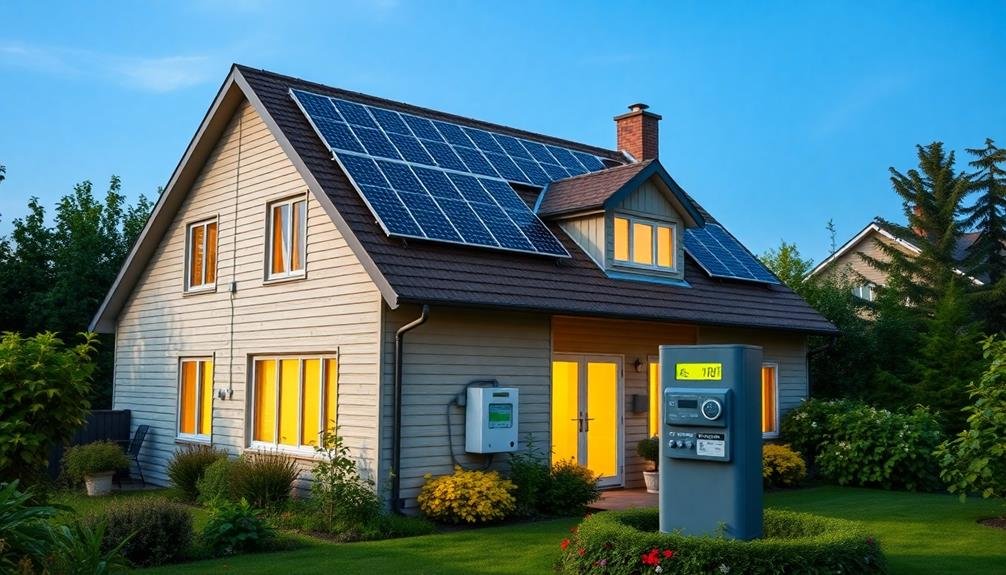
You'll find numerous government incentives for micro-CHP home systems. These include federal tax credits offering up to 30% of system costs, state-level rebates ranging from $500 to $5,000, and utility company incentives like net metering. Low-interest financing options and grants are available to help with installation costs. Energy efficiency certifications can lead to additional benefits, while local government subsidies may provide property tax exemptions or expedited permitting. Rural homeowners can access specialized assistance programs. Green building incentives offer further support for energy-efficient improvements. By exploring these options, you'll discover how to make micro-CHP more affordable and accessible for your home.
Federal Tax Credits
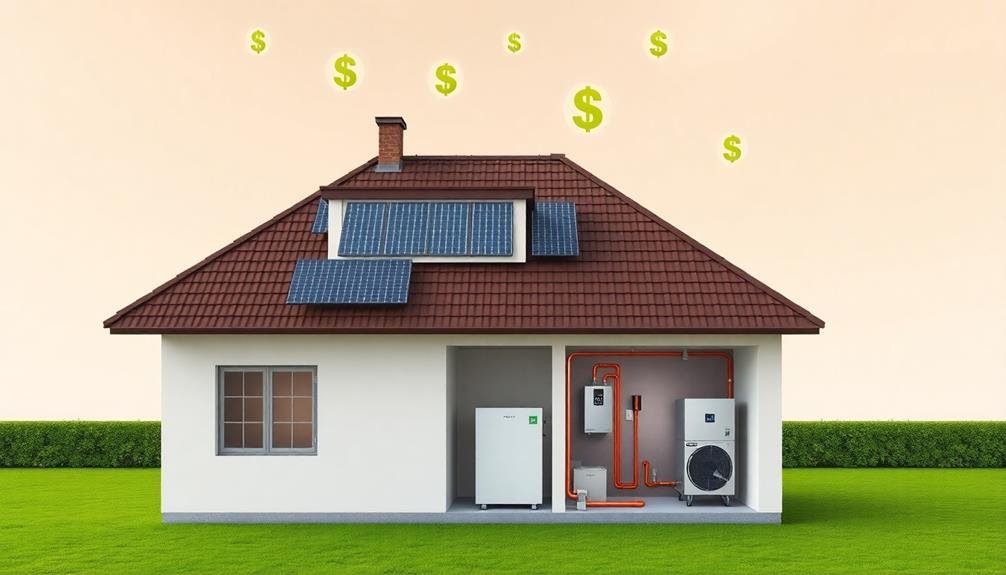
Three key federal tax credits are available for homeowners who install micro-CHP systems.
First, you can claim the Residential Renewable Energy Tax Credit, which offers a 30% credit on the cost of your micro-CHP system. This credit applies to systems installed before December 31, 2032, and it's gradually phased out over the following two years.
Secondly, you may qualify for the Energy Efficient Home Improvement Credit. This credit covers 30% of the costs for energy-efficient improvements, including micro-CHP installations, up to $1,200 annually. It's available through 2032 and can be claimed each year you make eligible upgrades.
Lastly, there's the New Energy Efficient Home Credit for builders and contractors. If you're constructing a new home with a micro-CHP system, you could receive up to $5,000 in tax credits, depending on the home's energy efficiency level.
To claim these credits, you'll need to file IRS Form 5695 with your tax return. Keep all receipts and manufacturer certifications for your micro-CHP system, as they're required for documentation.
State-Level Rebate Programs
You'll find various state-level rebate programs offering financial incentives for micro-CHP home systems.
These programs typically provide rebates ranging from $500 to $5,000, depending on the system's capacity and the state's specific guidelines.
To qualify, you'll need to meet certain eligibility criteria, such as system efficiency standards and installation requirements, and follow a straightforward application process that usually involves submitting documentation and proof of purchase.
Available Rebate Amounts
Across the United States, state-level rebate programs for micro-CHP home systems vary widely in their available amounts.
You'll find that some states offer more generous incentives than others, with rebates ranging from a few hundred dollars to several thousand.
In states like New York, you might qualify for rebates up to $2,500 per unit through the Combined Heat and Power Program.
California's Self-Generation Incentive Program offers even higher amounts, with rebates potentially reaching $2.00 per watt, capped at 3 MW.
Massachusetts provides rebates through the Alternative Portfolio Standard, offering up to $3.50 per watt for systems under 20 kW.
New Jersey's Clean Energy Program offers rebates of $2.00 per watt for the first 500 kW installed.
Some states tie rebate amounts to system efficiency or emissions reduction.
Connecticut's microgrid program, for instance, offers higher rebates for systems with greater efficiency ratings.
It's important to note that rebate amounts can change annually based on funding availability and program updates.
You should always check with your state's energy office or utility company for the most current information on available rebates and eligibility requirements.
Eligibility Criteria
Most state-level rebate programs for micro-CHP home systems have specific eligibility criteria that you'll need to meet. Typically, you must be a homeowner and live in the property where you're installing the system. Some states require that you're a customer of a participating utility company.
The micro-CHP system itself must meet certain specifications. It should be new, not refurbished, and often needs to be ENERGY STAR certified or meet minimum efficiency standards. Some programs specify maximum system sizes, usually ranging from 10 to 50 kilowatts.
You'll likely need to hire a certified installer approved by your state's program. They'll guarantee your system meets local building codes and interconnection standards.
Many states require you to complete an energy audit before installation to identify other energy-saving opportunities.
Income restrictions may apply, with some programs targeting low to moderate-income households. You might need to provide proof of income or tax returns.
Additionally, you'll often need to agree to system performance monitoring and data sharing with the program administrators for a specified period, typically 1-3 years after installation.
Application Process Overview
Applying for state-level micro-CHP rebates typically involves a multi-step process.
You'll need to start by researching your state's specific program requirements and deadlines. Once you've confirmed your eligibility, gather all necessary documentation, including proof of purchase, installation details, and energy efficiency ratings for your micro-CHP system.
Next, you'll complete the application form, which is usually available online through your state's energy office or utility company website. Be sure to fill out all required fields accurately and attach any supporting documents.
Some states may require a professional energy audit or inspection of your home before approving the rebate.
After submitting your application, you'll likely need to wait for a review process. This can take several weeks to a few months, depending on the state's workload and program complexity. During this time, you may be asked to provide additional information or clarification.
If your application is approved, you'll receive notification of the rebate amount and when to expect payment. Some states offer direct deposits, while others send checks by mail.
Keep in mind that rebate funds are often limited, so applying early in the program cycle can increase your chances of receiving the incentive.
Utility Company Incentives
You'll find that many utility companies offer incentives for micro-CHP systems, complementing state and federal programs.
Net metering arrangements allow you to sell excess electricity back to the grid, potentially reducing your energy bills.
Additionally, you may qualify for energy efficiency rebates from your utility provider, further offsetting the initial costs of installing a micro-CHP system in your home.
Net Metering Programs
How do utility companies incentivize homeowners to adopt micro-CHP systems? One of the most effective methods is through net metering programs. These programs allow you to sell excess electricity generated by your micro-CHP system back to the grid, potentially reducing your energy bills and even earning you money.
With net metering, you'll receive credits for the surplus power you produce, which can be used to offset your future electricity consumption. This arrangement benefits both you and the utility company, as it:
- Reduces strain on the power grid during peak hours
- Decreases the need for expensive infrastructure upgrades
- Promotes clean energy adoption and sustainability
- Empowers you to take control of your energy production
- Creates a win-win situation for consumers and utilities
You'll find that net metering programs vary by state and utility company. Some offer full retail rate credits, while others provide wholesale rates.
It's essential to research your local options and understand the specific terms and conditions. By participating in a net metering program, you're not only saving money but also contributing to a more resilient and sustainable energy system.
Energy Efficiency Rebates
Energy efficiency rebates offer another compelling incentive for homeowners considering micro-CHP systems. These programs, typically offered by utility companies, provide financial rewards for installing energy-efficient equipment in your home. Micro-CHP systems often qualify for these rebates due to their high efficiency in generating both heat and electricity.
To take advantage of these rebates, you'll need to check with your local utility provider. They'll have specific guidelines on eligible equipment and rebate amounts. Some utilities offer fixed-sum rebates, while others provide rebates based on the system's efficiency rating or energy savings potential.
When applying for these rebates, you'll usually need to submit documentation, including proof of purchase and installation details. It's essential to follow the application process carefully to guarantee you receive your rebate.
Keep in mind that rebate amounts can vary considerably, from a few hundred to several thousand dollars.
Don't forget to combine these utility rebates with other available incentives, such as federal tax credits or state-level programs. By leveraging multiple incentives, you can considerably reduce the upfront cost of your micro-CHP system, making it a more attractive investment for your home.
Low-Interest Financing Options
Several low-interest financing options are available to homeowners interested in micro-CHP systems. These programs are designed to make the initial investment more manageable, allowing you to enjoy the benefits of combined heat and power technology without breaking the bank.
You'll find various government-backed loans and financing programs tailored specifically for energy-efficient home improvements. These options often come with lower interest rates than traditional loans, extended repayment terms, and sometimes even deferred payment options.
Some popular low-interest financing options include:
- Property Assessed Clean Energy (PACE) programs
- Energy Efficient Mortgages (EEMs)
- Home Energy Renovation Opportunity (HERO) loans
- State-specific green energy loan programs
- Utility company financing options
These financing solutions can help you overcome the upfront costs of installing a micro-CHP system. By spreading the expense over time, you'll be able to start saving on energy bills immediately while paying off your investment gradually.
Remember to compare different options and consult with financial advisors to determine which low-interest financing program best suits your needs and financial situation.
Grants for Residential Installations
Homeowners looking to install micro-CHP systems can benefit from various grants offered by government agencies and utility companies. These grants can considerably reduce your upfront costs, making the shift to micro-CHP more affordable.
You'll find that federal, state, and local governments often provide grants to encourage the adoption of energy-efficient technologies. The Department of Energy's Residential Renewable Energy Tax Credit program, for instance, may cover a portion of your micro-CHP installation costs.
State-level initiatives, such as New York's CHP Acceleration Program, offer additional financial support.
Don't overlook utility company grants, as many offer incentives to customers who install micro-CHP systems. These can include cash rebates or performance-based incentives tied to your system's energy production.
To access these grants, you'll need to research available programs in your area and meet specific eligibility criteria. You may be required to work with certified installers or use approved equipment.
It's essential to apply for grants before beginning your installation, as many programs won't retroactively fund completed projects.
Net Metering Policies
When considering micro-CHP for your home, you'll need to understand your state's net metering policies.
These rules dictate how you're compensated for excess electricity you generate and feed back into the grid.
You'll also need to comply with specific grid interconnection requirements, which guarantee your system operates safely and reliably alongside the utility network.
State-Specific Net Metering Rules
Net metering policies for micro-CHP systems vary considerably across states, impacting the financial benefits for homeowners.
You'll find that some states have more favorable rules than others, potentially affecting your decision to invest in a micro-CHP system.
In states with supportive policies, you can often receive full retail credit for excess electricity you generate and send back to the grid. This means you'll only pay for the net amount of electricity you consume, greatly reducing your energy bills.
However, other states may offer less generous compensation or have capacity limits on eligible systems.
When considering a micro-CHP system, research your state's specific rules:
- Do they allow net metering for micro-CHP systems?
- What's the maximum system size eligible for net metering?
- How much credit will you receive for excess generation?
- Are there any time-of-use considerations?
- What're the billing and credit rollover policies?
Understanding these state-specific rules is vital for accurately estimating your potential savings.
Keep in mind that policies can change, so it's important to stay informed about any updates or proposed modifications to net metering regulations in your area.
Compensation for Excess Generation
Many states offer compensation for excess electricity generated by micro-CHP systems, but the rates and policies can vary greatly. You'll find that some states mandate full retail rate compensation for excess generation, while others only offer wholesale rates or avoided cost pricing.
It's essential to understand your state's specific policies to maximize your system's financial benefits.
Under full retail rate compensation, you'll receive credit at the same rate you pay for electricity from the grid. This is the most favorable option for system owners. Wholesale rate compensation, on the other hand, provides credit at the lower rate utilities pay for bulk electricity purchases. Avoided cost pricing offers the least compensation, based on what the utility would have spent to generate that electricity themselves.
Some states cap the amount of excess generation they'll compensate, while others allow unlimited credits. You may also encounter time-of-use variations, where compensation rates differ based on when you generate excess electricity.
Be sure to check if your credits expire annually or can be carried forward indefinitely, as this can greatly impact your long-term savings.
Grid Interconnection Requirements
Closely tied to compensation policies are the grid interconnection requirements for micro-CHP systems.
These requirements outline the technical and safety standards you'll need to meet to connect your system to the power grid. They're designed to guarantee the safety and reliability of both your micro-CHP system and the broader electricity network.
When considering grid interconnection, you'll need to:
- Obtain approval from your local utility company
- Install appropriate metering equipment
- Meet safety and power quality standards
- Comply with local building codes and regulations
- Schedule inspections and testing of your system
Most utilities have specific procedures for interconnecting micro-CHP systems. You'll typically need to submit an application, provide technical details about your system, and undergo a review process.
The utility will assess whether your system meets their requirements and if any upgrades to the local grid are necessary.
It's important to note that interconnection requirements can vary greatly between regions and utilities. Some areas have streamlined processes for small-scale systems, while others may have more complex procedures.
Understanding these requirements early in your planning process can help you avoid delays and guarantee a smooth integration of your micro-CHP system with the grid.
Performance-Based Incentives
Performance-based incentives kick in when your micro-CHP system hits specific efficiency targets. These rewards are designed to encourage ideal system operation and maintenance. You'll typically receive payments based on the amount of energy you produce and the efficiency at which your system operates.
To qualify, you'll need to meet minimum performance standards set by your local government or utility. These standards often include factors like overall system efficiency, carbon emissions reduction, and grid support capabilities. Once you've met these criteria, you'll be eligible for ongoing incentives that can greatly offset your operating costs.
| Performance Metric | Target | Incentive |
|---|---|---|
| Electrical Efficiency | >35% | $0.05/kWh |
| Thermal Efficiency | >50% | $0.03/kWh |
| CO2 Reduction | >30% | $100/ton |
The table above illustrates common performance metrics, targets, and associated incentives. Keep in mind that these values can vary by location and program. To maximize your benefits, you'll want to regularly maintain your system and enhance its operation. This might include adjusting run times, improving heat recovery, and ensuring proper integration with your home's energy systems. By consistently meeting or exceeding performance targets, you'll not only reduce your energy costs but also contribute to a more efficient and sustainable energy grid.
Energy Efficiency Certifications
Energy efficiency certifications complement performance-based incentives by providing official recognition for your micro-CHP system's quality and effectiveness.
These certifications can help you qualify for additional government incentives and increase your home's value. Common certifications include ENERGY STAR, LEED, and Passivhaus, which evaluate your system's efficiency, environmental impact, and overall performance.
To obtain these certifications, you'll need to meet specific criteria and undergo rigorous testing.
The benefits of pursuing energy efficiency certifications for your micro-CHP system include:
- Increased credibility and trust in your investment
- Access to exclusive incentives and rebates
- Potential for higher resale value of your property
- Recognition for your commitment to sustainability
- Improved energy management and cost savings
Once certified, you can leverage these credentials to maximize your incentives.
Many government programs offer higher rebates or tax credits for certified systems, recognizing their superior performance and reliability.
Additionally, some utility companies provide special rates or priority grid connections for certified micro-CHP installations.
Local Government Subsidies
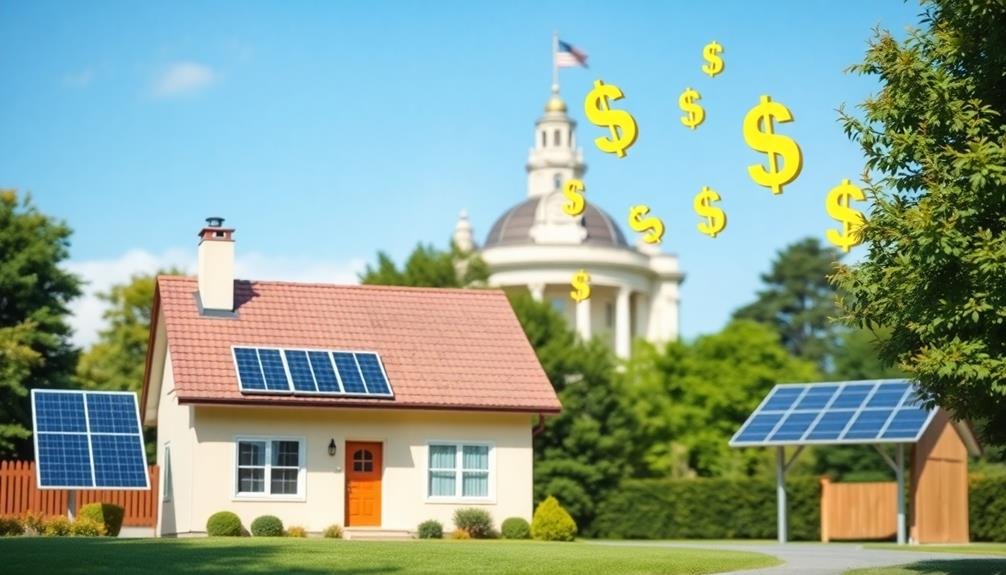
In addition to federal incentives, local government subsidies can greatly boost your savings when installing a micro-CHP system. These subsidies vary widely depending on your location, so it's vital to research what's available in your area. Many cities and counties offer cash rebates, property tax exemptions, or low-interest loans to encourage the adoption of energy-efficient technologies like micro-CHP.
You'll often find that local utilities partner with governments to provide additional incentives. These can include discounted rates for excess electricity you feed back into the grid or accelerated depreciation for commercial installations.
Some municipalities even offer expedited permitting processes or waived fees for micro-CHP installations, saving you time and money.
To maximize your benefits, check with your city's energy office, local utility company, and state energy department. They can provide up-to-date information on available subsidies and help you navigate the application process.
Rural Energy Assistance Programs
For rural homeowners, specific energy assistance programs can make micro-CHP systems more attainable. These programs, designed to address unique energy challenges in rural areas, often provide financial support and technical assistance for adopting innovative energy solutions like micro-CHP systems.
You'll find that rural energy assistance programs typically offer:
- Grants to offset initial installation costs
- Low-interest loans for system purchases
- Technical support and training
- Energy audits to determine system suitability
- Ongoing maintenance assistance
By taking advantage of these programs, you're not only reducing your energy costs but also contributing to rural energy independence. You'll be part of a growing movement towards sustainable, decentralized power generation in rural communities.
When exploring rural energy assistance options, don't forget to check with your state's energy office, the USDA Rural Development program, and local electric cooperatives. They often administer these programs and can guide you through the application process.
Green Building Incentives

Beyond rural-specific programs, you'll find that green building incentives can greatly enhance your ability to install a micro-CHP system. These incentives often come in the form of tax credits, rebates, and low-interest loans designed to promote energy-efficient home improvements.
Many states offer property tax exemptions for homes with renewable energy systems, including micro-CHP units. You'll also discover that some local governments provide expedited permitting processes and reduced fees for green building projects.
The federal government offers tax credits for energy-efficient home improvements, which can cover up to 30% of the cost of a micro-CHP system. You'll need to check the current regulations, as these incentives can change annually.
Additionally, some utility companies offer rebates for installing micro-CHP systems as part of their demand-side management programs. These can considerably reduce your upfront costs.
To maximize your benefits, you should research both state and local green building incentives. Many cities have sustainability offices that can guide you through available programs.
Don't forget to explore certifications like LEED or ENERGY STAR, which may reveal additional incentives and increase your home's value.
Frequently Asked Questions
How Long Does a Typical Micro-Chp System Last?
You can expect your typical micro-CHP system to last 10-20 years. With proper maintenance, it'll serve you well for over a decade. Remember, regular servicing and timely repairs will help extend its lifespan considerably.
Can Micro-Chp Systems Be Integrated With Existing Home Heating Systems?
Yes, you can integrate micro-CHP systems with your existing home heating setup. They're designed to work alongside traditional boilers or furnaces, enhancing efficiency. You'll need professional installation to guarantee proper integration and peak performance.
What Maintenance Is Required for a Residential Micro-Chp System?
You'll need to perform regular maintenance on your micro-CHP system. This includes annual professional inspections, cleaning or replacing filters, checking fuel lines, and monitoring performance. You should also keep the unit clean and follow manufacturer's guidelines for ideal operation.
Are There Any Noise Concerns Associated With Micro-Chp Systems?
You'll find that micro-CHP systems can produce some noise, similar to a home furnace. However, modern units are designed to be quiet. You'll want to take into account proper placement and insulation to minimize any potential disturbance.
How Does Micro-Chp Compare to Solar Panels in Terms of Efficiency?
You'll find that micro-CHP systems are generally more efficient than solar panels. They can convert up to 90% of fuel into usable energy, while solar panels typically convert 15-22% of sunlight. However, efficiency varies based on specific conditions.
In Summary
You've got numerous options to make micro-CHP systems more affordable for your home. From federal tax credits to local subsidies, there's likely a program that fits your needs. Don't forget to check with your utility company and explore state-specific incentives. With energy efficiency certifications and green building perks, you're not just saving money—you're contributing to a cleaner environment. Take advantage of these opportunities to power your home more efficiently and economically.