
Choosing the right thermal mass material for your home is essential for optimizing energy efficiency and comfort. Different materials like concrete, brick, water, and stone have varying abilities to absorb, store, and release heat. The ideal material depends on your climate, budget, and specific needs. High thermal mass materials can regulate indoor temperatures, reducing your reliance on heating and cooling systems. They absorb excess heat during warm periods and release it when temperatures drop, leading to significant energy savings over time. By understanding the properties of various thermal mass materials, you'll be better equipped to make an informed decision that enhances your living environment and reduces costs.
Understanding Thermal Mass Properties
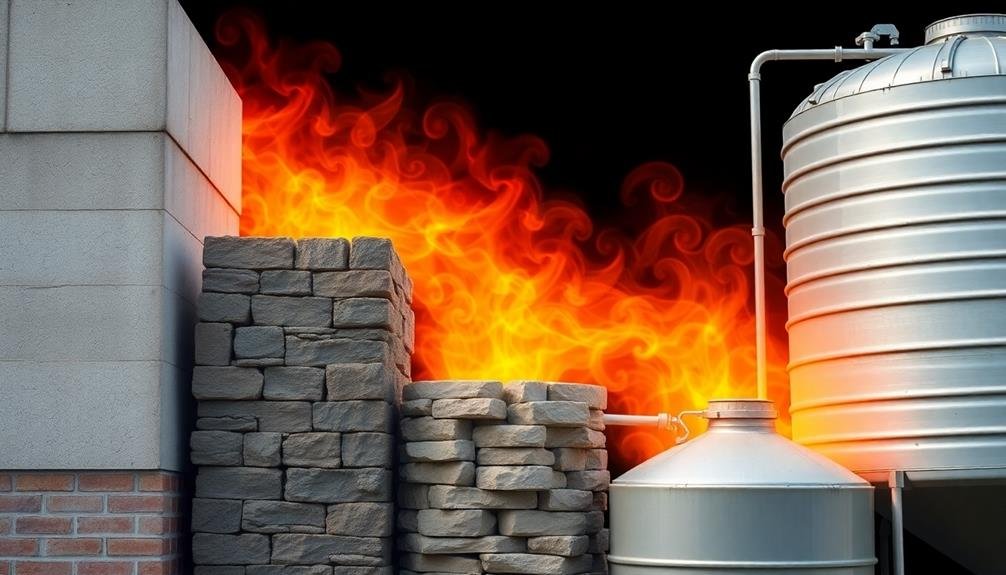
When considering thermal mass materials, it's crucial to grasp their fundamental properties. Thermal mass refers to a material's ability to absorb, store, and release heat.
You'll want to focus on three key properties: specific heat capacity, thermal conductivity, and density.
Specific heat capacity measures how much energy a material can store per unit mass. Materials with high specific heat capacity, like water, can absorb more heat before their temperature rises.
Thermal conductivity determines how quickly heat moves through a material. Low conductivity materials, such as concrete, are better at slowing heat transfer.
Density affects how much heat a material can store in a given volume.
The ideal thermal mass material combines these properties effectively. It should absorb heat slowly during the day, store it efficiently, and release it gradually at night. This helps regulate indoor temperatures, reducing heating and cooling costs.
Common thermal mass materials include concrete, brick, stone, and water. Each has unique characteristics that make it suitable for different applications.
Understanding these properties will help you choose the right thermal mass material for your specific needs and climate conditions.
Concrete: The Popular Choice
For decades, concrete has reigned as the go-to thermal mass material in construction. Its popularity stems from its high thermal mass properties, durability, and versatility. When you're considering concrete for your project, you'll find it excels at absorbing, storing, and releasing heat slowly over time.
Concrete's density and specific heat capacity make it an excellent choice for regulating indoor temperatures. You'll benefit from its ability to reduce temperature fluctuations, which can lead to lower energy costs and improved comfort. It's particularly effective in climates with significant temperature swings between day and night.
You can incorporate concrete into your design in various ways, such as floors, walls, or even decorative elements. Its versatility allows you to achieve both functional and aesthetic goals. Remember that concrete's effectiveness as a thermal mass depends on its thickness and exposure to heat sources.
While concrete offers numerous advantages, it's not without drawbacks. It's heavy, which may require additional structural support. It can also be costly to install and challenging to modify once in place.
Consider these factors when deciding if concrete is the right thermal mass material for your specific needs.
Brick: Traditional and Effective

Masons have long recognized brick as an excellent thermal mass material, and for good reason. Brick's high density and specific heat capacity make it an ideal choice for storing and releasing thermal energy. When you're considering brick for thermal mass, you'll find it offers several advantages over other materials.
Brick's ability to absorb heat slowly during the day and release it gradually at night helps maintain a stable indoor temperature. This characteristic can greatly reduce your heating and cooling costs. Additionally, brick's durability guarantees that it will continue to perform effectively for decades, making it a cost-effective long-term investment.
You'll also appreciate brick's versatility in design. It comes in various colors and textures, allowing you to achieve the aesthetic you desire while still benefiting from its thermal properties. Brick can be used in both interior and exterior applications, giving you flexibility in your thermal mass strategy.
However, it's essential to recognize that brick isn't as dense as concrete, so you may need a greater thickness to achieve the same thermal mass effect. Despite this, brick remains a popular choice for its traditional appeal and proven effectiveness in thermal regulation.
Water: Unparalleled Heat Capacity
While brick has its merits, water stands out as a thermal mass material with unmatched heat capacity. It can store and release heat more effectively than any other common material, making it an excellent choice for passive solar design and temperature regulation in buildings.
Water's thermal properties offer several advantages:
- High specific heat capacity: Water can absorb and store large amounts of heat without greatly changing its temperature.
- Efficient heat transfer: It can quickly distribute heat throughout a space due to convection currents.
- Versatility: You can use water in various forms, such as tanks, tubes, or even as part of decorative features like indoor fountains or ponds.
- Cost-effectiveness: Water is readily available and inexpensive compared to other thermal mass materials.
When incorporating water as thermal mass, you'll need to take into account proper containment to prevent leaks and potential damage. You can use sealed containers or integrate water features into your design.
Proper placement is essential to maximize its effectiveness in absorbing and releasing heat. Think about south-facing windows for best solar gain in colder climates, or use it as a heat sink in warmer regions to help cool your space.
Stone: Natural Thermal Regulator
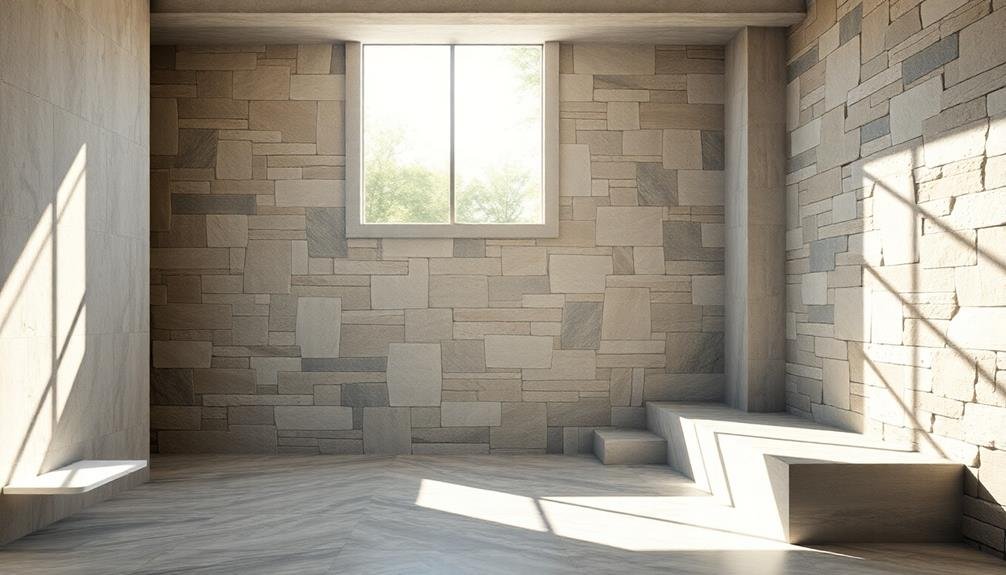
Stone has been a trusted thermal mass material for centuries, offering excellent heat retention and natural temperature regulation. When you're considering stone for thermal mass, you'll find it's an excellent choice for both indoor and outdoor applications.
Stone absorbs heat slowly during the day and releases it gradually at night, helping to maintain a stable temperature in your living space.
You'll find that different types of stone have varying thermal properties. Dense stones like granite, slate, and marble tend to perform better than lighter, more porous options. The thickness of the stone also plays an essential role in its effectiveness as thermal mass. Generally, a thickness of 4 to 6 inches is ideal for superior performance.
Stone's durability is another advantage, as it can withstand decades of temperature fluctuations without degrading.
You can incorporate stone thermal mass into your home through flooring, walls, or even decorative elements like fireplaces. When properly positioned to receive direct sunlight or radiant heat, stone can greatly reduce your heating and cooling costs while creating a more comfortable living environment.
Ceramic Tiles: Versatile Option
Ceramic tiles offer you a versatile thermal mass option with excellent heat retention properties.
You'll appreciate their durability and longevity, making them a cost-effective choice for long-term use.
With a wide range of colors, patterns, and textures available, ceramic tiles provide aesthetic appeal options to suit various interior design preferences.
Excellent Heat Retention Properties
Versatility shines through when considering ceramic tiles as a thermal mass material. Their excellent heat retention properties make them a standout choice for various applications.
You'll find that ceramic tiles can effectively absorb, store, and release heat, contributing to better temperature regulation in your living spaces.
When you opt for ceramic tiles as your thermal mass material, you're choosing a solution that offers:
- Slow heat release: Tiles gradually emit stored heat, providing consistent warmth over extended periods.
- Energy efficiency: By reducing the need for constant heating, you'll save on energy costs.
- Thermal stability: Ceramic tiles help maintain steady indoor temperatures, minimizing fluctuations.
- Durability: Their long-lasting nature guarantees continued thermal performance for years to come.
You'll appreciate how ceramic tiles can enhance your home's comfort level while also being aesthetically pleasing.
They're particularly effective in areas with significant temperature variations, as they can absorb excess heat during warm periods and release it when temperatures drop.
This natural temperature regulation can lead to a more comfortable living environment and reduced reliance on artificial heating and cooling systems.
Durability and Longevity
Longevity stands out as a key advantage when considering ceramic tiles for thermal mass. You'll find that these tiles can withstand years of use without significant degradation. Their durability extends beyond just wear and tear; they're resistant to moisture, chemicals, and temperature fluctuations.
When you choose ceramic tiles, you're investing in a material that won't warp, crack, or lose its thermal properties over time. This means you'll save on replacement costs and maintain consistent energy efficiency. The tiles' glazed surface also makes them easy to clean and maintain, ensuring they look good and perform well for decades.
Here's a comparison of ceramic tiles with other common thermal mass materials:
| Property | Ceramic Tiles | Concrete | Brick | Stone | Water |
|---|---|---|---|---|---|
| Lifespan (years) | 50+ | 50+ | 100+ | 100+ | N/A |
| Maintenance | Low | Medium | Low | Low | High |
| Moisture Resist. | High | Medium | Medium | High | N/A |
| Chem. Resistance | High | Medium | Low | Medium | N/A |
| Thermal Stability | High | High | High | High | Low |
Aesthetic Appeal Options
When considering aesthetic appeal, ceramic tiles stand out as a remarkably versatile option. They offer a wide range of colors, patterns, and textures to complement any interior design style.
You'll find that ceramic tiles can easily blend with modern, traditional, or eclectic décor, making them an excellent choice for various settings.
Ceramic tiles provide numerous aesthetic benefits:
- Customization: You can mix and match different tile sizes, shapes, and colors to create unique patterns or mosaics.
- Texture options: From smooth and glossy to textured and matte finishes, you'll have plenty of choices to achieve the desired look and feel.
- Imitation capabilities: Ceramic tiles can mimic the appearance of other materials like wood, stone, or concrete, offering the aesthetic appeal of these materials with the benefits of ceramic.
- Longevity of appearance: Unlike paint or wallpaper, ceramic tiles maintain their color and finish for years, ensuring your space looks fresh and attractive for longer.
Adobe: Earth-Based Thermal Solution
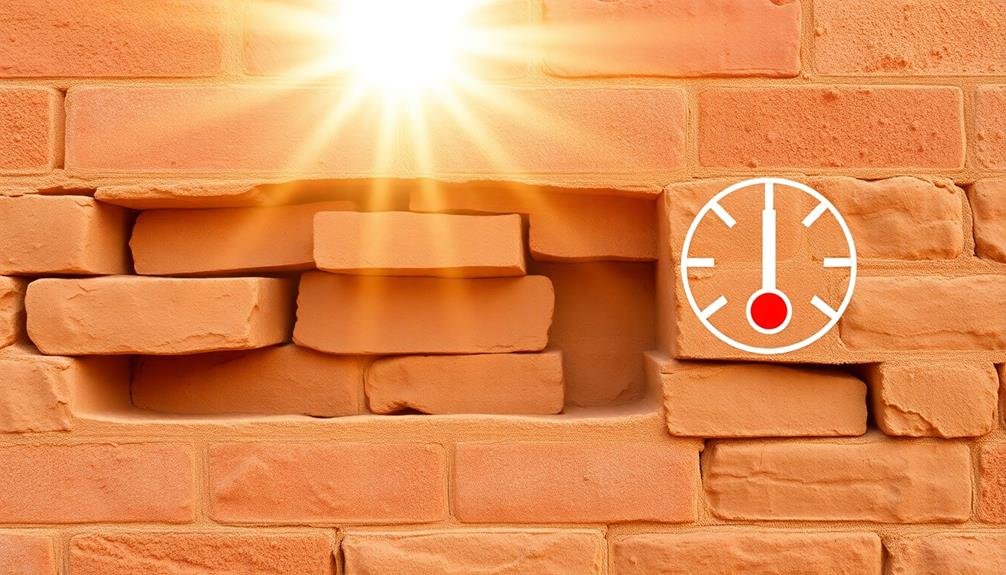
Adobe, an earth-based building material, offers exceptional thermal mass properties for your home.
You'll benefit from its excellent heat storage capacity, which helps maintain stable indoor temperatures throughout the day.
Additionally, adobe naturally regulates humidity and serves as an eco-friendly choice for environmentally conscious builders.
Excellent Heat Storage Capacity
Earth-based thermal solutions like adobe boast excellent heat storage capacity, making them ideal for passive solar design. When you choose adobe as a thermal mass material, you're harnessing its ability to absorb and store heat during the day, then release it slowly at night.
This natural temperature regulation can greatly reduce your heating and cooling needs, leading to lower energy costs and a more comfortable living environment.
Adobe's exceptional heat storage capacity is due to its density and specific heat properties. Here's how it works in a passive solar design:
- During sunny days, adobe walls absorb solar radiation
- The material stores this heat energy throughout its mass
- As indoor temperatures drop at night, the adobe slowly releases stored heat
- This process helps maintain a stable indoor temperature, reducing temperature swings
You'll find that adobe's thermal performance is particularly beneficial in climates with large daily temperature fluctuations.
Natural Humidity Regulation
Beyond its impressive heat storage capacity, adobe offers another notable advantage: natural humidity regulation. This earth-based material has a unique ability to absorb excess moisture from the air when humidity levels are high and release it when the air becomes dry. This natural process helps maintain a comfortable and healthy indoor environment.
You'll notice that adobe walls act like a sponge, continuously balancing the moisture content in your living space. During humid periods, the material absorbs water vapor, preventing that sticky, uncomfortable feeling often associated with high humidity. Conversely, when the air becomes too dry, adobe releases stored moisture, helping to alleviate issues like dry skin, static electricity, and respiratory discomfort.
This self-regulating feature can considerably reduce your reliance on mechanical humidifiers or dehumidifiers, potentially lowering your energy costs. Furthermore, the natural humidity control provided by adobe can help prevent the growth of mold and mildew, which thrive in environments with fluctuating moisture levels.
Eco-Friendly Building Material
One of the most notable advantages of choosing adobe as a thermal mass material is its eco-friendly nature. You'll find that adobe, composed primarily of earth, sand, and straw, is a sustainable and renewable resource. Unlike conventional building materials, adobe doesn't require energy-intensive manufacturing processes, considerably reducing its carbon footprint.
When you opt for adobe, you're selecting a material that's:
- Locally sourced, minimizing transportation emissions
- Non-toxic and free from harmful chemicals
- Biodegradable, leaving no lasting environmental impact
- Energy-efficient throughout its lifecycle
Adobe's thermal properties make it an excellent choice for passive solar design. It absorbs heat during the day and releases it slowly at night, helping to maintain a comfortable indoor temperature without relying heavily on artificial heating or cooling systems. This natural temperature regulation can lead to substantial energy savings over time.
Moreover, adobe structures can last for centuries with proper maintenance, reducing the need for frequent renovations or replacements.
Rammed Earth: Sustainable Alternative
Rammed earth has stepped into the spotlight as a sustainable alternative for thermal mass in construction. This ancient building technique involves compacting moistened subsoil into formwork to create solid walls. You'll find that rammed earth offers excellent thermal mass properties, helping regulate indoor temperatures naturally.
When you're considering rammed earth, you'll appreciate its low environmental impact. It's typically sourced on-site or nearby, reducing transportation costs and emissions. You won't need energy-intensive manufacturing processes, as it's created using simple mechanical compaction.
Rammed earth walls are also recyclable and biodegradable, minimizing waste at the end of a building's life.
You'll benefit from rammed earth's durability and longevity. These walls can last for centuries with proper maintenance, reducing the need for frequent replacements. They're also fire-resistant and provide good sound insulation.
However, you should be aware that rammed earth construction requires skilled labor and may not be suitable for all climates. It's crucial to consult with experts to determine if it's the right choice for your project, considering local building codes and environmental factors.
Phase Change Materials: Advanced Technology
Phase change materials (PCMs) offer cutting-edge thermal mass solutions for your building projects.
You'll find that PCMs can store and release large amounts of energy during their phase shift, typically from solid to liquid and back.
This unique property allows PCMs to regulate indoor temperatures more effectively than traditional thermal mass materials, potentially reducing your heating and cooling costs.
Energy Storage Capabilities
Advanced phase change materials (PCMs) have revolutionized thermal mass technology, offering exceptional energy storage capabilities.
These innovative materials can absorb, store, and release large amounts of thermal energy during their phase change process. This unique property allows PCMs to maintain a consistent temperature within a space, reducing the need for active heating or cooling systems.
When choosing PCMs for your thermal mass application, consider their energy storage capabilities carefully.
Here are four key factors to evaluate:
- Latent heat capacity: The amount of energy a PCM can store during phase change
- Phase change temperature: The temperature at which the material changes state
- Thermal conductivity: How efficiently the material transfers heat
- Cycling stability: The material's ability to maintain performance over multiple phase changes
PCMs' superior energy storage capabilities translate to significant benefits for your building or application.
You'll experience improved thermal comfort, reduced energy consumption, and lower operating costs.
By selecting the right PCM with ideal energy storage properties, you'll maximize the efficiency of your thermal mass system and create a more sustainable environment.
Remember to consult with experts to determine the most suitable PCM for your specific needs.
Temperature Regulation Benefits
The temperature regulation benefits of phase change materials (PCMs) are a game-changer for building comfort and energy efficiency. When you incorporate PCMs into your building's design, you're creating a dynamic thermal management system that can greatly reduce temperature fluctuations.
PCMs absorb excess heat during warm periods and release it when temperatures drop, effectively maintaining a more stable indoor environment. This process helps you reduce the load on your HVAC systems, leading to energy savings and improved occupant comfort. You'll notice fewer temperature swings throughout the day, creating a more consistent and pleasant living or working space.
| PCM Type | Melting Point (°C) | Applications |
|---|---|---|
| Organic | 20-35 | Residential |
| Inorganic | 30-45 | Commercial |
| Eutectic | 25-40 | Industrial |
Comparing Heat Storage Capacities
Delving into heat storage capacities reveals significant differences among thermal mass materials. You'll find that some materials excel at absorbing and retaining heat, while others fall short. Understanding these variations is essential when selecting the right thermal mass for your specific needs.
To compare heat storage capacities effectively, you'll want to take into account the following factors:
- Specific heat capacity: This measures how much energy is required to raise the temperature of a material by one degree.
- Density: Denser materials typically store more heat per unit volume.
- Thermal conductivity: This determines how quickly heat moves through the material.
- Volumetric heat capacity: A combination of specific heat and density, this indicates the overall heat storage potential.
Water stands out with its exceptionally high specific heat capacity, making it an excellent thermal mass material. Concrete and brick, while not as efficient as water, offer good heat storage and are commonly used in construction.
Stone, particularly granite, provides substantial thermal mass but can be more expensive. Metals like copper and aluminum have high thermal conductivity but lower specific heat capacities, making them less suitable for long-term heat storage.
Cost-Effectiveness of Different Materials
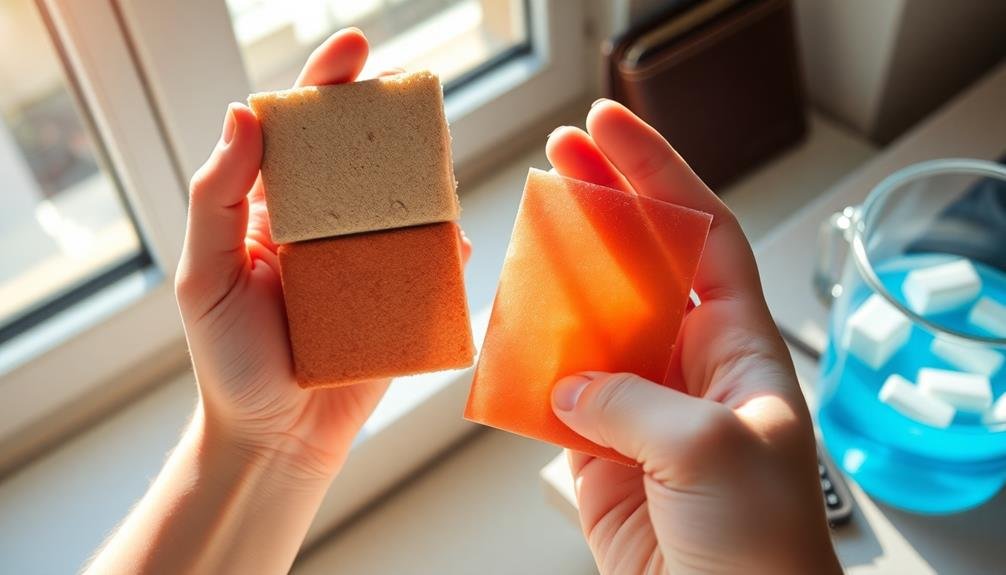
When evaluating thermal mass materials, cost-effectiveness plays a crucial role in decision-making. You'll want to take into account not only the initial purchase price but also long-term factors like durability, maintenance, and energy savings. Concrete, for example, is often cheaper upfront but may require more energy to heat and cool. On the other hand, water has excellent heat capacity but can be costly to contain properly.
To help you compare options, here's a table showcasing the cost-effectiveness of common thermal mass materials:
| Material | Initial Cost | Long-Term Value |
|---|---|---|
| Concrete | Low | Moderate |
| Water | Moderate | High |
| Brick | Moderate | High |
| Stone | High | Very High |
| PCM | Very High | Excellent |
As you can see, materials like stone and phase change materials (PCM) have higher upfront costs but offer excellent long-term value. You'll need to weigh these factors against your budget and specific needs. Don't forget to factor in installation costs and any necessary structural modifications. By carefully evaluating the cost-effectiveness of different thermal mass materials, you'll make a more informed decision that balances performance and affordability for your project.
Installation Considerations for DIY Projects
Enthusiasm for DIY projects shouldn't overshadow the importance of proper installation when it comes to thermal mass materials. You'll need to contemplate several factors to guarantee your project's success and maximize the thermal mass benefits.
First, assess your skill level honestly. Some materials, like concrete or brick, require specialized knowledge and tools. If you're not confident in your abilities, it's best to consult a professional.
Next, take into account the weight of your chosen material. Thermal mass materials are often heavy, so you'll need to verify your structure can support the additional load.
When planning your installation, keep these key steps in mind:
- Prepare the area thoroughly, ensuring a clean and level surface
- Use appropriate safety gear, including gloves, goggles, and dust masks
- Follow manufacturer guidelines for mixing and applying materials
- Allow sufficient curing time before exposing the thermal mass to heat or cold
Remember that proper insulation is essential for thermal mass effectiveness. Confirm you've adequately insulated the surrounding area to prevent heat loss.
Long-Term Energy Savings Analysis
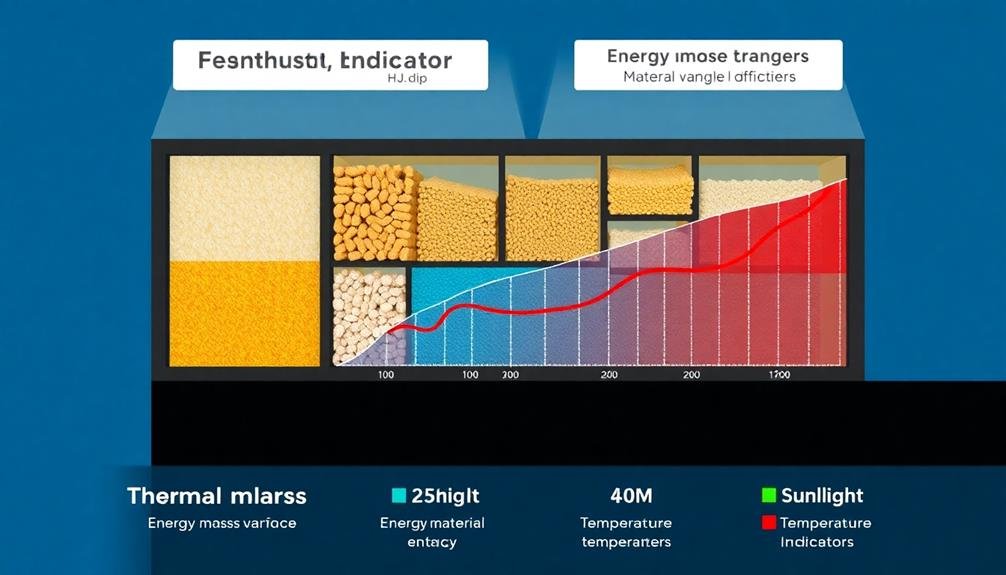
The cost-benefit equation of thermal mass materials extends far beyond initial installation expenses. When you're considering long-term energy savings, it's essential to analyze how different materials perform over time. You'll want to factor in aspects like durability, maintenance requirements, and overall energy efficiency improvements.
To accurately assess long-term savings, you should:
- Calculate your current energy consumption
- Estimate potential reductions with thermal mass
- Project savings over 10, 20, and 30-year periods
Consider the following comparison of common thermal mass materials:
| Material | Energy Savings (%) | Lifespan (years) |
|---|---|---|
| Concrete | 20-30 | 50+ |
| Water | 15-25 | 10-15 |
| Brick | 15-20 | 100+ |
Frequently Asked Questions
Can Thermal Mass Materials Be Effectively Used in All Climate Zones?
You can use thermal mass materials effectively in most climate zones, but their performance varies. They're most beneficial in areas with significant temperature swings. In extreme climates, you'll need to carefully consider placement and insulation for ideal results.
How Does Humidity Affect the Performance of Thermal Mass Materials?
Humidity impacts thermal mass performance considerably. In high humidity, you'll find materials absorb moisture, reducing their effectiveness. It's harder for them to release stored heat, potentially causing discomfort. Consider this when selecting thermal mass for your climate.
Are There Any Health Concerns Associated With Using Certain Thermal Mass Materials?
You should be aware that some thermal mass materials can pose health risks. Certain materials may emit harmful gases or particles, especially when heated. It's essential to research and choose safe options for your living space.
Can Thermal Mass Materials Be Combined for Enhanced Performance?
Yes, you can combine thermal mass materials for better performance. You'll often see combinations like concrete floors with stone walls or water tanks with brick surroundings. This strategy allows you to leverage the unique properties of different materials.
How Do Thermal Mass Materials Interact With Smart Home Technologies?
You can integrate thermal mass materials with smart home tech for ideal energy efficiency. They'll work with smart thermostats and sensors to regulate temperature, reduce HVAC usage, and improve overall comfort. You'll see significant savings on energy bills.
In Summary
You've explored various thermal mass materials, each with unique benefits. By choosing the right one for your project, you'll optimize energy efficiency and comfort in your space. Consider factors like heat storage capacity, cost, and installation ease. Whether you opt for concrete, brick, water, or stone, you're making a smart investment in long-term energy savings. Remember, the best choice depends on your specific needs and building conditions. Make an informed decision to reap the rewards.



Leave a Reply