
Water walls offer a natural, energy-efficient solution for cooling your home. They work by evaporating water, which absorbs heat and creates a revitalizing environment. You'll benefit from improved air quality, lower energy bills, and a soothing ambiance. To set up a water wall, you'll need a reservoir, pump, and porous surface. Place it strategically in your home for maximum effect. Regular maintenance, like checking water levels and cleaning filters, keeps it running smoothly. You can integrate water walls with existing HVAC systems for ideal cooling. With proper design and care, you'll transform your space into a cool, tranquil oasis.
Understanding Water Wall Cooling Systems

Three key components make up a water wall cooling system: a water reservoir, a pump, and a porous surface. The reservoir holds water that's continuously circulated by the pump to the top of the porous surface. As water trickles down this surface, it evaporates, cooling the surrounding air.
You'll find that water walls work on the principle of evaporative cooling. When water changes from liquid to gas, it absorbs heat from its environment, effectively lowering the air temperature. This process is most effective in hot, dry climates where evaporation occurs rapidly.
The porous surface of a water wall is vital. It's typically made of materials like ceramic, fabric, or specially designed plastics that allow water to spread evenly and maximize surface area for evaporation.
Some systems incorporate fans to enhance air circulation and cooling efficiency.
Water walls can be integrated into your home's architecture or added as standalone features. They're often designed to be aesthetically pleasing, doubling as decorative elements.
You'll need to take into account factors like water consumption, humidity levels, and maintenance when implementing a water wall cooling system in your home.
Benefits of Water Wall Cooling
You'll find that water wall cooling systems offer significant advantages for your home.
These systems provide energy-efficient temperature regulation, helping you maintain a comfortable environment while reducing your electricity costs.
Additionally, water walls can improve your indoor air quality by naturally filtering and humidifying the air as it passes through the flowing water.
Energy-Efficient Temperature Regulation
In the domain of eco-friendly home cooling solutions, water walls stand out as an energy-efficient marvel. They regulate indoor temperatures naturally, reducing your reliance on energy-intensive air conditioning systems. As water evaporates from the wall's surface, it absorbs heat from the surrounding air, creating a cooling effect that can lower room temperatures by several degrees.
You'll find that water walls require minimal energy input compared to traditional cooling methods. They often use small pumps to circulate water, consuming far less electricity than air conditioners. This efficiency translates to lower energy bills and a reduced carbon footprint.
Additionally, water walls can work in tandem with your existing cooling systems, allowing you to set your thermostat higher while maintaining comfort. The temperature regulation provided by water walls is consistent and gradual, avoiding the sudden temperature fluctuations common with conventional air conditioning.
This steady cooling creates a more comfortable living environment and can even help stabilize humidity levels. By implementing a water wall, you're not just cooling your home; you're embracing a sustainable, energy-efficient approach to temperature control that aligns with modern eco-conscious living.
Improved Indoor Air Quality
A rejuvenating change awaits those who install water walls in their homes. Beyond temperature regulation, these innovative cooling systems considerably improve your indoor air quality. As water cascades down the wall, it acts as a natural air purifier, trapping airborne particles and pollutants. You'll notice a reduction in dust, allergens, and other irritants that typically circulate in your home.
Water walls also increase humidity levels, which can be beneficial in dry climates or during winter months when indoor air tends to be parched. This added moisture helps prevent dry skin, irritated eyes, and respiratory discomfort.
Additionally, the constant flow of water generates negative ions, which are known to boost mood and energy levels while reducing stress. The gentle sound of flowing water creates a calming atmosphere, masking unwanted noise and promoting relaxation.
This white noise effect can improve your sleep quality and overall well-being. Furthermore, water walls can help neutralize odors, leaving your home smelling fresh and clean.
Designing Your Water Wall

Designing a water wall for your home kicks off with careful planning and consideration of several key factors. First, determine the wall's location, keeping in mind sun exposure, prevailing winds, and proximity to living spaces.
Next, choose materials that complement your home's architecture and withstand moisture. Consider using natural stone, copper, or stainless steel for durability and aesthetic appeal.
Size matters when it comes to water walls. Larger walls create a more dramatic effect but require more water and energy. Smaller designs can be equally effective in intimate spaces.
Don't forget to plan for proper drainage and water circulation systems to maintain cleanliness and prevent stagnation.
Incorporate these elements to create an enchanting water wall:
- LED lighting to illuminate the water's flow and create mesmerizing patterns
- Textured surfaces like river rocks or sculpted panels to enhance visual interest
- Adjustable water flow controls to vary the sound and appearance
Materials and Construction Process
To build your water wall, you'll need several key components including a sturdy frame, water-resistant panels, a pump, and plumbing fixtures.
Start by assembling the frame and attaching the panels to create a waterproof structure.
Once the basic structure is in place, you'll install the pump and plumbing system, ensuring proper water flow and circulation throughout your water wall.
Necessary Building Components
When constructing a water wall for home cooling, you'll need several key components to confirm its effectiveness and durability.
The foundation of your water wall system will be a sturdy frame, typically made of metal or treated wood, designed to withstand the weight and pressure of the water. You'll also need a waterproof membrane or liner to prevent leaks and protect the structure.
The water circulation system is essential, consisting of pumps, pipes, and filters to keep the water moving and clean. You'll want to choose energy-efficient pumps to minimize operating costs.
Don't forget to include a water reservoir at the base to collect and recirculate the water.
For the visible part of your water wall, you'll need:
- Decorative panels or screens (e.g., glass, stone, or metal) to create the desired aesthetic
- Water distribution system at the top to confirm even flow
- LED lighting fixtures for nighttime ambiance and visual appeal
Step-by-Step Assembly Guide
Now that you've gathered all the necessary components, let's walk through the step-by-step assembly process for your water wall.
Begin by preparing the frame. Cut your lumber to size and assemble it using screws or nails. Make certain it's sturdy and level.
Next, attach the waterproof backing to the frame, securing it tightly to prevent leaks.
Install the water pump at the base of the frame, making sure it's easily accessible for maintenance. Connect the tubing from the pump to the top of the frame, where water will be distributed.
Attach the water distribution system at the top of the frame. This can be a perforated pipe or a series of small nozzles. Secure it firmly to prevent shifting.
Now, install your chosen water-retaining material. This could be a series of stones, a textured panel, or fabric sheets. Make sure it's securely fastened to the frame.
Place the water reservoir at the base, aligning it with the pump. Fill it with water and add any desired water treatments.
Maintenance and Care Tips
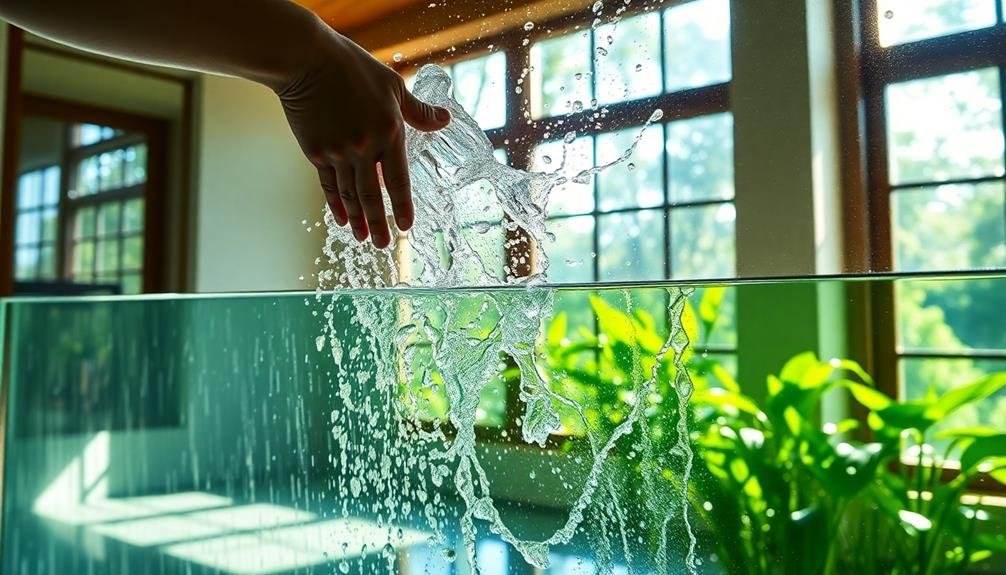
Proper maintenance and care are essential for keeping your water wall in prime condition. Regularly check the water level and top it up as needed to guarantee continuous operation. Clean the reservoir and pump every few weeks to prevent algae growth and mineral buildup. If you notice any unusual noises or reduced water flow, inspect the pump for clogs or damage.
To maintain peak performance, follow these steps:
- Drain and refill the water wall monthly, using distilled water to minimize mineral deposits.
- Wipe down the surface with a soft, damp cloth to remove dust and debris.
- Apply a non-abrasive, water-resistant sealant to the frame annually to protect against moisture damage.
During winter months or extended periods of non-use, drain the system completely and store the pump in a dry place. Before restarting, thoroughly clean all components and check for any signs of wear or damage.
If you live in an area with hard water, consider using a water softener or adding a small amount of vinegar to the reservoir to prevent scale buildup.
Energy Efficiency Considerations
While maintaining your water wall is important, it's equally essential to contemplate its energy efficiency. Water walls can appreciably reduce your cooling costs by naturally lowering indoor temperatures. They work by evaporative cooling, which requires less energy than traditional air conditioning systems.
To maximize energy efficiency, consider the placement of your water wall. Position it where it'll receive ample airflow and sunlight, but not direct afternoon sun. This placement allows for ideal evaporation without excessive heat gain.
You'll also want to use a pump with adjustable speeds, enabling you to control water flow based on cooling needs.
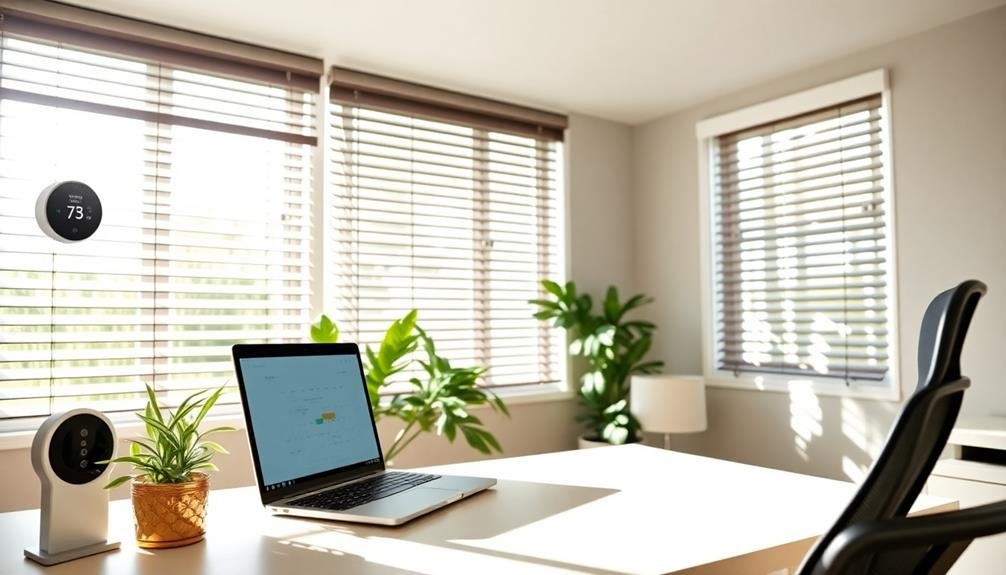
Integrate your water wall with other passive cooling methods for best results. Combine it with proper insulation, strategic window treatments, and ceiling fans to create a thorough cooling system. You can also connect it to a smart home system, automating operation based on temperature and humidity levels.
Don't forget about water conservation. Install a recirculation system to reuse water and minimize waste. Consider collecting rainwater to replenish your water wall, further reducing its environmental impact and operating costs.
Integrating With Existing HVAC Systems
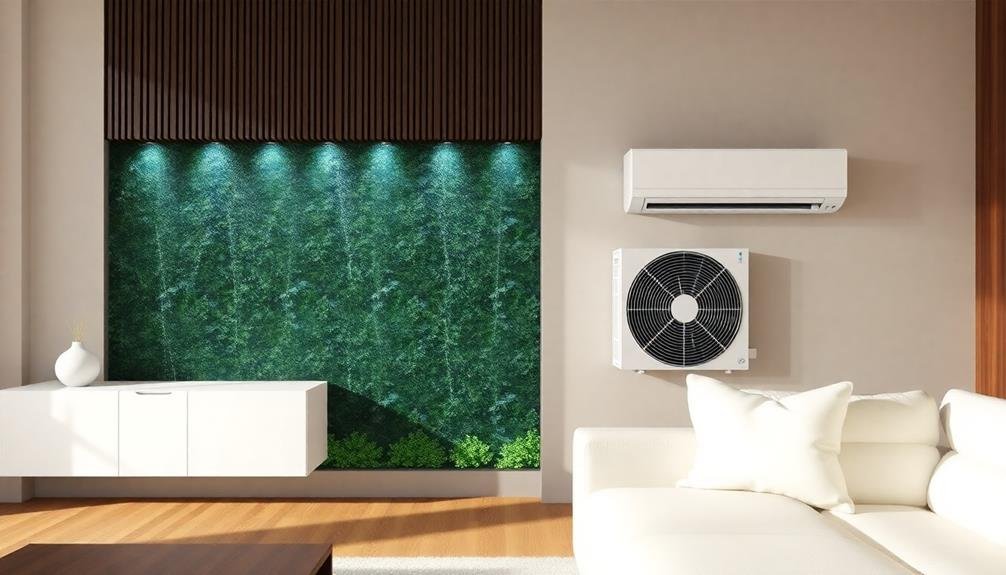
In conjunction with your existing HVAC system, a water wall can provide enhanced cooling and humidity control.
It's crucial to integrate the water wall seamlessly with your current setup to maximize efficiency and comfort. Start by consulting with an HVAC professional to assess your system's compatibility and determine the best placement for your water wall.
When integrating a water wall, you'll need to take into account:
- Air circulation patterns: Verify the water wall doesn't interfere with your HVAC system's airflow but rather complements it.
- Thermostat placement: Relocate or adjust your thermostat to account for the cooling effect of the water wall.
- Humidity control: Coordinate the water wall's operation with your HVAC system's dehumidification capabilities.
You can program your HVAC system to work in tandem with the water wall, reducing the load on your air conditioner during peak hours.
This integration allows you to maintain ideal indoor temperatures while minimizing energy consumption. Additionally, you'll want to install a separate control system for the water wall that communicates with your HVAC system, enabling automated adjustments based on indoor conditions and your preferences.
Cost Analysis and ROI
Many homeowners wonder about the financial implications of installing a water wall. The initial cost can range from $1,000 to $10,000, depending on the size and complexity of the system.
However, you'll need to take into account long-term savings to determine the true return on investment (ROI).
Water walls can considerably reduce your cooling costs, potentially lowering your energy bills by 20-30% annually. This translates to savings of $200-$600 per year for the average household.
You'll also benefit from improved air quality and increased property value, which can boost your ROI.
Maintenance costs are relatively low, typically around $100-$200 per year for cleaning and occasional repairs. The system's lifespan is usually 10-15 years, so you'll have ample time to recoup your investment.
To calculate your specific ROI, compare the total cost (installation plus maintenance) against your projected energy savings over the system's lifespan.
Factor in any tax incentives or rebates for eco-friendly home improvements. Most homeowners find that water walls pay for themselves within 5-7 years, making them a sound long-term investment in both comfort and energy efficiency.
Frequently Asked Questions
Can Water Walls Be Used in Humid Climates?
You can use water walls in humid climates, but they're less effective. They work best in dry areas where evaporation is faster. In humid environments, you'll need to contemplate alternative cooling methods or combine water walls with dehumidification.
Do Water Walls Attract Mosquitoes or Other Insects?
Water walls can attract mosquitoes and other insects if not properly maintained. You'll need to keep the water clean and moving to discourage breeding. Consider adding mosquito-repelling plants or using natural insecticides to minimize insect problems.
How Noisy Are Water Wall Cooling Systems?
You'll find water wall cooling systems are relatively quiet. They create a gentle, soothing sound similar to a small fountain. It's not disruptive, and many people find the soft trickling noise relaxing and pleasant.
Are There Any Health Risks Associated With Water Walls?
You shouldn't face significant health risks from water walls if they're properly maintained. However, you'll need to watch out for mold growth and stagnant water. Regular cleaning and water circulation are vital to prevent potential issues.
Can Water Walls Be Used in Rental Properties or Apartments?
You can use water walls in rentals or apartments, but you'll need your landlord's permission first. They're often portable and don't require permanent installation. Just make sure you're following lease agreements and local regulations before setting one up.
In Summary
You've now explored the potential of water wall cooling systems for your home. They offer a natural, energy-efficient solution that can seamlessly integrate with existing HVAC setups. While there's an initial investment, the long-term benefits in comfort and energy savings are compelling. With proper design, construction, and maintenance, you'll enjoy a cooler home and reduced energy bills. Consider if a water wall is right for you and take the plunge into eco-friendly cooling.

Leave a Reply