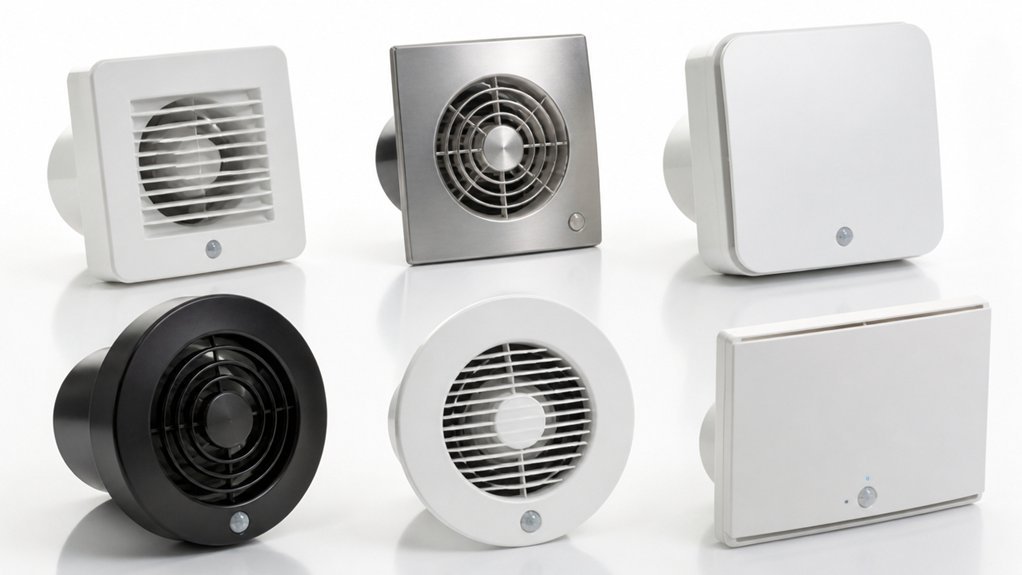
If you’re trying to keep your bathroom dry, quiet, and mold-free in 2027, the right exhaust fan can make a bigger difference than you might expect. Some models now sense humidity on their own, while others add lighting, higher airflow, or easier installs. The real question is which one fits your space and routine best, because the differences aren’t always obvious until you compare them side by side.
| Tech Drive Bathroom Fan with Humidity Sensor |  | Best for Small Baths | Airflow: 80 CFM | Noise Level: 1.5 sones | Humidity Sensor: 60% trigger | CHECK ON AMAZON | Read Our Analysis |
| VIVOHOME Bathroom Exhaust Fan with Humidity Sensor | 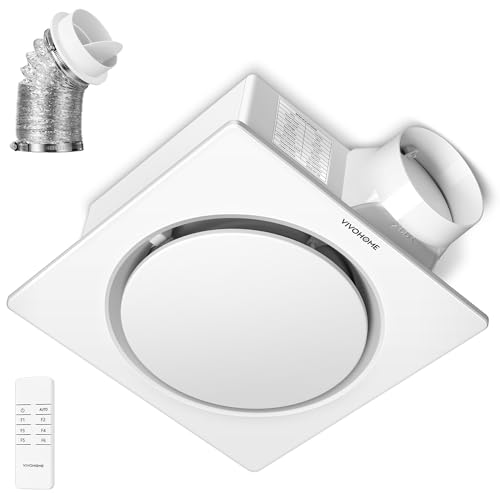 | Best Quiet Performer | Airflow: 110 CFM | Noise Level: 0.1 sone | Humidity Sensor: Auto-speed modes | CHECK ON AMAZON | Read Our Analysis |
| OREiN 3-in-1 Bathroom Exhaust Fan with Light |  | Best All-in-One | Airflow: 160 CFM | Noise Level: 1.0 sone | Humidity Sensor: 60% trigger | CHECK ON AMAZON | Read Our Analysis |
| AUPU Bathroom Exhaust Fan with Humidity Sensor |  | Best Smart Control | Airflow: 50/80/110 CFM | Noise Level: Not specified | Humidity Sensor: 80% default trigger | CHECK ON AMAZON | Read Our Analysis |
| Lightania Bathroom Exhaust Fan with Light & Sensor |  | Best with Lighting | Airflow: 130 CFM | Noise Level: 1.0 sone | Humidity Sensor: Adjustable threshold | CHECK ON AMAZON | Read Our Analysis |
| Delta BreezSlim SLM70H 13.1W Exhaust Bath Fan with Humidity Sensor |  | Best Retrofit Fit | Airflow: 70 CFM | Noise Level: 2.0 sones | Humidity Sensor: 60% trigger | CHECK ON AMAZON | Read Our Analysis |
More Details on Our Top Picks
Tech Drive Bathroom Fan with Humidity Sensor
Tech Drive’s humidity-sensing fan fits small baths that need quiet, automatic moisture control. You get 80 CFM, so it handles spaces up to 85 square feet without sounding loud at 1.5 sones. When humidity rises above 60%, it kicks on by itself and shows a green LED; if you want, you can switch to manual mode and keep it running with a red light. You can install it from the room side, and it replaces most standard fans. Its 25,000-hour motor, Energy Star rating, and UL/HVI certifications add confidence.
- Airflow:80 CFM
- Noise Level:1.5 sones
- Humidity Sensor:60% trigger
- Light:No light
- Duct Size:4-inch
- Certifications:Energy Star, UL, HVI
- Additional Feature:No attic access
- Additional Feature:Manual mode LED
- Additional Feature:Existing opening replacement
VIVOHOME Bathroom Exhaust Fan with Humidity Sensor
If you want a quiet fan that still clears steam fast, VIVOHOME’s humidity-sensing model fits the bill. You get a brushless EC motor that moves 110 CFM while using just 12.5W, so you cut energy use by about 50% versus standard AC motors. Its constant airflow tech adjusts for bends, dust, and static pressure, while auto modes of 50, 110, and 160 CFM react to humidity. Silent mode drops to 0.1 Sone, making it ideal for overnight use in bathrooms, laundry rooms, or toilets up to 129 square feet. Installation’s tool-free, and the kit includes everything.
- Airflow:110 CFM
- Noise Level:0.1 sone
- Humidity Sensor:Auto-speed modes
- Light:No light
- Duct Size:4-inch
- Certifications:Not specified
- Additional Feature:Brushless EC motor
- Additional Feature:Constant airflow technology
- Additional Feature:Remote six-speed control
OREiN 3-in-1 Bathroom Exhaust Fan with Light
OREiN’s 3-in-1 fan is ideal if you want one upgrade that handles airflow, lighting, and humidity automatically. You get 160 CFM of ventilation, so it clears steam and odors in bathrooms up to 160 sq. ft. without sounding intrusive at just 1.0 sone. The built-in humidity sensor kicks on when moisture rises above 60%, and the green LED shows it’s working. You also get a bright 1500-lumen light, three color temperatures, and a soft 2200K night light. It’s ENERGY STAR certified and backed by a 5-year warranty.
- Airflow:160 CFM
- Noise Level:1.0 sone
- Humidity Sensor:60% trigger
- Light:LED light + night light
- Duct Size:Not specified
- Certifications:Energy Star, HVI, ETL, FCC
- Additional Feature:2200K night light
- Additional Feature:Three CCT options
- Additional Feature:5-year warranty
AUPU Bathroom Exhaust Fan with Humidity Sensor
AUPU’s humidity-sensing fan is ideal when you want hands-free moisture control. You get HVI, Energy Star, UL, and FCC certifications, so you can trust its safety and efficiency. Its slim housing fits ceiling spaces easily, and the retractable bracket adjusts to joists from 14 to 22 inches. You can choose 50, 80, or 110 CFM, then set a 5- to 60-minute delay. The sensor kicks on at 80% RH by default, clears fog and odors, and stops moisture damage.
- Airflow:50/80/110 CFM
- Noise Level:Not specified
- Humidity Sensor:80% default trigger
- Light:No light
- Duct Size:4-inch adapter
- Certifications:HVI, Energy Star, UL, FCC
- Additional Feature:Retractable mounting bracket
- Additional Feature:Adjustable time delay
- Additional Feature:Three-speed selection
Lightania Bathroom Exhaust Fan with Light & Sensor
Lightania’s fan shines for bathrooms that need ventilation and lighting in one sleek fixture. You get 130 CFM of airflow and a quiet 1.0 sone sound level, so it clears moisture without disturbing your routine. Its pure copper motor and optimized impeller help remove odors fast, while the 4-inch duct fits standard setups. The smart humidity sensor kicks on automatically, and you can fine-tune threshold and delay with the manual knob. You’ll also enjoy an LED light with five color temperatures, dimming, easy mounting, ETL/FCC/Wet Rated certification, and a 5-year warranty.
- Airflow:130 CFM
- Noise Level:1.0 sone
- Humidity Sensor:Adjustable threshold
- Light:LED light
- Duct Size:4-inch
- Certifications:ETL, FCC, Wet Rated
- Additional Feature:5-color temperature range
- Additional Feature:Adjustable brightness control
- Additional Feature:Lifetime customer support
Delta BreezSlim SLM70H 13.1W Exhaust Bath Fan with Humidity Sensor
If you’re retrofitting an older bath fan, the Delta BreezSlim SLM70H fits neatly and runs quietly. You get a compact 7.5-by-7.25-inch housing that mounts on the ceiling or wall, so replacement jobs stay simple. Its brushless DC motor keeps power use low at 13.1 watts while moving 70 CFM at just 2.0 sones. The humidity sensor kicks on above 60% and shuts off when levels drop, so you don’t have to guess. Blue and amber LEDs show sensor and full-speed status, and Delta’s Breez design adds reliable, efficient ventilation.
- Airflow:70 CFM
- Noise Level:2.0 sones
- Humidity Sensor:60% trigger
- Light:No light
- Duct Size:Not specified
- Certifications:UL approved
- Additional Feature:Brushless DC motor
- Additional Feature:Blue amber indicators
- Additional Feature:Retrofit replacement fit
Factors to Consider When Choosing Bathroom Exhaust Fans With Humidity Sensors
When you choose a bathroom exhaust fan with a humidity sensor, start with airflow capacity so it can clear moisture fast enough for your space. You’ll also want to check the noise level, humidity settings, installation fit, and energy efficiency to make sure the fan works well and suits your bathroom.
Airflow Capacity
Airflow capacity, measured in cubic feet per minute (CFM), tells you how much air a bathroom exhaust fan can move, so it’s one of the most important specs to check when you choose a model with a humidity sensor. You should match CFM to your bathroom’s size: about 50 CFM works for a small room, while larger spaces may need 160 CFM or more. If you deal with heavy moisture, a higher-CFM fan can clear humid air faster and help prevent mold and mildew. Look for humidity sensor models with variable or multiple CFM settings, since they can adjust airflow automatically as conditions change. Choosing the right capacity also helps you save energy, because you won’t oversize a fan for a tiny bathroom or underpower a big one.
Noise Level
Noise level matters just as much as airflow, especially if you want your bathroom fan to run without disrupting sleep or daily routines. You should look for sone ratings, because lower numbers mean quieter operation. Fans in the 0.1 to 1.5 sone range feel very quiet to quiet, and an ultra-quiet model at 1.0 sone or less can run in the background with minimal distraction. If you want a more peaceful bathroom, choose a fan with a brushless motor, since it usually runs quieter than a traditional AC motor. Also, check whether the fan uses constant airflow technology, because duct bends or blockages can raise noise when airflow changes. A quieter fan makes your space more comfortable while still controlling humidity effectively.
Humidity Settings
Beyond quiet operation, humidity settings are what make a sensor fan truly smart. You should look for a trigger point around 60% relative humidity, since that level usually balances moisture removal with energy savings. If your bathroom runs steamy, choose a model with adjustable settings so you can fine-tune activation to your room size and shower habits. Some advanced fans also change speeds as humidity rises, giving you stronger airflow only when you need it. A built-in time delay helps the fan keep working after the air dries, which finishes the job and limits lingering dampness. When the settings are calibrated well, you avoid over-ventilation, cut wasted electricity, and still protect your walls, paint, and indoor air quality from moisture damage.
Installation Fit
Before you buy a bathroom exhaust fan with a humidity sensor, make sure the fit works with your space. Check the ceiling opening first, then compare it with the fan housing dimensions so you don’t need to cut or patch drywall. Measure the housing height and the ceiling depth too, especially if you’re replacing an old unit, because tight clearances can complicate installation. Decide whether you can install the fan entirely from the room side or if you’ll need attic access, since that affects how easily you can complete the job. Also confirm duct compatibility, usually with a 4-inch duct, so it connects to your existing ventilation setup. Finally, look for adjustable or retractable mounting brackets that match your joist spacing and help secure the fan.
Energy Efficiency
When you’re comparing bathroom exhaust fans with humidity sensors, energy efficiency should be a top priority. You’ll save more over time if you choose a model with a brushless DC or EC motor, since these use far less power than standard AC motors. Look for Energy Star certification, which shows the fan meets strict efficiency standards without sacrificing performance. Variable-speed or auto-adjusting airflow helps you cut energy use because the fan can slow down when conditions are mild. Check the airflow-to-watt ratio too; a higher CFM per watt means better ventilation for less electricity. Finally, pick a fan with automatic humidity sensing, so it only runs when moisture rises. That way, you avoid unnecessary operation and keep your energy bills lower.
Certifications And Safety
For a bathroom exhaust fan with a humidity sensor, certifications give you confidence that the unit is safe, efficient, and performs as advertised. You should look for UL, ETL, FCC, HVI, and Energy Star marks, since they show the fan meets recognized safety, performance, and efficiency standards. HVI certification matters because it verifies airflow and noise ratings under real-world conditions, so you know the fan won’t overpromise. Energy Star qualification also helps you cut electricity use without sacrificing ventilation. If you plan to install the fan over a bathtub or shower, make sure it’s on a GFCI-protected circuit. Finally, follow the wiring instructions exactly; the wrong connection can damage the unit and create safety risks.
Frequently Asked Questions
How Noisy Are Humidity-Sensing Bathroom Fans During Nighttime Use?
They’re usually quiet, around 0.3 to 1.5 sones, so you won’t wake easily. If you choose a premium model, it’ll sound softer at night, and you can still keep moisture under control.
Can These Fans Be Installed in a Shower Ceiling Directly?
Usually, you can’t install them directly over a shower unless the fan’s rated for wet locations and local codes allow it. You’ll need proper clearance, GFCI protection, and a qualified electrician to verify compliance.
Do Humidity Sensors Work Accurately in Very Large Bathrooms?
Not always. You’ll get decent accuracy in large bathrooms if you place the sensor well, but steam can stratify and delay readings. You can improve performance by choosing a larger-capacity fan and adjusting sensitivity settings.
How Often Should the Humidity Sensor Be Cleaned or Calibrated?
You should clean it every 6 to 12 months and calibrate it yearly if needed. Dust and soap residue can skew readings, so wipe the sensor gently and test it against known humidity levels.
Are These Fans Compatible With Smart Home Systems?
Yes, many are compatible with smart home systems, especially Wi‑Fi or Matter models. You can control them through apps, voice assistants, or routines. Check each fan’s specs, because some need separate hubs or switches.