Choosing the right carbon monoxide detector for every floor can make a real difference in how quickly you catch a hidden threat. You’ll want models that balance reliable sensors, clear alerts, and flexible power options for bedrooms, basements, and living spaces. Some stand out for simple setup, while others add digital displays or multi-unit coverage. The best choice isn’t always the most obvious one, and a few details can change everything.
| Kidde Carbon Monoxide Detector with Battery Backup |  | Best Plug-In | Power Source: Plug-in AC, AA backup | Alarm Type: 85 dB audible | Sensor Type: CO sensor | CHECK ON AMAZON | Read Our Analysis |
| First Alert Plug in Carbon Monoxide Alarm | CO606 9V Battery Backup |  | Best Basic | Power Source: Plug-in AC, 9V backup | Alarm Type: 85 dB audible | Sensor Type: Electrochemical sensor | CHECK ON AMAZON | Read Our Analysis |
| Siterlink Plug-in Carbon Monoxide Detector 10-Year Battery |  | Best Travel | Power Source: Plug-in AC, 10-year backup | Alarm Type: Audible alarm | Sensor Type: Electrochemical sensor | CHECK ON AMAZON | Read Our Analysis |
| SITERWELL Plug-In Carbon Monoxide Detector 4-Pack |  | Best 4-Pack | Power Source: AC powered, 10-year backup | Alarm Type: 85 dB audible | Sensor Type: Electrochemical sensor | CHECK ON AMAZON | Read Our Analysis |
| TOPTES CT-580 Portable Carbon Monoxide Detector |  | Best Portable | Power Source: USB-C rechargeable | Alarm Type: Audible, light, vibration | Sensor Type: DDS sensor | CHECK ON AMAZON | Read Our Analysis |
| X-Sense Smoke and CO Detector 5-Pack (SC01) |  | Best Combo | Power Source: 10-year battery | Alarm Type: 85 dB audible | Sensor Type: Photoelectric/electrochemical | CHECK ON AMAZON | Read Our Analysis |
| First Alert Carbon Monoxide Alarm with Digital Display (CO710) | 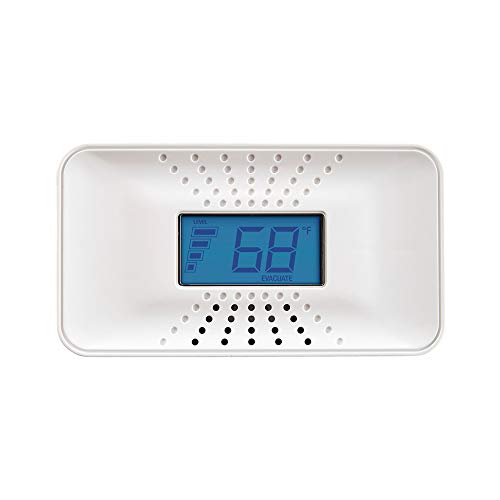 | Best Display | Power Source: 10-year battery | Alarm Type: 85 dB audible | Sensor Type: CO sensor | CHECK ON AMAZON | Read Our Analysis |
More Details on Our Top Picks
Kidde Carbon Monoxide Detector with Battery Backup
If you want the best plug-in CO detector, Kidde fits renters and homeowners alike. You get continuous carbon monoxide monitoring with a loud 85 dB alarm, so you can act fast if danger appears. The LED warning light shows hazards clearly, and the Test/Hush button lets you check function without hassle. You won’t deal with nighttime chirps, either. Plug it into any 120V outlet, and the rotating plug helps in tight spots. If power fails, the two AA backup batteries keep it running. It’s compact, travel-friendly, UL 2034 listed, ETL listed, and backed by a 10-year warranty.
- Power Source:Plug-in AC, AA backup
- Alarm Type:85 dB audible
- Sensor Type:CO sensor
- Display:LED indicator
- Portability:Compact, lightweight
- Warranty/Lifespan:10-year warranty
- Additional Feature:Rotating plug design
- Additional Feature:No nighttime chirps
- Additional Feature:Power surge immunity
First Alert Plug in Carbon Monoxide Alarm | CO606 9V Battery Backup
First Alert’s CO606 is a solid pick for renters and homeowners who want simple plug-in protection. You can plug it into any standard outlet, then rely on the 9V battery backup if power goes out. Its electrochemical sensor helps detect carbon monoxide accurately, and the 85-decibel alarm gets your attention fast. You’ll find value in the single test/silence button, low-battery mute, and end-of-life chirp. For full coverage, install one on each floor and inside every bedroom. It’s UL tested and includes a 7-year limited warranty, so you get dependable, long-term peace of mind.
- Power Source:Plug-in AC, 9V backup
- Alarm Type:85 dB audible
- Sensor Type:Electrochemical sensor
- Display:No display
- Portability:Compact
- Warranty/Lifespan:7-year warranty
- Additional Feature:Low battery mute
- Additional Feature:End-of-life signal
- Additional Feature:Bedroom placement recommended
Siterlink Plug-in Carbon Monoxide Detector 10-Year Battery
Siterlink’s plug-in carbon monoxide detector suits travelers who want reliable protection anywhere they plug in. You get continuous AC power plus a built-in 10-year battery backup, so it keeps working during outages. Its electrochemical sensor detects carbon monoxide accurately and helps reduce false alarms. The foldable plug makes packing easy, and its compact size fits hotels or homes. You can check operation at a glance with the steady green LED, while the sleep-friendly breathing light won’t disturb you. Setup is simple: just plug it in and stay protected.
- Power Source:Plug-in AC, 10-year backup
- Alarm Type:Audible alarm
- Sensor Type:Electrochemical sensor
- Display:Green status light
- Portability:Foldable plug
- Warranty/Lifespan:10-year battery backup
- Additional Feature:Foldable plug design
- Additional Feature:Breathing rhythm light
- Additional Feature:Quick plug-and-play
SITERWELL Plug-In Carbon Monoxide Detector 4-Pack
For households wanting broad CO coverage, this 4-pack gives you plug-in protection across multiple rooms. You’ll get an advanced electrochemical sensor that detects carbon monoxide from fireplaces, gas appliances, boilers, heaters, clogged chimneys, and even running vehicles. If levels climb, it sounds an alarm louder than 85 decibels, so you won’t miss it. The AC-powered design includes a 10-year backup battery for outages, while the breathing light stays subtle at night. Green, yellow, and red indicators make status easy to read, and the compact units travel easily. SITERWELL also backs you with round-the-clock technical support.
- Power Source:AC powered, 10-year backup
- Alarm Type:85 dB audible
- Sensor Type:Electrochemical sensor
- Display:Light indicators
- Portability:Compact, portable
- Warranty/Lifespan:10-year backup battery
- Additional Feature:Gentle breathing light
- Additional Feature:One-touch silence
- Additional Feature:Four-pack value
TOPTES CT-580 Portable Carbon Monoxide Detector
Quick-response protection makes the TOPTES CT-580 a smart pick if you need a compact, portable CO detector. You get a high-sensitivity DDS sensor that reacts in just 0.3 seconds and tracks CO from 0 to 1000 PPM. Two alarm thresholds help you judge risk fast. The detector alerts you with a light, sound, and vibration, so you won’t miss a warning. Its TFT color display, adjustable brightness, auto screen-off, flashlight, and USB-C charging make daily use easy. Built from durable ABS, it’s ready for personal or professional use.
- Power Source:USB-C rechargeable
- Alarm Type:Audible, light, vibration
- Sensor Type:DDS sensor
- Display:TFT color display
- Portability:Portable
- Warranty/Lifespan:Durable build
- Additional Feature:0.3-second response
- Additional Feature:Vibration alarm mode
- Additional Feature:Built-in flashlight
X-Sense Smoke and CO Detector 5-Pack (SC01)
X-Sense’s SC01 5-pack is a smart combo pick if you want smoke and CO protection in one simple setup. You get 2-in-1 coverage with photoelectric and electrochemical sensors, plus UL 217, UL 2034, and ETL certification for peace of mind. The sealed 10-year lithium battery means you won’t swap batteries, and the LCD shows CO and battery status in real time. You can mount each unit on the wall or ceiling in minutes with the included hardware. Just note it’s a standalone model, so it won’t link wirelessly; choose the SC01-W for that.
- Power Source:10-year battery
- Alarm Type:85 dB audible
- Sensor Type:Photoelectric/electrochemical
- Display:LCD display
- Portability:Wall/ceiling mountable
- Warranty/Lifespan:10-year battery
- Additional Feature:2-in-1 protection
- Additional Feature:Mountable on wall
- Additional Feature:No rewiring required
First Alert Carbon Monoxide Alarm with Digital Display (CO710)
If you want a carbon monoxide detector with a clear readout, the First Alert CO710 stands out. You get a backlit digital LED display that shows both temperature and CO levels, so you can check conditions at a glance. Its built-in 10-year battery keeps it running without replacement hassles for the full lifespan. When carbon monoxide reaches unsafe levels, the 85-decibel alarm sounds loudly to warn you fast. The stylish white design fits nicely on a dresser or table, making it practical for home use. It’s a solid choice from First Alert and BRK Brands, Inc.
- Power Source:10-year battery
- Alarm Type:85 dB audible
- Sensor Type:CO sensor
- Display:Digital LED display
- Portability:Tabletop
- Warranty/Lifespan:10-year battery
- Additional Feature:Backlit LED display
- Additional Feature:Temperature readout
- Additional Feature:Tabletop placement
Factors to Consider When Choosing Carbon Monoxide Detectors for Every Floor
When you choose carbon monoxide detectors for every floor, look at power source options and how long the battery backup lasts. You’ll also want a loud alarm, the right sensor detection type, and smart placement on each level. These factors help you cover your home more reliably and respond fast if CO is present.
Power Source Options
Power source matters because it affects where and how you can place carbon monoxide detectors on every floor. If you want simple installation near an outlet, an AC plug-in model gives you continuous operation as long as power stays on. If you need more placement freedom, battery-powered detectors let you mount units where outlets aren’t available, and you can move them more easily. Some battery models use long-life cells that last up to 10 years, while others use replaceable batteries. For the most dependable coverage, choose a detector with dual power: AC power plus battery backup. That way, you keep monitoring active even if the main supply fails. Matching the power source to each floor helps you balance convenience, flexibility, and reliable protection.
Battery Backup Duration
Battery backup duration determines how long your carbon monoxide detectors keep working during an outage, so it’s a key factor for every floor. You should look for models that keep monitoring even when power drops, because uninterrupted detection protects you day and night. Basic units may use AA or 9V batteries, while others use sealed lithium cells that can last up to 10 years. Longer-lasting backups mean fewer replacements and less upkeep, and some detectors include batteries that last the device’s full lifespan. That kind of design gives you maintenance-free protection and steady CO coverage. Reliable backup power also helps prevent malfunctions tied to unstable electricity, so your detector stays dependable when you need it most.
Alarm Loudness Level
How loud should your carbon monoxide detector be? You’ll want an alarm that reaches at least 85 decibels, because that level cuts through music, appliances, and other background noise. On every floor, that volume helps you notice danger quickly, whether you’re in the basement, kitchen, or upstairs bedroom. It also needs to wake you while you’re sleeping, so you can leave the home fast if carbon monoxide is present at night. Consistent loudness matters, since a weaker signal can be missed when you’re distracted or far away. Look for detectors that keep nuisance chirps separate from real alarms, so the loud warning is reserved for urgent exposure. That way, you get clear, dependable notice when it counts most.
Sensor Detection Type
When you’re choosing a carbon monoxide detector for every floor, sensor type matters a lot. You’ll usually want an electrochemical sensor because it’s the most common and reliable option for carbon monoxide, with strong accuracy and quick response. If you want fewer nuisance alerts, look for advanced sensor technology that can tell real carbon monoxide from harmless gases. Sensitivity also counts: some detectors catch low-level exposure early, giving you more warning before concentrations rise. You should also check for calibration support or end-of-life signals, since both help keep detection accurate over time. If you want one device to cover more than one hazard, dual-sensor models combine smoke and carbon monoxide sensing with separate technologies designed for each threat.
Placement Per Floor
For full protection, you should install at least one carbon monoxide detector on every floor of your home, including basements and attics. Put one near bedrooms so you’ll hear alarms when you’re asleep, and add others in hallways or living rooms where carbon monoxide can build up from appliances. Keep detectors away from furnaces, water heaters, fireplaces, and vents, since close placement can trigger false alarms from normal exhaust. Mount each unit at eye level or follow the manufacturer’s instructions so the sensor works properly and you can check it easily. If your home has multiple levels, treat each floor as a separate risk zone and cover every area where people spend time. This approach gives you faster alerts and broader protection throughout the house.
Digital Display Readability
A clear, backlit digital display makes a carbon monoxide detector much easier to use on every floor, because it lets you quickly see real-time CO levels and ambient temperature at a glance. Choose a screen with adjustable brightness or auto-dimming so it stays readable without lighting up your bedroom at night. Large, high-contrast digits help you read the display from across the room and support anyone with weaker vision. Numeric CO readings give you more precise information than simple warning lights, so you can judge conditions faster. Look for displays that also show battery status and alarm alerts, since those extra indicators help you confirm the detector’s condition at a glance. When you can read every detail easily, you’ll monitor safety with less guesswork.
Portability For Travel
Travel-friendly carbon monoxide detectors should be compact and lightweight, so you can pack them easily for trips, temporary stays, or moving between floors. You’ll value a slim design that slips into a suitcase, backpack, or storage bin without adding bulk. Foldable or rotating plugs make packing easier, since they won’t snag or waste space. Battery backup or built-in long-life batteries keep the detector working when you don’t have dependable power, which is especially useful in rentals, hotels, or cabins. Look for plug-and-play models, too, because you shouldn’t have to deal with complicated setup when you arrive. If you’re using one overnight, choose a unit with sleep-friendly indicator lights or silent mode so it won’t disturb you while you rest.
Safety Certifications
When you’re choosing carbon monoxide detectors for every floor, safety certifications should be near the top of your checklist. Look for UL 2034 or ETL Listing, because these marks show the detector meets recognized performance and reliability standards. Certified units go through rigorous testing to verify they detect dangerous carbon monoxide accurately and alarm on time. They’re also built to handle power outages, surges, and environmental changes more effectively, so you can trust them in real-world conditions. Certifications help reduce false alarms without sacrificing sensitivity to hazardous CO levels. They can also support compliance with residential safety requirements. When you buy a certified detector, you’re protecting your household and giving everyone on every floor greater peace of mind.
Frequently Asked Questions
How Often Should Carbon Monoxide Detectors Be Replaced?
You should replace carbon monoxide detectors every 5 to 7 years, or sooner if the manufacturer says so. Check the date on yours, test it monthly, and replace batteries as needed.
Where Should CO Detectors Be Installed on Each Floor?
Install your CO detectors outside every sleeping area, near bedrooms, and on each floor, including the basement and attic if finished. You should mount them at recommended height, away from vents, windows, and appliances.
Can One Detector Protect an Entire Multi-Story Home?
No, one detector can’t protect an entire multi-story home. You’ll need detectors on every level and near sleeping areas, because carbon monoxide can spread unevenly and your family may not hear warnings upstairs.
Do Carbon Monoxide Detectors Need Professional Installation?
No, you usually don’t need professional installation. You can mount most carbon monoxide detectors yourself with basic tools, but you should follow the manufacturer’s instructions carefully and test them after installation.
What Alarms Indicate Dangerous Carbon Monoxide Levels?
High CO alarms signal danger; many detectors warn at 70 ppm, with faster alarms at higher levels. You should evacuate immediately, call emergency services, and don’t reenter until responders say it’s safe.