
The 7 best thermal mass materials for home temperature control are concrete, brick, stone, water, adobe, rammed earth, and phase change materials. These materials absorb and store heat, helping to regulate indoor temperatures and reduce energy costs. Concrete and brick are durable options with excellent heat retention. Stone offers versatility and aesthetic appeal. Water has a high heat capacity, making it ideal for radiant heating systems. Adobe and rammed earth provide eco-friendly alternatives with superior insulation properties. Phase change materials offer innovative temperature regulation. By incorporating these materials into your home design, you'll create a more comfortable and energy-efficient living space. Explore each option to discover which suits your needs best.
Concrete
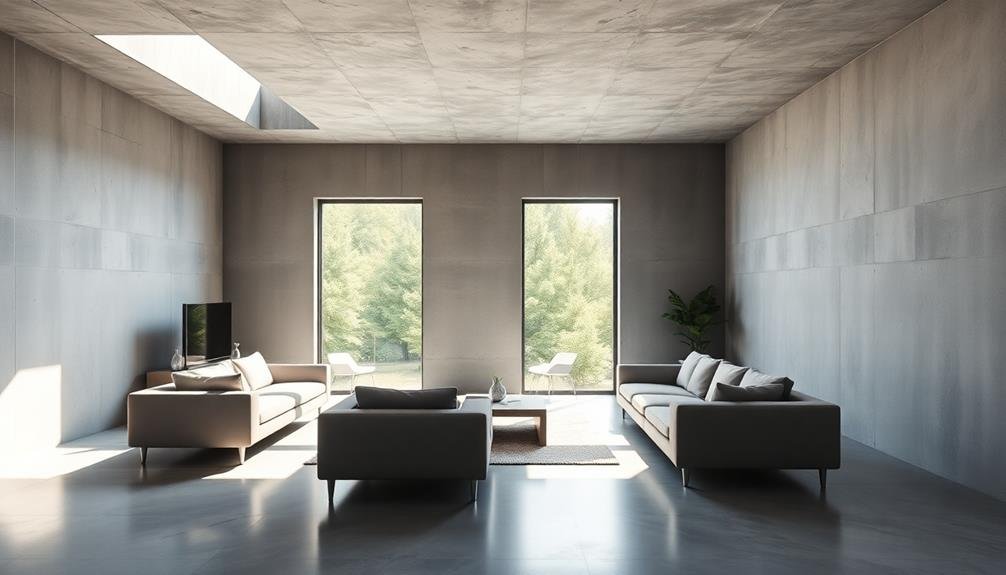
Concrete stands out as a top choice for thermal mass in home temperature control. Its high density and specific heat capacity allow it to absorb and store large amounts of heat energy, which it releases slowly over time. This property helps maintain stable indoor temperatures, reducing the need for constant heating or cooling.
You'll find concrete's thermal mass benefits in various home applications. Concrete floors, especially those with radiant heating systems, can efficiently absorb heat during the day and release it at night. Concrete walls, both interior and exterior, serve as excellent thermal regulators, minimizing temperature fluctuations.
To maximize concrete's thermal mass potential, consider exposing it to direct sunlight or using it in conjunction with passive solar design principles. You can also enhance its effectiveness by incorporating insulation on the exterior side of concrete walls.
While concrete's initial cost may be higher than some alternatives, its durability and energy-saving properties often result in long-term cost benefits. Additionally, you can improve its aesthetic appeal through various finishing techniques like polishing, staining, or stamping, making it a versatile choice for both functional and design-conscious homeowners.
Brick
Another excellent thermal mass material for home temperature control is brick. Brick has been used for centuries in construction due to its durability and thermal properties. When incorporated into your home's design, brick can effectively absorb and store heat during the day, releasing it slowly at night to maintain a comfortable indoor temperature.
Brick's thermal mass properties make it particularly useful in areas with significant temperature fluctuations. You'll find that brick walls can help reduce your reliance on heating and cooling systems, potentially lowering your energy bills. Additionally, brick's fire resistance and low maintenance requirements make it an attractive option for homeowners.
To maximize brick's thermal mass benefits in your home, consider:
- Using exposed brick walls in south-facing rooms to capture and store solar heat
- Incorporating brick flooring in areas that receive direct sunlight
- Building interior brick walls to increase overall thermal mass
While brick may have a higher upfront cost compared to some other materials, its long-term energy-saving potential and durability can make it a worthwhile investment.
Stone
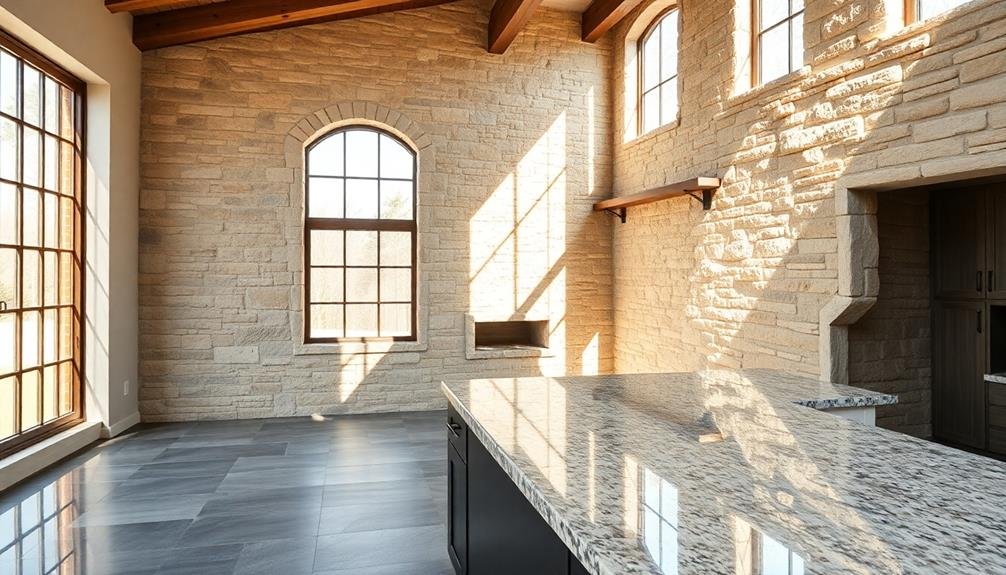
Stone stands out as an excellent thermal mass material due to its high thermal storage capacity.
You'll find stone versatile for interior applications, from flooring to accent walls, helping regulate your home's temperature.
Its natural aesthetic appeal adds visual interest while contributing to energy efficiency, making it a practical and attractive choice for temperature control.
High Thermal Storage Capacity
Among the top-tier materials for thermal mass, stone stands out for its exceptional heat storage capacity. You'll find that stone can absorb and retain large amounts of heat energy, slowly releasing it over time. This property makes it an excellent choice for regulating indoor temperatures, especially in climates with significant temperature fluctuations.
When considering stone for thermal mass in your home, keep these key points in mind:
- Density matters: Denser stones like granite and slate have higher thermal storage capacities than lighter options.
- Thickness affects performance: Thicker stone layers can store more heat, but they'll also take longer to warm up and cool down.
- Surface area is essential: Maximizing the exposed surface area of stone in your home increases its effectiveness as thermal mass.
You can incorporate stone thermal mass in various ways, such as flooring, interior walls, or even as part of your home's structure.
Remember that stone's high thermal storage capacity works best when exposed to direct sunlight or radiant heat sources. By strategically placing stone elements in your home, you'll create a more stable and comfortable indoor environment while potentially reducing your heating and cooling costs.
Versatile Interior Applications
Boasting a wide range of aesthetic options, stone offers versatile interior applications for thermal mass in homes.
You'll find that stone can be incorporated into various interior elements, serving both functional and decorative purposes. Consider using stone flooring in high-traffic areas like kitchens or entryways. Not only will it absorb and store heat effectively, but it'll also provide a durable, easy-to-clean surface.
Stone accent walls can add visual interest to your living spaces while contributing to temperature regulation. You might opt for a full stone fireplace surround, which will enhance the heating efficiency of your fireplace and continue to radiate warmth even after the fire has died down.
In bathrooms, stone countertops and shower walls can help maintain a comfortable temperature while creating a luxurious atmosphere.
Don't overlook the potential of stone in less obvious applications, such as built-in shelving units or kitchen islands. These features can increase your home's thermal mass without sacrificing valuable floor space.
Natural Aesthetic Appeal
Beyond its functional benefits, stone's natural aesthetic appeal makes it a top choice for homeowners seeking both style and substance.
You'll find that incorporating stone elements into your living spaces not only enhances temperature control but also adds a timeless beauty to your home. The unique patterns, textures, and colors of natural stone create a warm and inviting atmosphere that's hard to replicate with synthetic materials.
When selecting stone for its aesthetic value, consider these popular options:
- Granite: Known for its durability and elegance, granite offers a wide range of colors and patterns to suit any décor style.
- Marble: With its luxurious veining and smooth surface, marble adds a touch of sophistication to any room.
- Slate: This versatile stone provides a rustic charm and comes in various earthy tones, perfect for creating a natural ambiance.
You'll appreciate how stone can seamlessly blend with different design styles, from modern minimalist to traditional.
Its versatility allows you to use it in various applications, such as flooring, accent walls, or decorative elements. By choosing stone, you're not only investing in energy efficiency but also in the visual appeal and value of your home.
Water
For centuries, water has been recognized as an excellent thermal mass material for home temperature control. Its high specific heat capacity allows it to absorb and release large amounts of thermal energy without markedly changing its own temperature. This property makes water an ideal choice for passive solar heating and cooling systems in your home.
You can incorporate water as thermal mass in various ways. One popular method is using water walls, where large containers filled with water are placed in areas receiving direct sunlight. These walls absorb heat during the day and release it slowly at night, helping to maintain a consistent indoor temperature.
Another option is to install a water-based radiant floor heating system, which uses pipes filled with water to distribute heat evenly throughout your home.
Water's thermal mass properties can also be utilized in outdoor features like ponds or fountains. These water features can help moderate temperatures in your yard and create a cooler microclimate around your home.
Additionally, you can use water-filled containers in greenhouses or sunrooms to stabilize temperatures and protect plants from extreme fluctuations.
Adobe
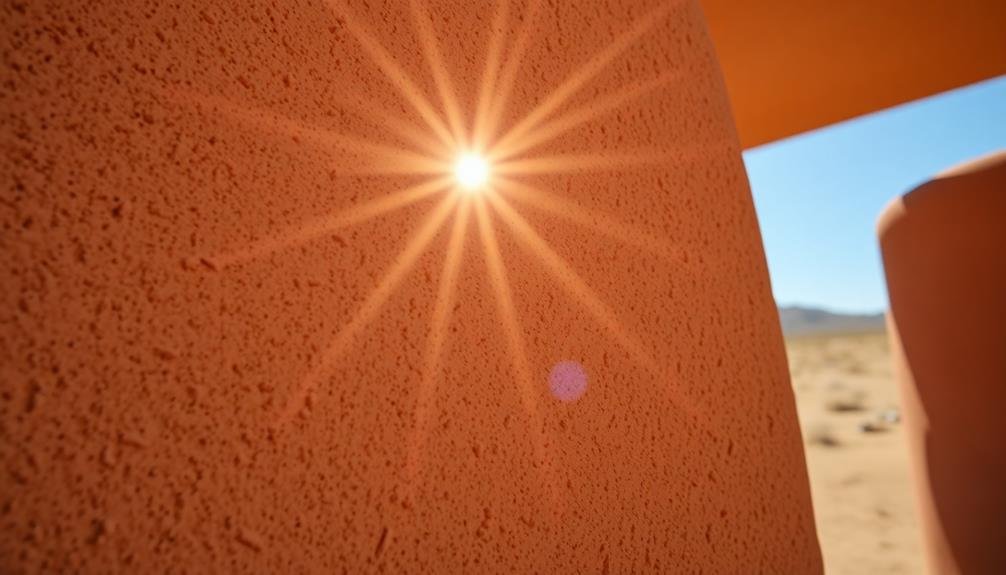
While water offers excellent thermal properties, another material with impressive heat-retention capabilities is adobe. This traditional building material, made from earth and organic materials, has been used for centuries in various cultures around the world.
Adobe's thermal mass properties make it an excellent choice for regulating indoor temperatures in both hot and cold climates. You'll find that adobe walls absorb heat during the day and release it slowly at night, helping to maintain a comfortable indoor environment.
This natural temperature regulation can considerably reduce your reliance on artificial heating and cooling systems, leading to lower energy costs and a smaller carbon footprint.
When considering adobe for your home, keep these key points in mind:
- Thickness matters: Adobe walls should be at least 10 inches thick to maximize their thermal mass benefits.
- Proper maintenance: Regular upkeep is essential to prevent erosion and maintain the material's effectiveness.
- Climate suitability: Adobe works best in dry climates with considerable temperature swings between day and night.
Rammed Earth
Rammed earth is an exceptional thermal mass material that you'll find both practical and visually appealing.
You'll benefit from its excellent thermal storage capacity, which helps maintain consistent indoor temperatures throughout the day.
Excellent Thermal Storage Capacity
Due to its exceptional thermal storage capacity, rammed earth stands out as a prime material for temperature control in homes. This dense, compressed mixture of soil, sand, and clay can absorb and store heat energy effectively, helping to regulate indoor temperatures throughout the day and night.
You'll find that rammed earth walls can greatly reduce your reliance on artificial heating and cooling systems, leading to lower energy costs and a more sustainable living environment.
The excellent thermal storage capacity of rammed earth offers several benefits:
- Temperature stability: It absorbs excess heat during hot days and releases it slowly when temperatures drop, maintaining a comfortable indoor climate.
- Energy efficiency: By reducing the need for heating and cooling systems, you'll save on energy bills and decrease your carbon footprint.
- Natural humidity regulation: Rammed earth walls can absorb and release moisture, helping to maintain ideal indoor humidity levels.
You'll appreciate how rammed earth's thermal mass properties work in harmony with passive solar design principles. By strategically placing windows and overhangs, you can maximize the material's heat absorption during winter and minimize it during summer, further enhancing your home's energy efficiency and comfort.
Environmentally Friendly Construction
Beyond its impressive thermal properties, rammed earth construction offers significant environmental advantages.
When you choose rammed earth for your home, you're opting for a sustainable building method that minimizes environmental impact. The primary material – earth – is often sourced directly from your building site, reducing transportation costs and emissions. This local sourcing also guarantees your home blends harmoniously with its surroundings.
You'll appreciate that rammed earth walls require minimal processing, unlike conventional materials like concrete or steel. This results in lower embodied energy and reduced carbon emissions during construction. The walls are also non-toxic and don't off-gas harmful chemicals, contributing to healthier indoor air quality.
Rammed earth's durability is another eco-friendly aspect. These structures can last for centuries with proper maintenance, reducing the need for future rebuilding or major renovations.
At the end of their lifecycle, rammed earth walls can be easily recycled or allowed to naturally decompose without harmful environmental effects.
Aesthetically Pleasing Appearance
Beauty meets function in rammed earth construction. You'll find that this ancient building technique offers a stunning aesthetic that's hard to match with modern materials. The natural, earthy tones and subtle variations in texture create a warm, inviting atmosphere in your home.
Rammed earth walls have a unique, organic appearance that blends seamlessly with both natural landscapes and contemporary design elements.
When considering rammed earth for your home, you'll appreciate its versatility regarding appearance:
- Color customization: You can add pigments to the soil mixture to achieve your desired hue, from warm terracottas to cool grays.
- Textural variety: Experiment with different soil compositions and layering techniques to create distinctive patterns and textures.
- Finish options: Leave the surface raw for a rustic look, or apply sealants for a smoother, more polished appearance.
Rammed earth walls can be left exposed or combined with other materials like wood, glass, or metal to create striking contrasts. Their natural thermal properties make them an excellent choice for temperature control, while their visual appeal adds character and value to your home.
Phase Change Materials
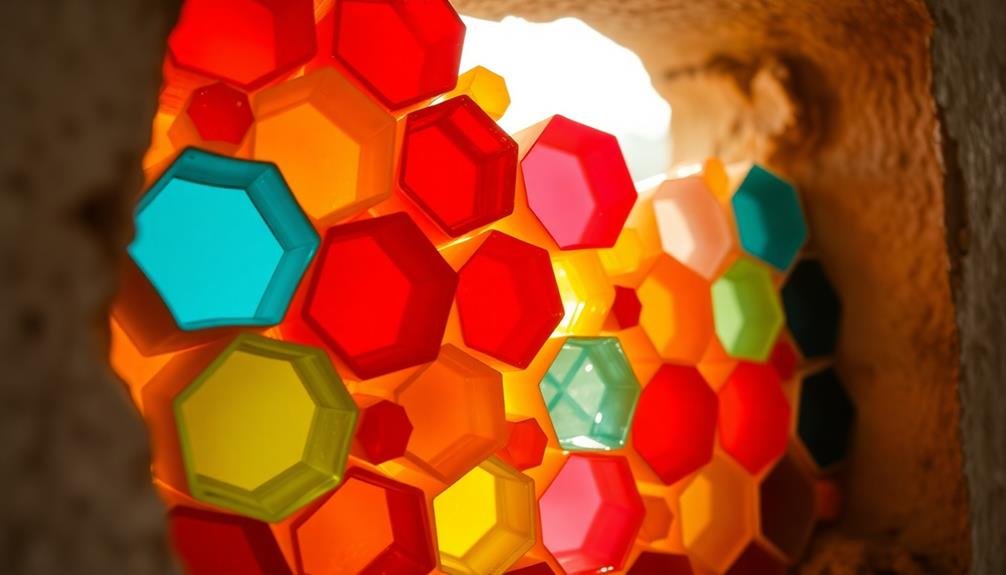
Phase change materials (PCMs) stand out from traditional thermal mass options because of their unique ability to absorb and release heat at specific temperatures. These materials change from solid to liquid and back again within a narrow temperature range, effectively storing and releasing large amounts of thermal energy.
You'll find PCMs in various forms, including microencapsulated particles, salt hydrates, and organic compounds. They can be incorporated into building materials like drywall, concrete, or insulation, enhancing your home's thermal performance without significant structural changes.
One of the key advantages of PCMs is their ability to maintain a consistent indoor temperature. As your home warms up during the day, PCMs absorb excess heat by melting. At night, when temperatures drop, they solidify and release the stored heat, helping to keep your living spaces comfortable.
PCMs are particularly effective in climates with significant temperature fluctuations between day and night. They can reduce your reliance on heating and cooling systems, potentially lowering your energy bills.
However, it's important to choose PCMs with melting points that match your desired indoor temperature range for ideal performance.
Frequently Asked Questions
How Does Humidity Affect the Performance of Thermal Mass Materials?
You'll find that humidity considerably impacts thermal mass performance. It can decrease a material's ability to absorb and release heat effectively. High humidity levels may also lead to condensation, potentially damaging some thermal mass materials over time.
Can Thermal Mass Materials Be Effectively Combined With Modern Insulation Techniques?
Yes, you can effectively combine thermal mass materials with modern insulation techniques. You'll achieve ideal results by strategically placing insulation to prevent heat loss while allowing thermal mass to absorb and release heat as needed, improving your home's energy efficiency.
What's the Cost Comparison Between Different Thermal Mass Materials?
You'll find costs vary widely among thermal mass materials. Water's cheap but needs containment. Concrete's moderately priced. Stone's expensive but long-lasting. Brick falls in the middle. Consider installation costs and longevity when comparing options.
Are There Any Health Concerns Associated With Using Certain Thermal Mass Materials?
You should be aware that some thermal mass materials can pose health risks. Asbestos, once commonly used, is now banned due to its carcinogenic properties. Always research and choose safe, non-toxic options for your home's thermal mass needs.
How Do Thermal Mass Materials Impact Home Insurance Rates and Building Codes?
You'll find that thermal mass materials can affect your home insurance rates and building codes. They may lower rates due to improved energy efficiency, but they must comply with local regulations for fire resistance and structural integrity.
In Summary
You've now explored seven excellent thermal mass materials for home temperature control. Whether you choose concrete, brick, stone, water, adobe, rammed earth, or phase change materials, you're taking a smart step towards energy efficiency. Remember, each material has its own unique properties and benefits. Consider your climate, budget, and architectural preferences when making your selection. By incorporating thermal mass, you'll create a more comfortable and sustainable living environment for years to come.



Leave a Reply