
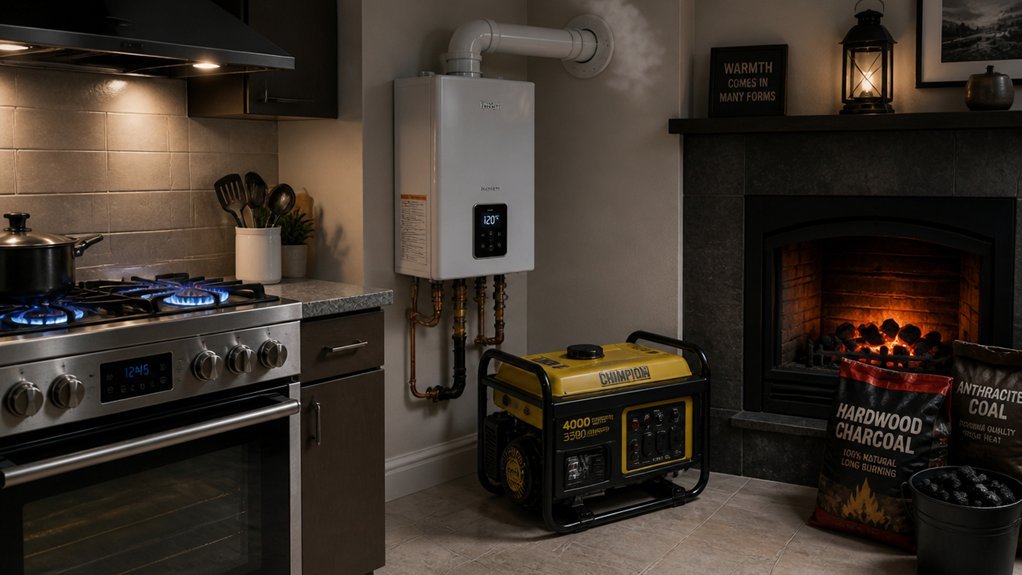
Common sources of carbon monoxide at home include gas furnaces, fuel-burning water heaters, gas stoves and ovens, fireplaces and wood stoves, clogged chimneys and flues, attached garages with idling cars, portable generators, and space heaters. You can lower your risk by keeping vents clear, maintaining appliances, and using them only as directed. Install CO alarms on every level and near bedrooms. If you stay with this, you’ll spot the warning signs fast.
Gas Furnaces and Carbon Monoxide Risks
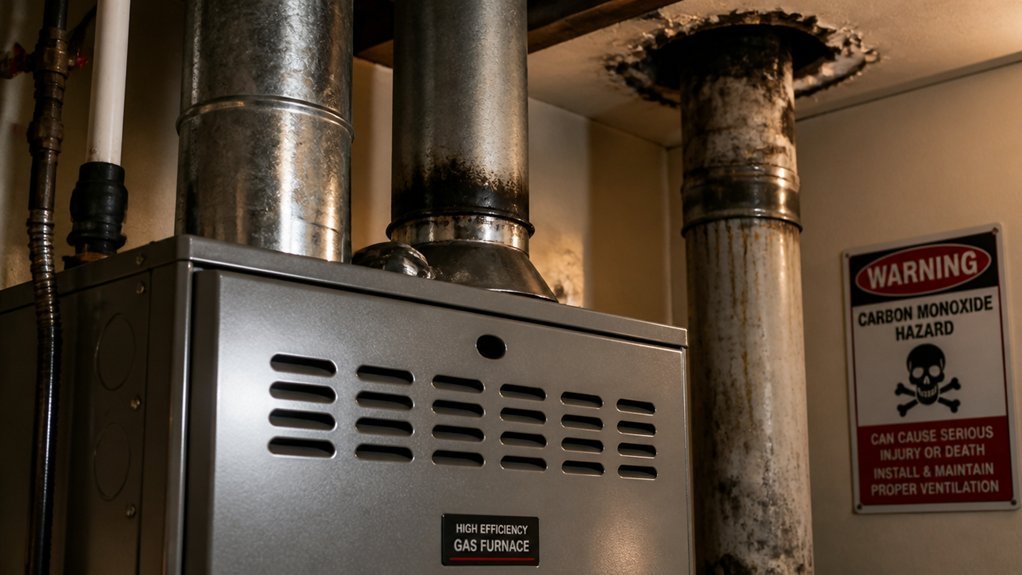
Gas furnaces can produce carbon monoxide when they burn fuel incompletely, so a cracked heat exchanger, blocked flue, or poor maintenance can turn a necessary appliance into a serious hazard. You should treat any furnace warning signs seriously, especially soot, rust, unusual flames, or a pilot that won’t stay lit.
If your system cycles oddly, smells stale, or leaves you with headaches or nausea, shut it down and get it inspected right away.
You can lower your risk by changing filters, keeping vents clear, and scheduling annual service from a qualified technician. You should also install carbon monoxide alarms near sleeping areas and on every level of your home.
These steps help you catch problems early and keep your heating system operating safely. Regular sensor calibration and understanding sensor detection types can further improve early warning accuracy and overall safety.
Water Heaters That Burn Fuel
Fuel-burning water heaters can create carbon monoxide if you’ve got venting system blockages or poor airflow. You should watch for improper combustion risks, since they can send dangerous gases into your home. Schedule annual maintenance checks so you can catch problems early and keep your system safe. Regular calibration of sensors pressure and altitude measurement can also help ensure accurate detection of dangerous CO levels.
Venting System Blockages
When a fuel-burning water heater can’t vent properly, carbon monoxide can build up in your home. You should check the vent pipe and exhaust hood often so debris doesn’t trap fumes.
Snow, bird nests, dust, rust, or a disconnected flue can all block the pathway and send gases back indoors. Watch for these warning signs:
- Soot or rust around the vent
- Moisture near the draft hood
- A backdraft smell or stale air
- Frequent pilot or burner shutdowns
Keep the area around the heater clear, and make sure the vent stays straight and secure. If you notice damage or blockage, shut the unit off and call a qualified technician.
Regular inspections help you catch venting problems before carbon monoxide reaches dangerous levels. Proper sensor accuracy is essential for detecting dangerous CO build-up early and ensuring safe operation.
Improper Combustion Risks
If your water heater doesn’t burn fuel completely, it can produce carbon monoxide instead of safe exhaust. You may not notice a problem because the unit can still heat water while releasing this odorless gas.
Poor flame color, soot around the burner, or a pilot that won’t stay lit can signal improper combustion. You should also watch for headaches, dizziness, or nausea when the heater runs, since those symptoms can mean CO is building up near you.
Fuel-fired heaters need the right air supply and clean burner parts to burn efficiently. If combustion looks off, shut the unit down and call a qualified technician right away. Don’t ignore warning signs, because a faulty burner can expose you and your family to dangerous carbon monoxide indoors. Ensuring proper combustion performance is essential for safe operation and to prevent CO buildup in your home.
Annual Maintenance Checks
That’s why a yearly checkup for your fuel-burning water heater matters. You can catch small problems before they turn into carbon monoxide leaks, wasted energy, or a sudden breakdown.
During maintenance, a technician should inspect the burner, venting, flue connections, and safety controls, then clean buildup that can interfere with proper combustion.
- Test for carbon monoxide around the unit.
- Check the vent pipe for corrosion or blockage.
- Confirm the flame burns steady and blue.
- Replace worn parts before they fail.
You should also keep the area around the heater clear and schedule service before heating season starts.
If your water heater sits in a garage, basement, or utility closet, don’t ignore odd smells, soot, or rust. Regular checks help protect your home and everyone in it.
Understanding the importance of automatic calibration can ensure your devices provide reliable readings over time.
Gas Stoves and Ovens
Gas stoves and ovens can release carbon monoxide when they burn fuel incompletely, especially if burners are dirty, misaligned, or the appliance isn’t vented properly. You can lower your risk by keeping flames blue, cleaning spills, and checking that knobs, igniters, and burner caps work correctly. Run the range hood when you cook, and don’t use the oven to heat your home. Regularly monitoring with radon detectors, which can also detect other harmful gases like carbon monoxide, adds an extra layer of safety.
Fireplaces and Wood-Burning Stoves
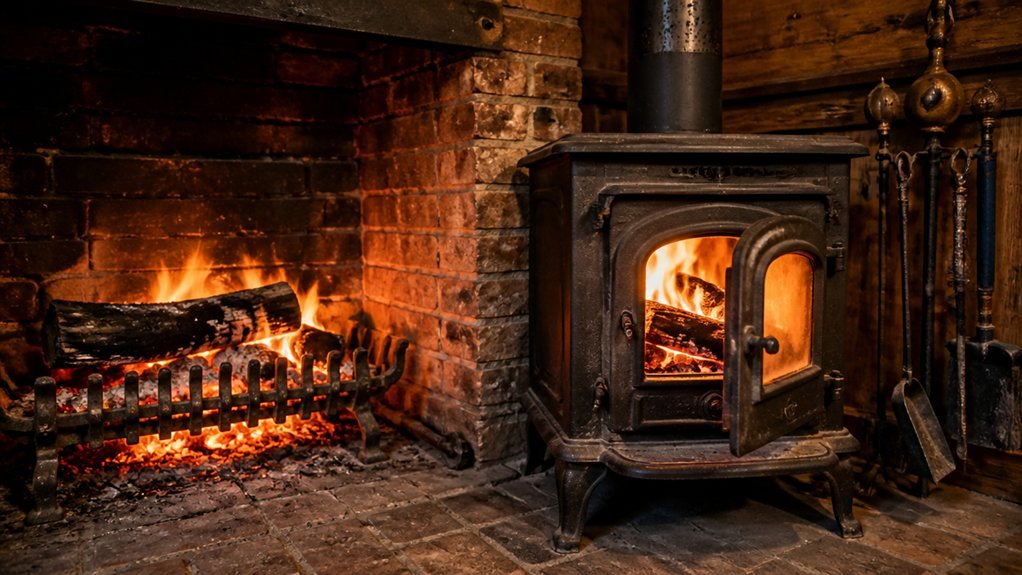
Fireplaces and wood-burning stoves can also produce carbon monoxide when wood doesn’t burn completely or when vents and chimneys are blocked. You should use dry, seasoned wood so your fire burns hotter and cleaner.
- Keep the fire small and steady, not smoldering.
- Open the damper before lighting and while burning.
- Never burn trash, cardboard, or wet wood.
- Install carbon monoxide alarms near sleeping areas and on every level.
- Ensure proper ventilation and regular maintenance of vents and chimneys to prevent buildup of harmful gases certified testing.
You should also watch for smoke backing up into the room, which signals poor combustion. Don’t leave a fire unattended, and let ashes cool fully before disposal.
If you smell smoke or feel dizzy, get fresh air right away and call for help. Safe use lowers your risk and keeps your home warmer without adding hidden danger.
Clogged Chimneys and Flues
When you let creosote build up in your chimney or flue, you raise the risk of carbon monoxide leaks and fire. You also block the venting path, so smoke and gases can’t escape properly.
If you notice backdraft signs like soot, odors, or smoke spilling indoors, you need to act fast.
Creosote Buildup Risks
Creosote can build up inside chimneys and flues over time, narrowing the passage and trapping dangerous exhaust from wood-burning fires. You increase carbon monoxide risk when you let that sticky residue thicken, because it can force smoke back into your home.
Watch for these warning signs:
- A sharp, tar-like odor after you burn wood.
- Black, flaky deposits on the hearth or fireplace walls.
- Slow-starting fires that don’t draft well.
- Heavy soot that needs frequent cleaning.
You should schedule regular inspections and chimney sweeping, especially if you use your fireplace often. Dry, seasoned wood helps reduce creosote, and you’ll lower buildup by burning hotter, cleaner fires.
If you notice poor performance or unusual fumes, stop using the fireplace until a professional checks it.
Blocked Venting Pathways
Blocked chimneys and flues can trap exhaust and send carbon monoxide back into your home. You need clear vent paths so furnaces, fireplaces, water heaters, and boilers can release gases safely. Leaves, bird nests, soot, ice, and debris can narrow or seal the passage. If you ignore that blockage, combustion gases linger where you live. Check exterior caps, look for visible buildup, and schedule professional cleanings when needed.
| Blockage | What it does | Your action |
|---|---|---|
| Soot | Restricts flow | Clean it |
| Nesting debris | Blocks passage | Remove it |
| Ice buildup | Seals venting | Clear it |
Keep vents and chimneys open, and you’ll reduce the chance that carbon monoxide collects inside.
Backdraft Warning Signs
If a chimney or flue is clogged, your home may start showing backdraft warning signs before you notice a problem. You might see smoke spilling into rooms, smell exhaust indoors, or feel your furnace struggling to run properly.
Watch for these clues:
- Persistent soot around vents or fireplaces
- Pilot lights that flicker or go out
- Poor draft and weak airflow
- Headaches, dizziness, or nausea indoors
These signs can mean combustion gases aren’t escaping outside, and carbon monoxide could be building up. Don’t ignore them or try to mask the odor.
Shut off fuel-burning appliances, leave the area, and call a qualified technician to inspect the chimney, flue, and venting system. Quick action helps protect your household from poisoning.
Attached Garages and Idling Cars
Even a few minutes of idling in an attached garage can let carbon monoxide seep into your home, especially when the garage shares walls, doors, or vents with living spaces. You should never warm up your car inside, even with the door open, because fumes can drift into bedrooms, hallways, and basements.
If you back into the garage after driving, shut off the engine right away and keep the interior door closed until the air clears. Repair cracked seals, gaps around pipes, and worn weatherstripping so exhaust can’t move indoors.
If you smell exhaust or feel dizzy, leave the area immediately and get fresh air. Install working carbon monoxide alarms near bedrooms and outside the garage, and test them regularly to protect everyone inside.
Portable Generators and Space Heaters
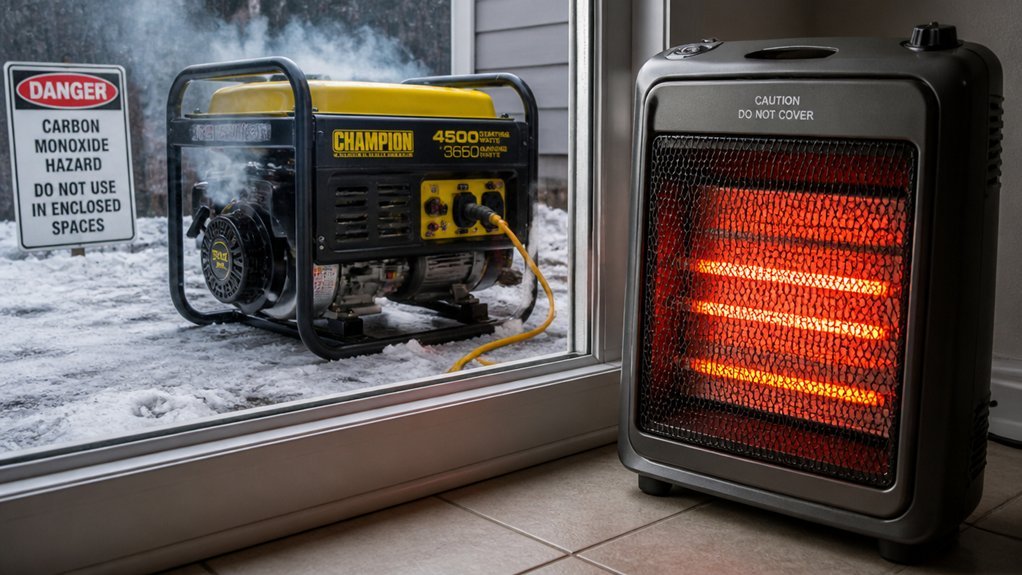
Portable generators and fuel-burning space heaters can quickly produce dangerous carbon monoxide when they’re used indoors or too close to windows, doors, or vents. You should always place them outside, far from your home, garage, and air intakes. Use only the fuel the manufacturer recommends, and never refuel while the unit is hot.
Portable generators and space heaters can create deadly carbon monoxide—always use them outdoors, far from openings and intakes.
Keep cords, coverings, and furniture away from heaters so heat can circulate safely. Remember these basics:
- Run generators outdoors only.
- Keep vents clear and open.
- Turn off equipment before refueling.
- Follow the owner’s manual exactly.
You can reduce risk by inspecting equipment before each use and stopping it immediately if you notice soot, headaches, dizziness, or nausea.
Carbon Monoxide Detectors and Alarms
Carbon monoxide detectors and alarms are your best early warning system, because you can’t see or smell this gas before it reaches dangerous levels. You should install them on every floor, especially near sleeping areas and fuel-burning appliances.
Test each unit monthly, replace batteries as needed, and change the detector itself when the manufacturer says to. If your alarm sounds, don’t ignore it or try to “wait it out.” Get everyone outside immediately, then call emergency services and have the source checked before you return.
Use interconnected alarms if you can, so one alert warns your whole home at once. A working detector gives you time to act fast, protect your family, and prevent a silent emergency from turning deadly.
Frequently Asked Questions
How Often Should Carbon Monoxide Detectors Be Tested?
You should test your carbon monoxide detectors monthly. Press the test button, replace batteries when needed, and follow the manufacturer’s instructions. If it chirps or fails, you’ll need to replace it right away.
What Symptoms Indicate Carbon Monoxide Exposure?
You may notice headache, dizziness, nausea, weakness, confusion, chest pain, shortness of breath, or vomiting. If you feel these symptoms, get fresh air immediately and call emergency services, because carbon monoxide can quickly become deadly.
Where Should Detectors Be Installed in a Home?
You should install carbon monoxide detectors on every level of your home, outside each sleeping area, and near attached garages or fuel-burning appliances. You’ll want alarms mounted according to manufacturer directions for best protection.
Can Pets Show Signs of Carbon Monoxide Poisoning?
Yes, you can notice pets acting weak, sleepy, disoriented, or vomiting, and they may collapse. If you suspect carbon monoxide, get everyone, including pets, outside immediately and call emergency services.
When Should Carbon Monoxide Alarms Be Replaced?
You should replace carbon monoxide alarms every 5 to 7 years, or sooner if the manufacturer says so. If yours chirps, fails a test, or looks damaged, you’ll need a new one.
In Summary
Carbon monoxide can come from several everyday sources in your home, so you need to stay alert. Make sure you service fuel-burning appliances, keep chimneys and vents clear, and never run a car or generator in an enclosed space. You should also install carbon monoxide detectors on every level of your home and test them regularly. A few simple habits can help you protect your family and keep your home safer all year long.


