You can improve indoor air quality without wasting energy by using low-VOC paints, cleaners, and furnishings, and by airing out new materials before bringing them inside. Run ceiling and exhaust fans only when needed, especially during cooking, showering, and laundry, and keep them vented outdoors. Maintain your HVAC system, choose the right filters, and keep humidity between 30% and 50%. A few smart swaps can make your home healthier and more efficient, and there’s more to learn next.
Cut Pollutants at the Source
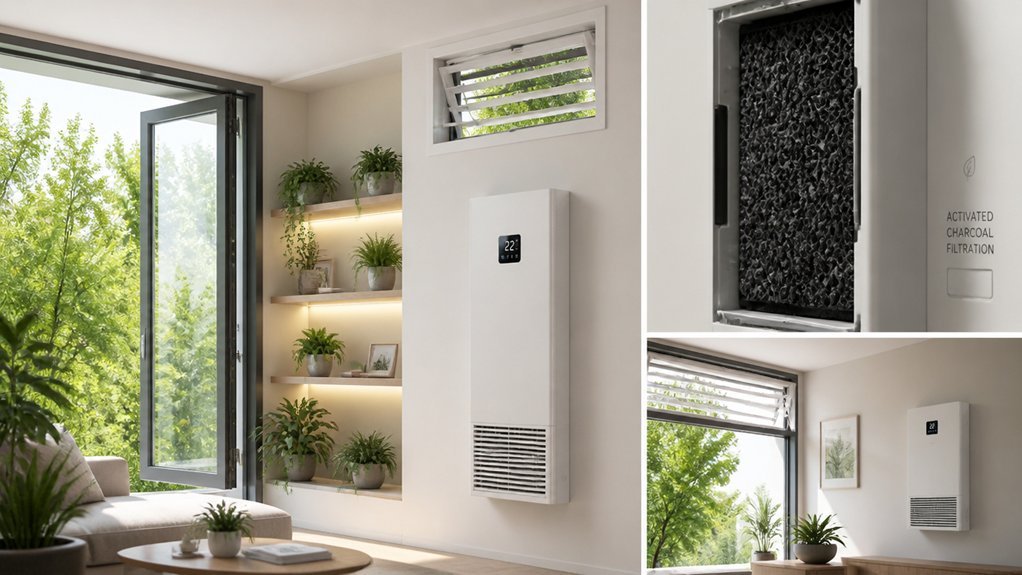
The best way to improve indoor air quality is to stop pollutants before they spread. You can do that by choosing low-VOC paints, sealants, and cleaners that release fewer chemicals into your rooms. You should store gasoline, solvents, and pesticides outside your living space, and you shouldn’t bring strong fumes indoors unless you need them.
When you cook, cover pans, clean spills right away, and avoid burning food, because smoke adds particles fast. Fix leaks and dry wet areas quickly so mold doesn’t grow. If you smoke, keep it outdoors or, better yet, quit.
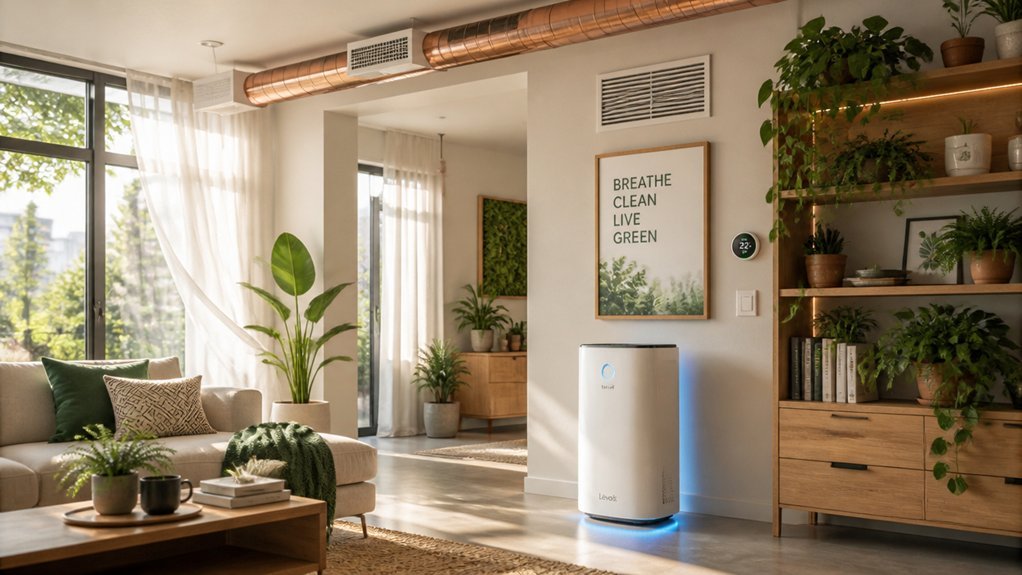
You can also remove shoes at the door and groom pets regularly to cut dust, dirt, and dander before they circulate through your home and settle on surfaces. Additionally, HEPA filtration methods can help trap these airborne pollutants, reducing their presence in your indoor environment.
Improve Airflow With Fans
You can boost airflow by placing ceiling fans where they move air evenly through the room without creating dead spots.
Run exhaust fans during and after cooking or showering so they pull moisture and pollutants outside before they spread.
With the right fan placement and timing, you’ll keep indoor air fresher and easier to breathe.
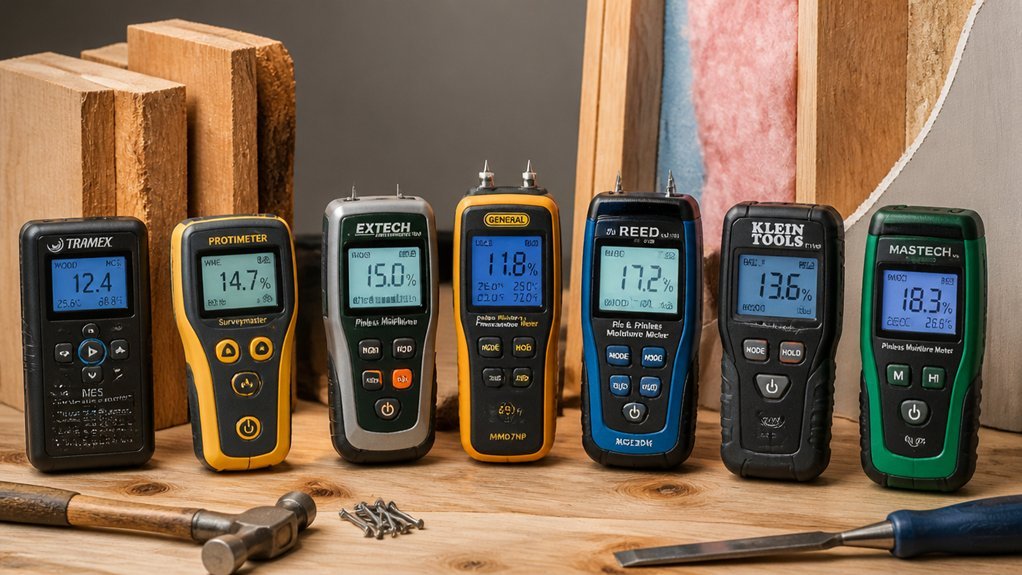
A well-chosen humidity sensor helps automate venting, ensuring fans run only when necessary to save energy.
Ceiling Fan Placement
Where you place ceiling fans can make a real difference in how well air moves through a room. You’ll get the best results when you center the fan in the space so it can push air evenly in all directions.
In larger rooms, one fan may not cover every corner, so you should match the fan size to the room and avoid placing it where furniture blocks the flow. Keep blades high enough to clear people and objects, and choose a location that supports circulation across the whole room, not just one spot.
If your ceiling has beams, vents, or sloped sections, think about how those features affect the air path. Good placement helps you feel cooler and use less energy. Additionally, proper airflow coverage ensures optimal circulation and energy savings throughout your space.
Exhaust Fan Timing
Ceiling fans help keep air moving, but exhaust fans remove stale, humid, or polluted air from the room entirely. You should run them only when you need them, not all day.
Turn on a bathroom fan during showers and leave it on for 15 to 20 minutes after you finish to clear moisture. In the kitchen, use the range hood while you cook and keep it running briefly after frying, boiling, or broiling.
This timing helps you vent contaminants quickly without dumping conditioned air longer than necessary. If you leave fans on too long, you waste energy and may pull in extra hot, cold, or moist outdoor air.
Use timers, humidity sensors, or wall switches with delays so you can improve air quality efficiently and automatically. Incorporating a CO2 monitor can help you determine when ventilation is genuinely needed based on indoor air spikes.
Use Exhaust Fans Properly
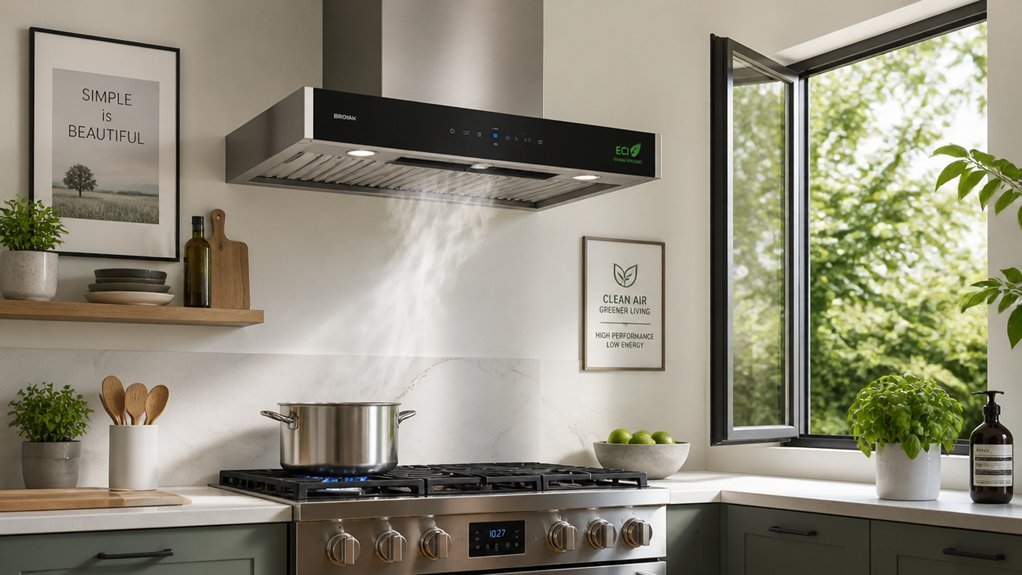
Use exhaust fans when you need them most, not just after the room feels stuffy.
Turn them on during showers, cooking, and laundry so they can remove moisture at the source. When you time them right, you cut humidity and help keep your air cleaner.
Fan Timing Matters
Running exhaust fans at the right time helps remove moisture and pollutants before they spread through your home. You’ll get better results when you switch them on during, not after, the activity that creates the problem. Use them while you cook, shower, or run the dishwasher, then keep them going a few minutes longer so air can clear out fully.
A precise sensor can help monitor indoor air quality to determine the optimal timing for fan use.
Target Moisture Sources
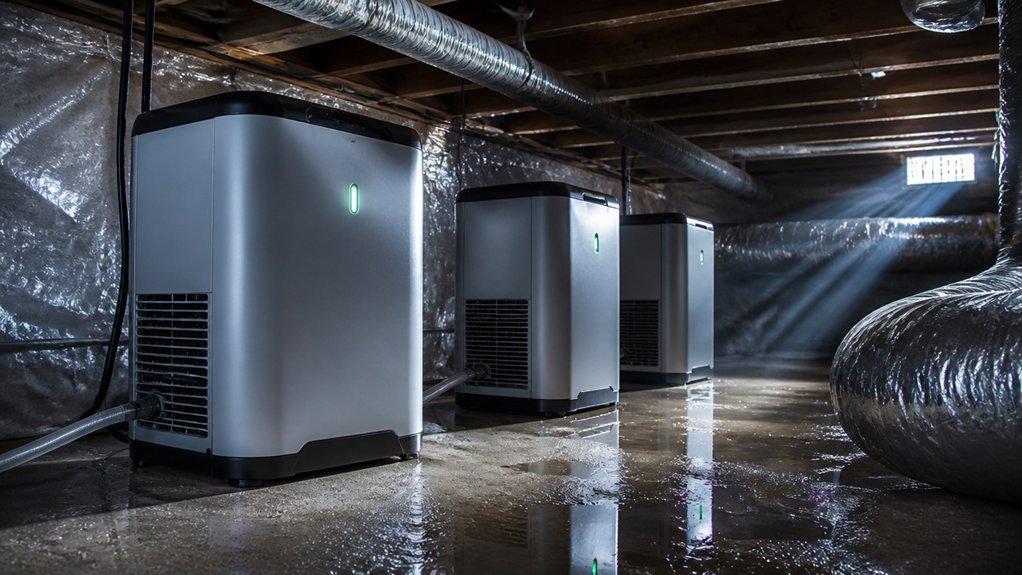
Moisture doesn’t spread evenly, so focus your exhaust fans on the places where it starts. Run the fan during and after you cook, shower, or run laundry to pull damp air out before it settles into walls and fabrics. You’ll lower humidity without overworking your HVAC system. Using auto shut-off features on small dehumidifiers can also help maintain optimal humidity levels efficiently.
Keep fans clean and make sure they vent outdoors, not into an attic or crawlspace. That way, you protect your air and save energy.
Maintain Your HVAC System
Keeping your HVAC system in good shape is one of the easiest ways to improve indoor air quality. You should schedule regular professional inspections so you can catch worn parts, loose connections, and airflow problems before they hurt comfort or efficiency.
Change belts, clean coils, and clear drain pans to stop dust, mold, and stale odors from spreading through your home. Keep vents and returns unblocked, and vacuum around them so debris doesn’t get pulled into the system.
When you maintain the equipment, it runs less often and uses less energy while still circulating cleaner air. You’ll also reduce breakdowns, extend system life, and keep temperature and humidity more stable throughout your rooms, which makes your space healthier and easier to live in year-round. Regular sensor calibration ensures your humidity readings stay accurate, helping you maintain optimal indoor conditions.
Upgrade HVAC Filters Carefully
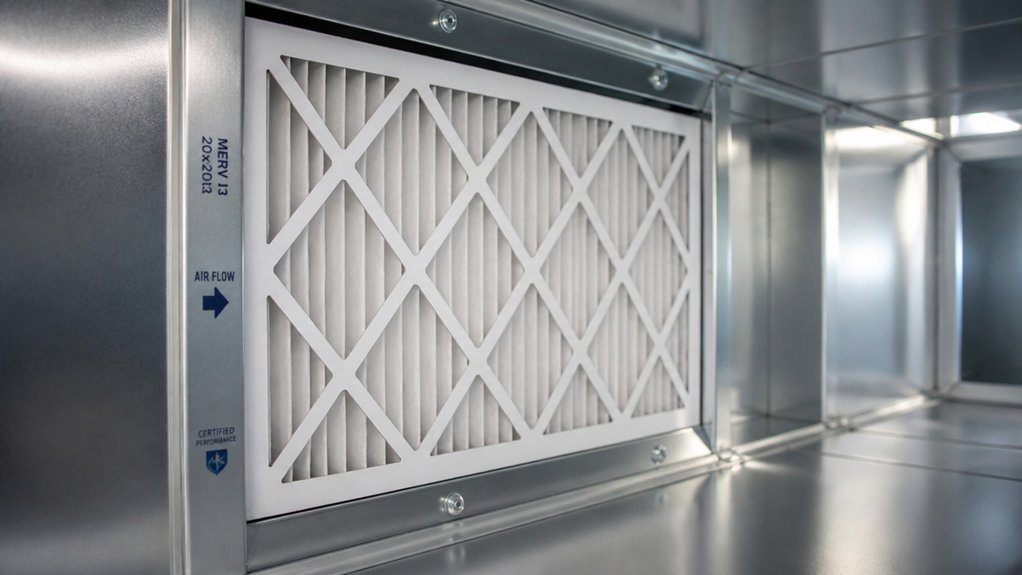
A well-maintained HVAC system works best when the filter can do its job too. You can improve air quality by choosing a higher-efficiency filter that matches your system’s specs. Don’t jump to the thickest option, though, because too much resistance can strain airflow and waste energy.
Check the MERV rating, compare it with your unit’s recommendation, and replace the filter on schedule so dust doesn’t build up and reduce performance.
- Pick a filter that captures particles without choking airflow.
- Inspect it monthly if you have pets, allergies, or heavy dust.
- Change it before it looks clogged, not after.
When you upgrade carefully, you help your HVAC system trap more contaminants while staying efficient, comfortable, and reliable.
Balance Humidity for Cleaner Air
When you keep indoor humidity in the right range, you make it harder for dust, mold, and bacteria to thrive. Aim for 30% to 50% relative humidity, and check it with a simple hygrometer.
If air feels dry, use a humidifier sparingly and clean it often so it doesn’t spread grime. If humidity climbs too high, run a dehumidifier or use your HVAC’s fan setting to move air without overcooling the house.
You can also vent moisture from showers, cooking, and laundry by using exhaust fans and lids on pots. Fix leaks quickly, because damp spots raise humidity fast.
Choose Low-Emissions Plants and Materials
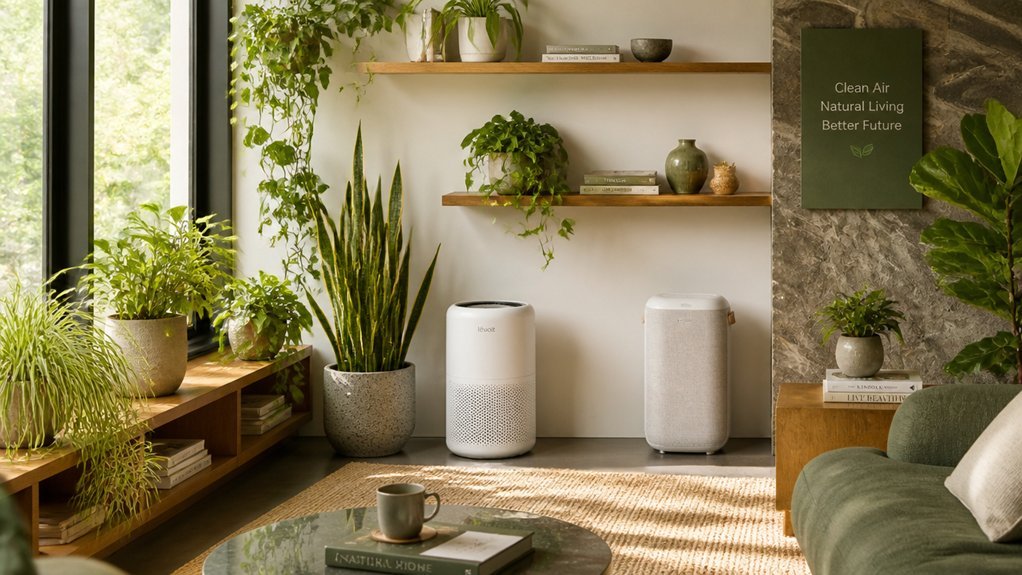
Some houseplants can help freshen indoor air, but choose low-emission varieties and don’t overcrowd rooms with too many plants, since damp soil can invite mold.
You can also support cleaner air by picking furniture, paint, and flooring that release fewer volatile organic compounds. Look for third-party certifications, and air out new items before bringing them inside.
- Choose snake plants, pothos, or peace lilies, and water them lightly so the soil stays dry enough to resist mold.
- Buy low-VOC paint, sealants, and adhesives, because these products reduce fumes without forcing you to run fans constantly.
- Replace pressed-wood or synthetic materials with solid wood, natural fibers, or mineral-based finishes when you can.
These choices cut pollutants at the source and help your home stay healthier.
Frequently Asked Questions
How Often Should Indoor Air Quality Be Tested?
You should test indoor air quality at least once a year, and more often if you notice odors, symptoms, renovations, or new sources of pollution. Regular checks help you catch problems early and protect your health.
Which Smart Sensors Help Monitor Indoor Pollutants?
You can use smart VOC, CO2, PM2.5, temperature, humidity, and radon sensors to track pollutants. They’ll alert you through apps, so you can adjust ventilation and filtration before air quality drops.
Can Air Purifiers Save Energy While Improving Air Quality?
Yes, you can save energy with an efficient air purifier if you match its size to your room, use auto mode, and run it only when needed. You’ll improve air quality without wasting power.
What Window Treatments Reduce Heat Gain and Airflow Loss?
You’ll cut heat gain with exterior shades, reflective blinds, cellular shades, and lined curtains. Keep them snug to reduce airflow loss, yet openable for ventilation. Choose light colors and tight fits for best performance.
How Do Building Leaks Affect Indoor Air Quality?
Building leaks let outdoor pollutants, moisture, and allergens enter your home while letting conditioned air escape. You’ll notice drafts, dust, mold risk, and uneven temperatures, and you can’t control ventilation as well.
In Summary
You can improve indoor air quality without driving up energy use by tackling the biggest problems first. Cut pollutants at the source, run fans and exhaust systems the right way, and keep your HVAC system clean and efficient. Choose filters that fit your system, manage humidity, and bring in low-emissions plants and materials when you can. Small, smart changes add up fast, so you can breathe easier while keeping energy waste low.