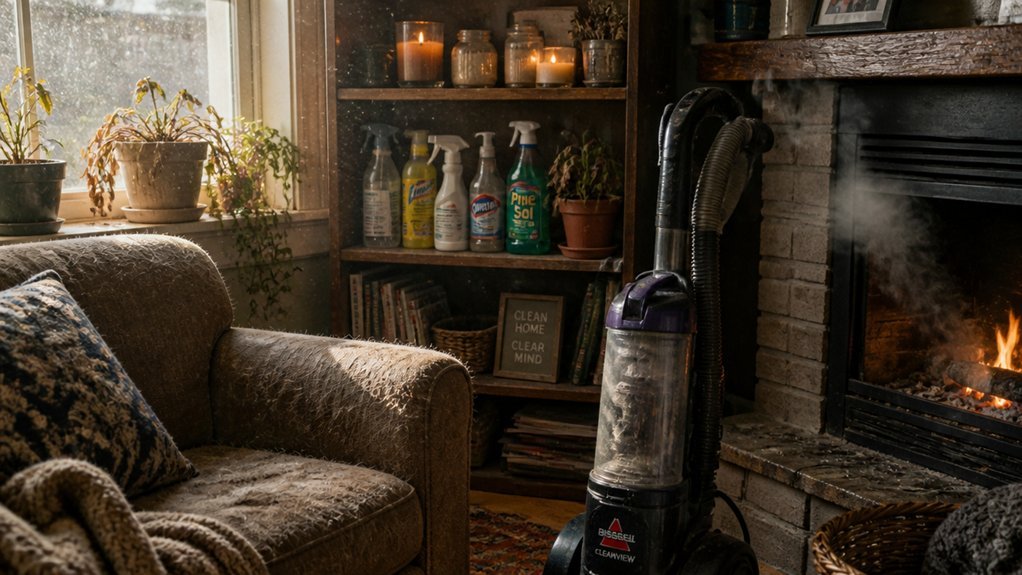
Common indoor air pollution sources in your home include cooking smoke, cleaning sprays, mold, dust, pet dander, pollen, tobacco smoke, off-gassing from furniture, and emissions from heating systems or fireplaces. You may also breathe in radon or carbon monoxide from hidden leaks and poor venting. These pollutants can trigger irritation, odors, and breathing issues. If you keep going, you’ll see how each source gets into your air and what you can do about it.
What Pollutes Indoor Air?
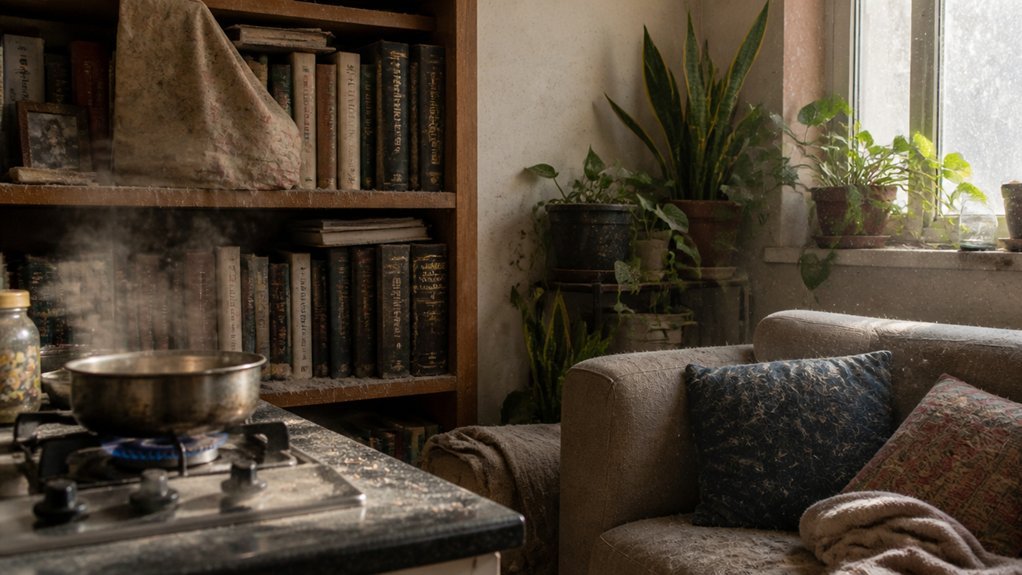
Indoor air gets polluted by everyday things you may not notice at first, from dust, pet dander, and mold spores to smoke, cleaning products, cooking fumes, and gases released by building materials or furniture.
You also breathe in tiny particles that drift off carpets, bedding, and upholstery, plus allergens that settle in vents and corners. Poor ventilation lets these pollutants build up, so your home can trap irritants instead of clearing them out.
Humidity can also help mold grow, while low humidity can stir more dust into the air. Even scented sprays and candles can add chemicals you inhale.
Because you spend so much time indoors, these sources can affect how you feel, especially if you have allergies, asthma, or other breathing problems. Using an air purifier can significantly reduce airborne pet hair and dander, improving indoor air quality.
Cooking Smoke and Fumes
When you cook, smoke and fumes can quickly spread through your kitchen and into the rest of your home. High heat, burnt food, and frying oils release tiny particles that you breathe in, and gas burners can add irritating gases too. If you don’t vent them, they linger on walls, fabrics, and your lungs.
| Source | Common Effect | Best Response |
|---|---|---|
| Burnt food | Strong smoke | Open windows |
| Frying oil | Fine particles | Use a hood |
| Gas stove | Irritating fumes | Improve ventilation |
You can lower exposure by cooking at lower heat, covering pans, and using exhaust fans every time. Clean spills quickly, because leftover residue can keep releasing particles. Good airflow helps you breathe easier while keeping your home fresher and healthier. Properly ventilating your home with the right exhaust fans can significantly reduce indoor air pollution.
Cleaning Products and Air Fresheners
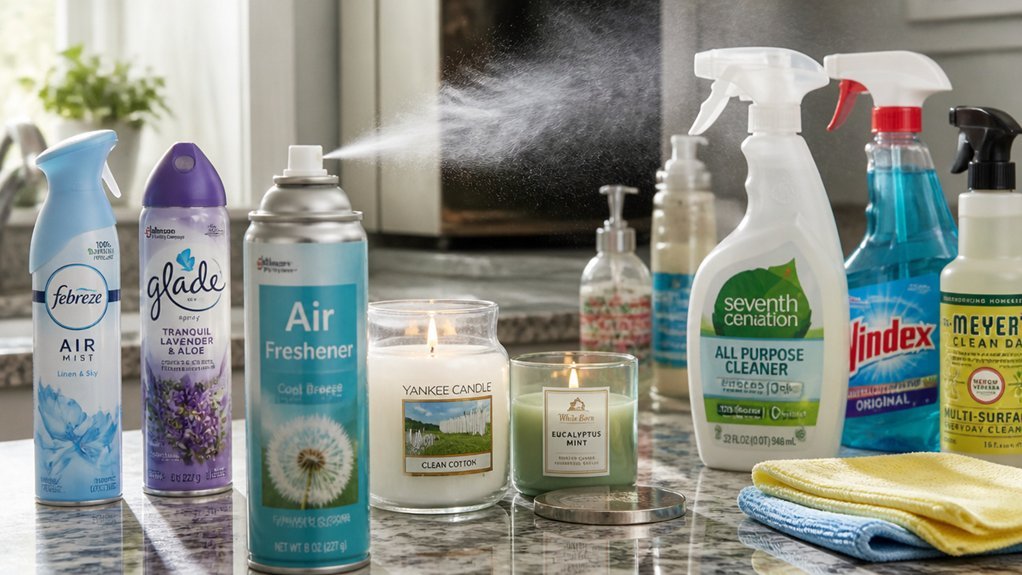
When you use cleaning products and air fresheners, they can leave chemical spray residues on surfaces and in the air. Their fragrances can also release VOCs that linger indoors and affect the air you breathe. You can cut these risks by choosing safer cleaning alternatives with fewer harsh chemicals and added scents. Using air purifiers with HEPA filtration can further reduce airborne particles and improve indoor air quality during and after cleaning.
Chemical Spray Residues
Chemical spray residues from cleaning products and air fresheners can linger in the air long after you’ve sprayed them, adding volatile compounds and fine particles to your indoor environment. You may not notice them right away, but they can settle on countertops, fabrics, and floors, then get stirred back up when you walk, clean, or run a fan. Using high-accuracy sensors for air quality monitoring can help detect these invisible pollutants and alert you when levels are elevated. If you use aerosols often, you’re likely increasing the amount of airborne residue you breathe in throughout the day. To reduce buildup, spray sparingly, aim products directly at surfaces, and open windows while you clean. You can also switch to non-aerosol or fragrance-free options when possible. Good ventilation and fewer sprays help you keep indoor air cleaner and limit repeated exposure in your home.
Fragrance VOC Emissions
Even if a cleaner or air freshener smells pleasant, its fragrance can release volatile organic compounds, or VOCs, into your indoor air. When you spray, wipe, or plug in these products, you can inhale chemicals that drift off into the room and linger on furniture, curtains, and carpets.
You may notice headaches, throat irritation, dizziness, or that heavy, artificial scent that hangs around long after cleaning. VOCs can also mix with other indoor pollutants and lower your air quality further. If you use scented products often, you’re increasing your exposure throughout the day, especially in small or poorly ventilated spaces.
Because these emissions happen indoors, they can build up quickly and affect everyone in your home, including children, older adults, and pets. Monitoring techniques like sensor accuracy can help you better track and manage these pollutants for healthier indoor air.
Safer Cleaning Alternatives
If you want to cut down on indoor air pollution, the products you use to clean your home are a good place to start. Choose unscented cleaners, vinegar, baking soda, and castile soap when you can. They can handle many chores without filling your rooms with harsh fumes. Use fewer sprays and never mix products, because that can create dangerous gases. For fresh scent, open windows or place bowls of baking soda instead of relying on aerosol air fresheners. Using natural odor-absorbing options like activated charcoal can further improve indoor air quality.
Mold, Mildew, and Moisture
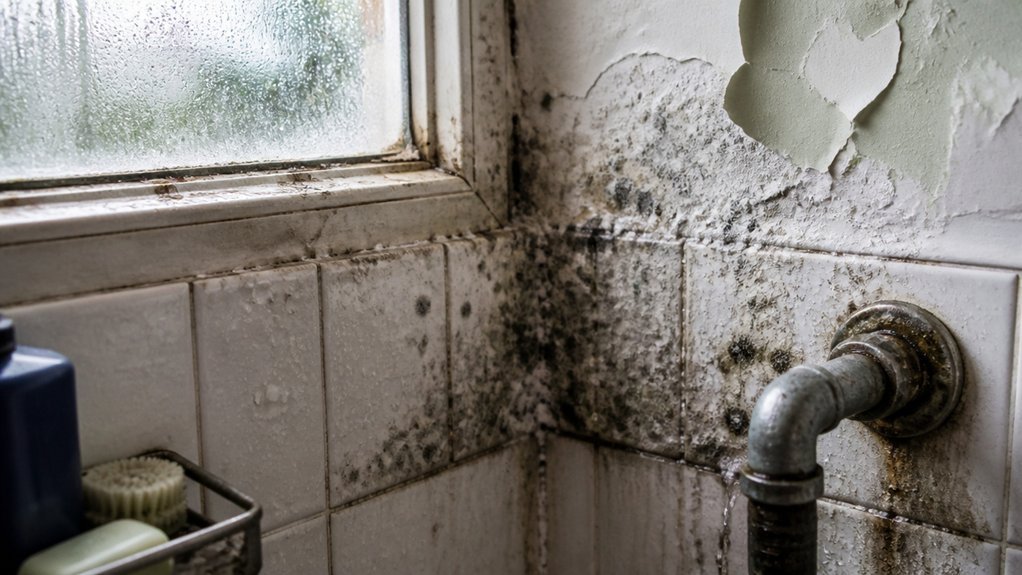
When moisture lingers indoors, mold and mildew can grow quickly on walls, ceilings, carpets, and other damp surfaces. You may notice musty odors, dark spots, or peeling paint before you see the full problem.
These fungi release particles into the air, and you can breathe them in while you sleep, cook, or relax. To limit growth, fix leaks fast, dry wet areas within 24 to 48 hours, and run exhaust fans in bathrooms and kitchens.
Keep humidity low, ideally between 30% and 50%, and use a dehumidifier if needed. If you find a large patch, remove it safely or call a professional. Proper ventilation and moisture control are essential for long-term mold prevention.
Dust, Pet Dander, and Pollen
Not all indoor air irritants come from damp areas. Dust collects on shelves, carpets, vents, and bedding, and you breathe it in every day. It often carries skin flakes, fabric fibers, and tiny particles that can bother your nose and lungs.
Pet dander can also linger on furniture, clothing, and floors, even if you clean often. If you’re sensitive, itchy eyes, sneezing, or congestion may follow.
Pollen slips indoors on shoes, hair, pets, and open windows, then settles on surfaces and recirculates through your home. You can reduce exposure by vacuuming with a HEPA filter, washing bedding weekly, grooming pets regularly, and keeping windows closed during high pollen days.
These habits help you breathe easier.
Tobacco Smoke and Secondhand Smoke
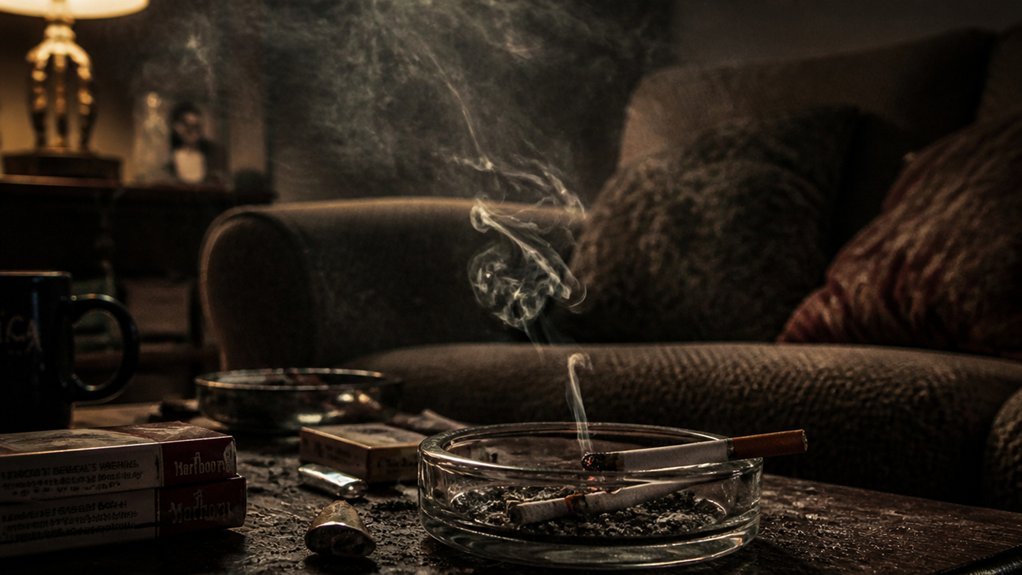
Tobacco smoke and secondhand smoke can seriously harm your health, even if you’re not the one smoking.
You can lower your exposure by avoiding smoky spaces, opening windows when possible, and asking others not to smoke indoors. Cutting smoke from your home and workplace helps you breathe cleaner air every day.
Health Risks of Secondhand Smoke
Secondhand smoke can harm your health even if you never smoke yourself, because it contains toxic chemicals that linger in the air and get pulled deep into your lungs. You may notice irritation in your eyes, throat, and nose right away, but the damage can go much further.
It can raise your risk of asthma attacks, bronchitis, and other breathing problems, especially if you already have sensitive lungs. It also strains your heart and blood vessels, which can increase your chances of heart disease and stroke.
If you’re pregnant, exposure can affect your baby’s growth and health. Children face added danger because their lungs and immune systems are still developing. Even brief exposure can trigger symptoms and weaken your overall respiratory health over time.
Reducing Smoke Exposure
To reduce smoke exposure, make your home, car, and other shared spaces completely smoke-free, and ask visitors to smoke outside and away from doors and windows. You can protect everyone by setting firm rules and posting reminders. If someone smokes, close interior doors, use a portable air cleaner, and keep windows open when outdoor air is clean. Wash hands, hair, and fabrics after contact with smoke. Encourage smokers to quit, and support nicotine replacement or counseling.
| Action | Benefit |
|---|---|
| Smoke-free rules | Less indoor contamination |
| Smoke outside | Limits drift indoors |
| Air cleaner | Reduces particles |
| Quit support | Ends the source |
You’ll also help children, older adults, and pets breathe easier every day.
Furniture and Building Material Off-Gassing
When you bring new furniture, paint, flooring, or cabinetry into your home, they can release volatile organic compounds (VOCs) and other chemicals into the air through a process called off-gassing. You may notice strong odors, eye irritation, headaches, or a stuffy feeling, especially in closed rooms.
To lower exposure, choose low-VOC or no-VOC products, and look for formaldehyde-free options when you can. Let new items air out outdoors or in a garage before bringing them inside. After installation, keep windows open and run fans to boost ventilation. You can also seal exposed particleboard or unfinished wood with appropriate coatings.
The more you reduce emissions at the source, the cleaner your indoor air will be, especially during the first few weeks after purchase.
Heating Systems, Fireplaces, and Burning Fuels
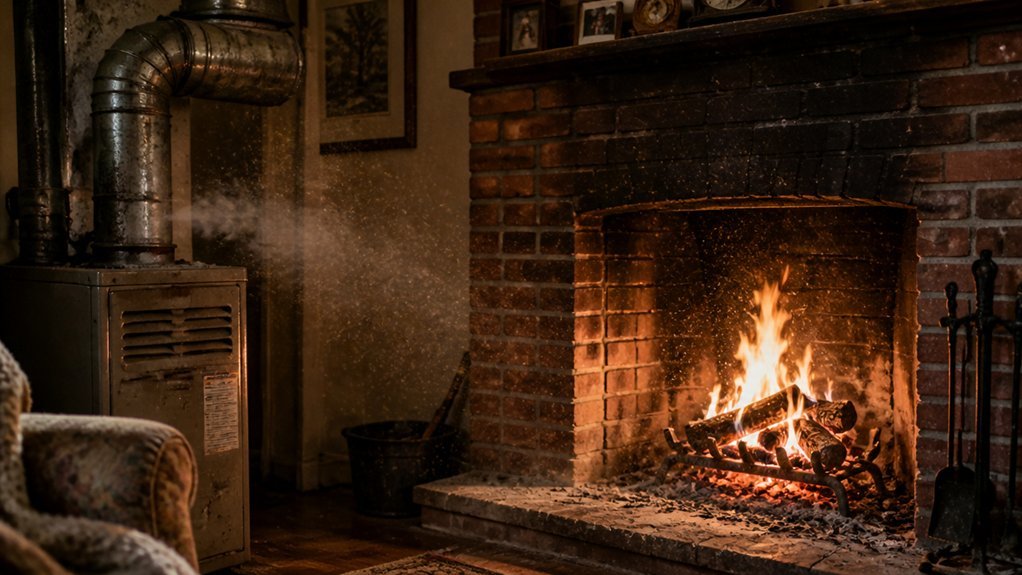
Heating systems, fireplaces, and any fuel-burning appliance can add harmful pollutants to your indoor air if they aren’t vented or maintained properly. You should schedule annual inspections, replace filters, and keep vents clear so your system runs efficiently. When you use a fireplace, open the damper fully and let the fire burn cleanly with dry wood. Avoid overloading stoves or heaters, and never use outdoor grills indoors.
| Source | Safer Habit |
|---|---|
| Furnace | Change filters regularly |
| Fireplace | Burn dry wood only |
| Space heater | Keep it clear of clutter |
You’ll also reduce smoke by sealing leaks in ducts and using exhaust fans when needed. If you notice soot, odors, or poor airflow, address the issue quickly.
Radon, Carbon Monoxide, and VOCs
Even with well-maintained heating and fuel-burning equipment, some of the most dangerous indoor pollutants can come from sources you can’t always see or smell.
Even well-maintained systems can hide dangerous indoor pollutants you can’t always see or smell.
Radon can seep up from soil and collect in basements and lower rooms, so you should test your home and seal entry points if levels are high.
Carbon monoxide can build up when appliances, generators, or vehicles run indoors, so you need working detectors and proper venting to stay safe.
VOCs often drift off paint, cleaners, new furniture, and stored chemicals, and they can irritate your eyes, throat, and lungs. To lower exposure, ventilate when you can, choose low-emission products, and store chemicals tightly sealed.
Regular maintenance and simple monitoring help you protect your air and health every day.
Frequently Asked Questions
How Can I Tell if My Home Has Poor Air Circulation?
You’ll notice stale odors, lingering humidity, uneven temperatures, and stuffy rooms. You might see condensation, dust buildup, or headaches. Open windows briefly, run fans, and check whether air feels fresher and moves more freely.
Which Indoor Plants Actually Help Improve Air Quality?
You’ll get modest help from snake plants, pothos, spider plants, and peace lilies. They can absorb some pollutants, but you’ll improve air more by ventilating, reducing smoke, and controlling humidity indoors.
How Often Should HVAC Filters Be Replaced?
You should replace HVAC filters every 1 to 3 months, depending on use, pets, and dust. Check monthly, because dirty filters reduce airflow, strain your system, and can worsen indoor air quality.
What Air Purifier Features Matter Most for Allergies?
You should prioritize a true HEPA filter, strong CADR, and enough room coverage. You’ll also want a carbon layer for odors, a quiet fan, and easy filter replacement so you can keep it running consistently.
Can Humidity Levels Affect Indoor Air Comfort?
Yes, you can feel a big difference: humidity changes how you breathe, sleep, and stay comfortable. Too much makes air feel sticky; too little dries your skin, throat, and nasal passages.
In Summary
You face indoor air pollution from more places than you might think. Cooking smoke, cleaning sprays, mold, dust, smoke, off-gassing furniture, heating systems, and hidden gases like radon or carbon monoxide can all build up inside your home. Luckily, you can reduce many of these risks with better ventilation, regular cleaning, safer product choices, and routine maintenance. Small changes can help you breathe cleaner air every day and protect your health.