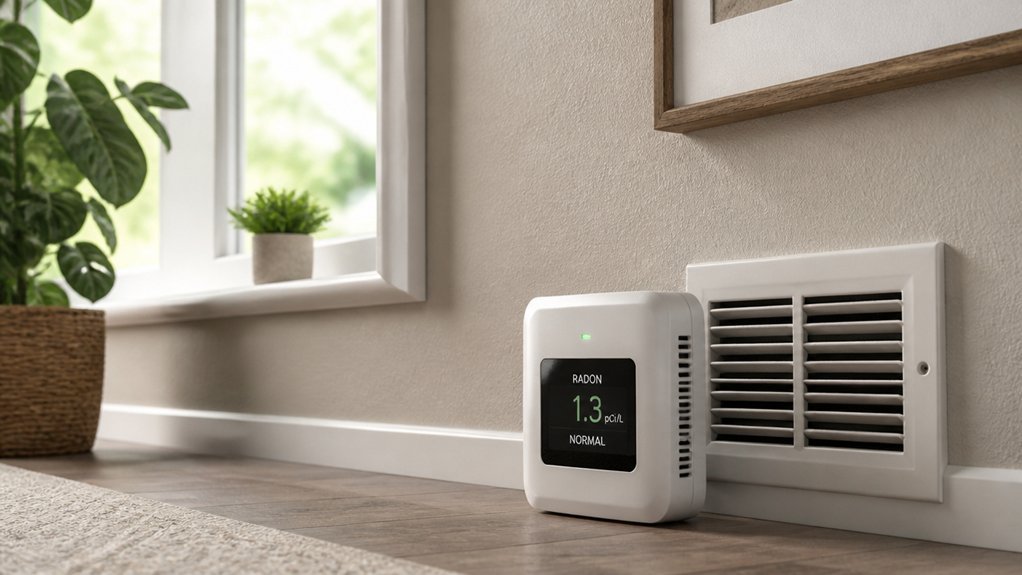
Radon is a colorless, odorless radioactive gas that can harm your lungs over time, and it can show up in any home. You should test the lowest occupied level, away from kitchens and exterior walls, because cracks, sump pits, drains, and even well water can let radon in. If results hit 4.0 pCi/L or more, take action with sealing, ventilation, or mitigation. You’ll also want to know when to retest and how to keep levels low.
What Radon Is
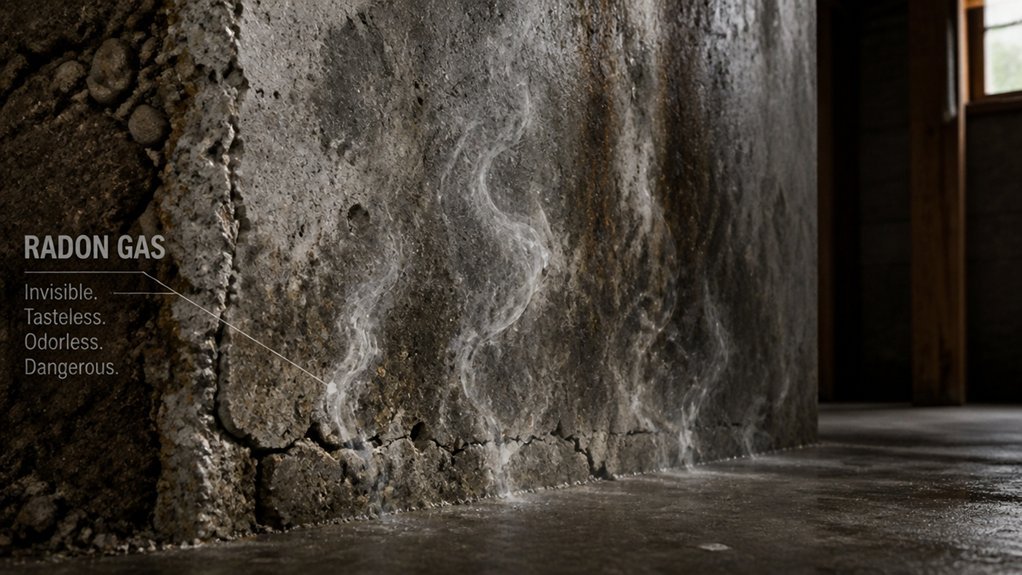
Radon is a naturally occurring, radioactive gas that forms when uranium breaks down in soil and rock. You can’t see it, smell it, or taste it, yet it can still build up in places where people live. Because it’s invisible, you may not notice it without testing.
Radon comes from the earth, and its atoms break down over time, releasing radiation. That radiation can damage your lung tissue if you breathe in enough of the gas over long periods. Using reliable radon test kits helps detect its presence accurately and safely.
As a homeowner, you should treat radon as a serious indoor air quality issue. You don’t need special equipment to understand the risk, but you do need to know that this gas exists, can be present in any home, and deserves your attention.
How Radon Gets Into Homes
Even if radon starts underground, it doesn’t stay there. You can think of your home like a vacuum that pulls air from the soil beneath it. Cracks in the foundation, gaps around pipes, sump pits, floor drains, and construction joints all give radon a way in.
It slips through unfinished basements, crawl spaces, and slab openings, then builds up indoors when air doesn’t circulate well. Negative pressure inside your house can make the problem worse by drawing more soil gas upward.
Radon can also enter through well water in some homes, then escape into the air when you shower, wash dishes, or do laundry. Because you can’t see, smell, or taste it, you may never notice it moving in unless you check. Using reliable radon detectors, homeowners can accurately monitor indoor levels and take action if necessary.
How to Test for Radon
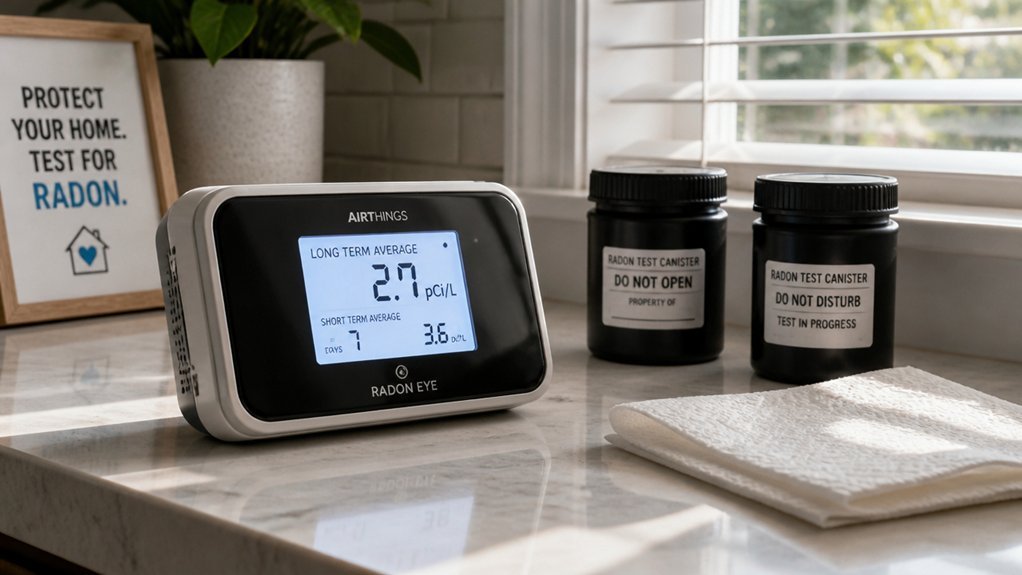
The only way to know whether radon is in your home is to test for it. You can buy a short-term test kit online, at a hardware store, or through your state radon office, and place it in the lowest lived-in level of your house. Follow the instructions exactly, because drafts, windows, and doors can affect the sample. Using a properly calibrated CO2 monitor can help ensure accurate indoor air assessments, although specialized radon testing remains essential. Keep the test in the room you use most, away from kitchens, bathrooms, and exterior walls if possible. If you want a more complete picture, use a long-term kit for several months. You can also hire a qualified radon professional to test for you. After the test period ends, mail the kit to the lab or use the digital result method, then record the reading for future action.
What Radon Test Results Mean
Once you get your radon test result, compare it with the EPA’s action level of 4.0 pCi/L. If your level is below that mark, your home has a lower risk, but radon can still vary from room to room and season to season. A result between 2.0 and 4.0 pCi/L suggests you should stay alert and consider retesting later. If your result is 4.0 pCi/L or higher, you should take it seriously and confirm the reading with another test, especially if conditions during the test may have changed. Short-term tests give a quick snapshot, while long-term tests show your average exposure more reliably. Keep the report, note the date, and use it to track changes over time. Additionally, understanding the testing methods used and their accuracy can help you interpret your results more effectively.
How to Lower Radon Levels
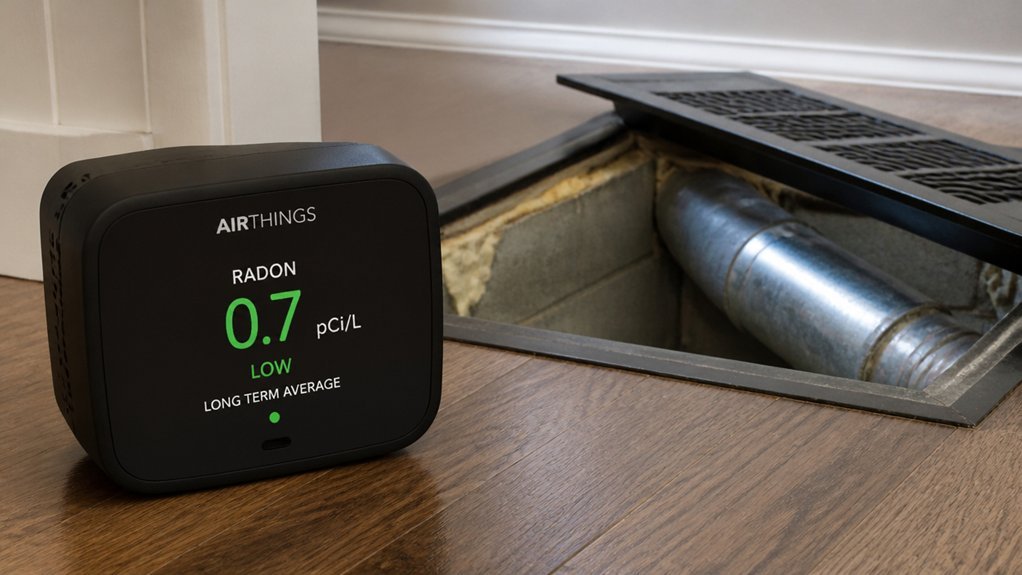
You can start by sealing foundation cracks and other openings that let radon seep inside. Improving ventilation can help dilute indoor radon, and in many homes, you may need to install a mitigation system for a stronger fix. Additionally, using a reliable digital hygrometer can help monitor humidity levels that influence radon buildup. Taking these steps can lower radon levels and make your home safer.
Seal Foundation Cracks
Start by sealing foundation cracks, since even small gaps in basement floors and walls can let radon seep into your home. You can tackle this job with polyurethane caulk, hydraulic cement, or epoxy, depending on the crack size and location. Clean the area first so the sealant bonds well, then fill the opening completely.
| Crack type | Best fix |
|---|---|
| Hairline wall crack | Flexible caulk |
| Wider basement crack | Epoxy or cement |
| Floor joint gap | Polyurethane sealant |
| Around pipes | Expanding foam or caulk |
| Crack sign | What you should do |
| Loose dust | Brush it away |
| Moisture present | Dry the area |
| Active movement | Monitor closely |
| Reopened crack | Reseal it |
Sealing won’t solve every radon problem, but it can reduce entry points and support your overall efforts.
Improve Ventilation
Even after sealing cracks, radon can still build up indoors, so improving ventilation helps dilute the gas and move it out of your home more quickly. You can boost airflow with simple habits that keep indoor air moving and reduce stagnant pockets where radon lingers.
Try these steps:
- Open windows on mild days.
- Run bathroom and kitchen fans.
- Use attic or whole-house fans.
- Keep vents and registers clear.
You should also consider ventilation efficiency, since installing well-designed exhaust fans can help optimize airflow and reduce indoor radon levels more effectively.
You should also balance comfort with safety, since fresh air works best when it circulates through the lowest levels of your home. If you notice persistent radon concerns, keep testing so you can track changes over time.
Better ventilation won’t replace other solutions, but it can help lower exposure while you plan your next move.
Install Mitigation System
If radon levels stay high after sealing and ventilating, install a mitigation system to actively pull the gas from beneath your home and vent it safely outside. You’ll usually use a sub-slab depressurization system, which places a pipe through the foundation and a fan that draws radon from the soil before it enters your living space.
Hire a qualified radon professional to size, install, and test the system, because poor placement can reduce its effectiveness. After installation, check the fan regularly and retest your home to confirm levels have dropped. Using high-precision sensors ensures more accurate detection of radon and other indoor pollutants, helping you evaluate the system’s success.
If your home has a crawlspace or unusual foundation, you may need a different design. A properly installed system can lower radon quickly and help you keep your indoor air safer year-round.
Radon-Resistant Home Features
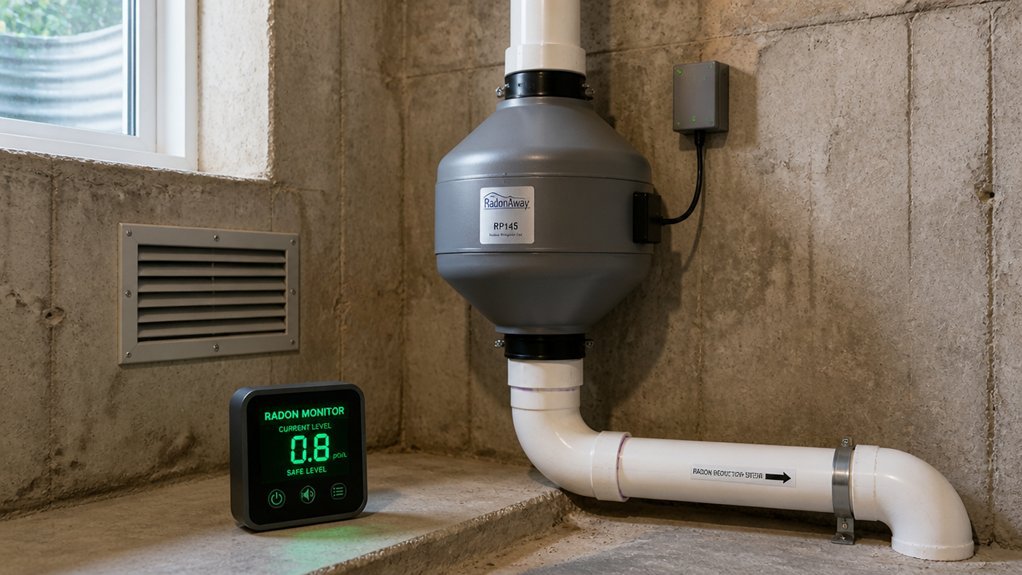
You can make your home more radon-resistant by sealing foundation cracks and gaps where gas can slip in.
A sub-slab ventilation system helps move radon away before it builds up indoors.
If you’re building or renovating, radon-ready piping can make future mitigation easier and more effective.
Sealed Foundation Cracks
Sealed foundation cracks help stop radon from sneaking into your home through gaps in the slab, walls, or joints where the foundation meets the floor. When you seal these openings, you reduce easy entry points and support your home’s overall radon defense.
You can inspect your basement or crawlspace regularly and watch for new splits or shrinking caulk.
- Clean the crack so sealant sticks well.
- Use a radon-rated sealant for durable coverage.
- Patch around pipes, drains, and utility penetrations.
- Recheck the seal after seasonal movement or repairs.
This step won’t fix every radon problem, but it strengthens your barrier and helps keep indoor air safer.
Sub-Slab Ventilation
Sub-slab ventilation helps pull radon from beneath your home before it can drift indoors. You’ll usually see a fan-assisted system that creates a low-pressure path under the slab, so soil gas moves away from living spaces instead of seeping through tiny openings.
When you add this feature during construction, you give radon a controlled escape route and reduce the chance it builds up inside. You should still seal the foundation and monitor indoor levels, because no single feature guarantees protection.
A properly designed system works quietly in the background and can be combined with other radon-resistant details for better results. If your home already has one, test it periodically to make sure it’s performing as intended and keeping your air safer.
Radon-Ready Piping
Radon-ready piping gives you a built-in path for future radon mitigation, making it easier to add an active system if testing ever shows elevated levels. You’ll usually see a sealed pipe run from the sub-slab area to the roof, where it can vent safely outdoors.
This setup can save you time and money because you won’t need major remodeling later.
- You keep a clear route for soil gas.
- You make fan installation simpler.
- You reduce disruption if you add mitigation later.
- You support long-term indoor air protection.
If you’re building or renovating, ask for radon-ready details early. A small upfront step can give you real peace of mind and help you respond quickly if future testing shows a problem.
When to Retest for Radon
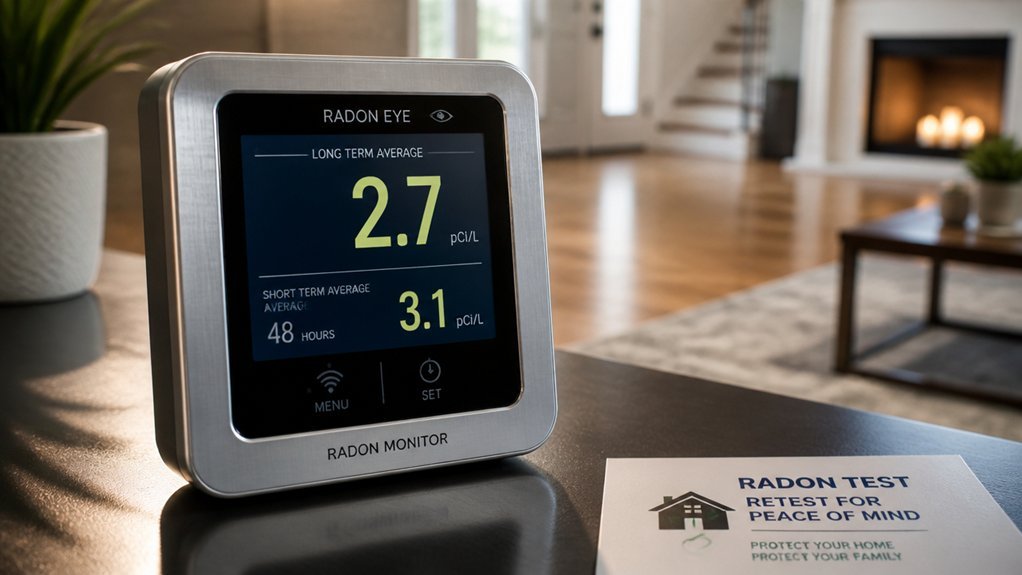
You should retest for radon after any major home renovation, HVAC change, or foundation repair because those updates can alter how air moves through your house. If you’ve moved into a new home, retest within a year, then again every two years or sooner if conditions change.
| Trigger | When | Action |
|---|---|---|
| Renovation | After work ends | Test again |
| HVAC update | Once system runs normally | Retest |
| Foundation repair | After sealing cures | Check levels |
| New occupancy | Within 12 months | Schedule a test |
You should also retest after long vacancies, flood cleanup, or changes in flooring. Use a short-term or long-term test, depending on how quickly you need results. If readings shift, you can act with confidence and keep your home’s air under watch.
Why Radon Maintenance Matters
Even after a radon mitigation system is installed, regular maintenance keeps it working as intended. You rely on the fan, piping, and seal points to move radon safely out of your home, and small problems can reduce that protection fast.
When you stay proactive, you lower the chance of rising radon levels and avoid costly repairs later.
- Check the fan for unusual noise or failure.
- Inspect visible pipes for cracks or loose joints.
- Watch the system gauge, if installed, for changes.
- Retest your home after maintenance or repairs.
You shouldn’t assume a working system stays effective forever. Seasonal shifts, wear, and home updates can all affect performance.
A few quick checks each year help you protect your family and keep your mitigation system doing its job.
Frequently Asked Questions
Does Radon Exposure Cause Immediate Symptoms?
No, you usually won’t notice immediate symptoms from radon exposure. You can’t feel, smell, or see it, and its harm builds over time, raising your long-term lung cancer risk. Testing your home helps protect you.
Is Radon Risk Higher in Certain Home Locations?
Yes, you’re at higher risk in lower levels, basements, and ground-contact rooms, especially with cracks or poor ventilation. You should test there first, because soil gas enters homes unevenly and can build up quickly.
Can Radon Levels Change With Seasons?
Yes, you can see radon levels change with seasons. You’ll often get higher readings in winter when your home’s tightly sealed, and lower readings in warmer months when ventilation improves and air circulates more.
Are Apartments and Condos Affected by Radon?
Yes, you can find radon in apartments and condos, especially on lower floors. You should test your unit, because building design and ventilation can trap gas indoors and raise your exposure.
Does Smoking Increase Radon-Related Health Risks?
Yes, smoking does increase your radon-related health risks. You’re much more likely to develop lung cancer if you smoke and breathe radon, because the two hazards combine and damage your lungs over time.
In Summary
Radon might be invisible, but it can still affect your home and health. If you haven’t tested yet, make it a priority. If your levels are high, act quickly to lower them and protect your family. Remember to retest after any major changes and keep your system maintained over time. A little attention now can make a big difference later. Stay informed, stay proactive, and keep your home as safe as possible.