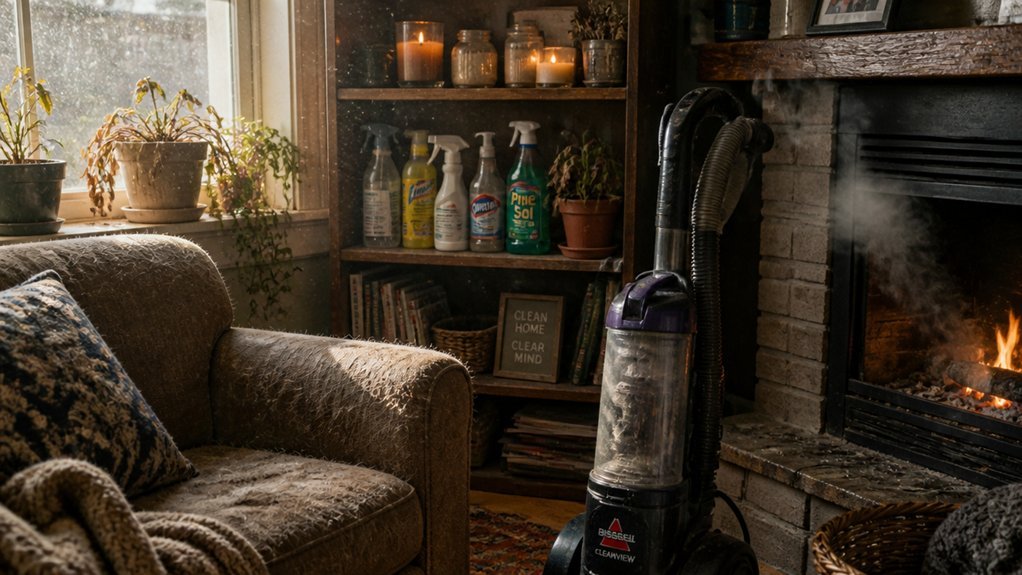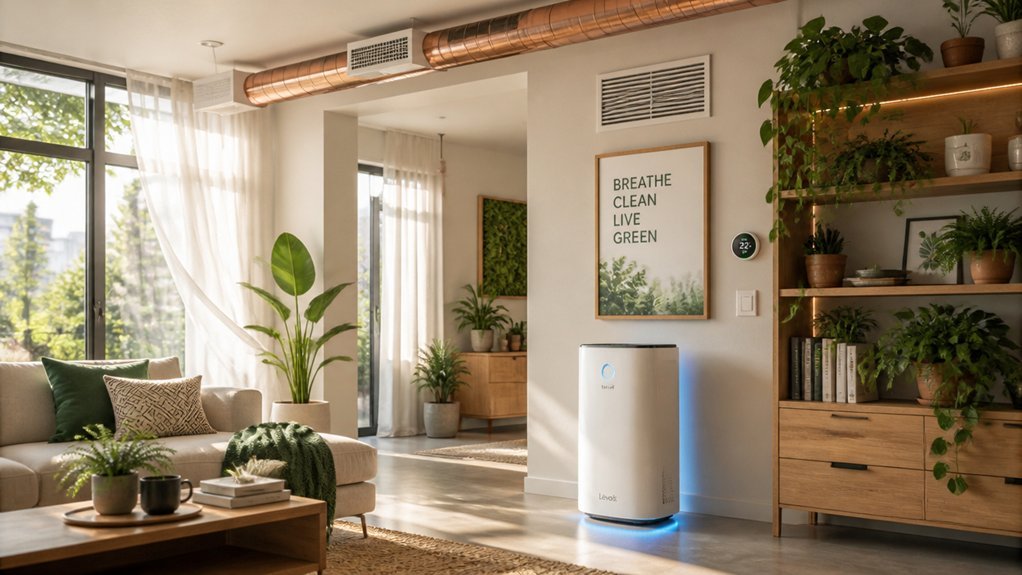
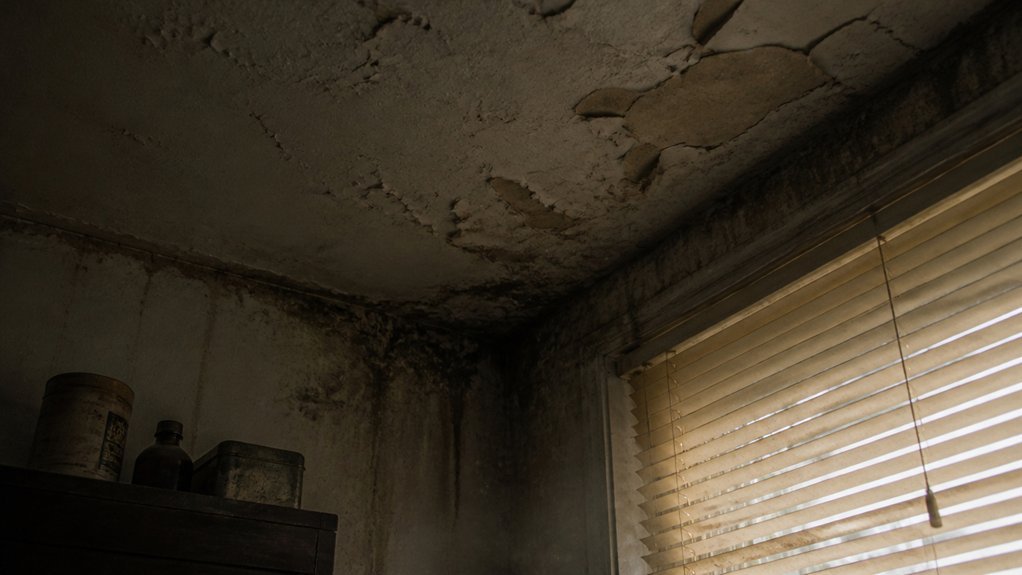
Six signs your home has poor ventilation are lingering musty odors, condensation on windows, damp walls or ceilings, peeling paint or bubbling wallpaper, fast dust buildup, and rooms that feel stuffy or unevenly heated. You may also notice foggy mirrors after showers, sticky air, or allergy flare-ups from trapped dust and mold. These clues mean moisture and stale air aren’t escaping well, and a few simple fixes can make a big difference if you keep going.
What Poor Home Ventilation Looks Like
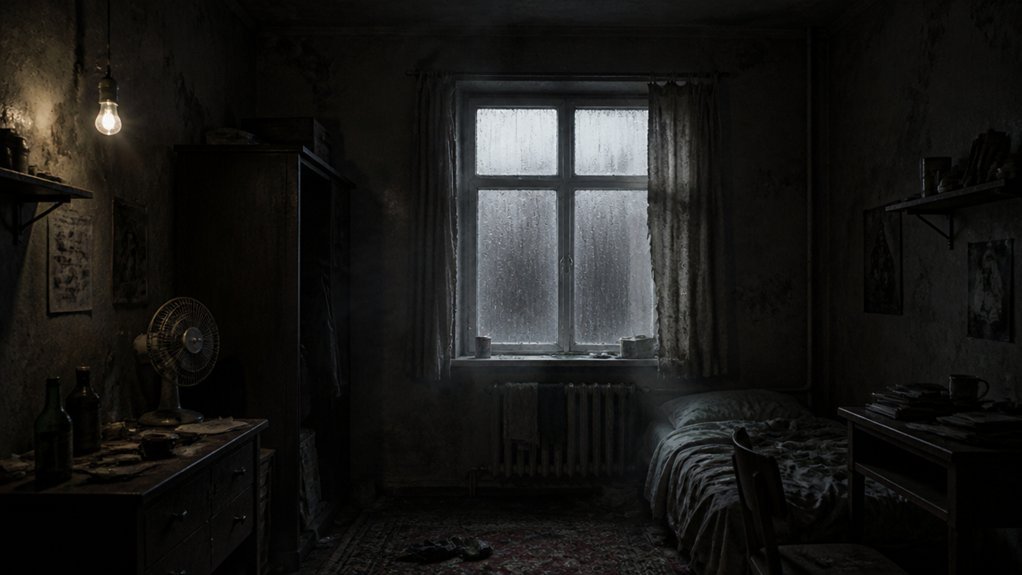
Poor home ventilation often shows up in ways you can see and smell right away. You might notice condensation on windows, damp walls, or peeling paint near ceilings and corners. Your mirrors may fog up long after a shower, and rooms can feel sticky or stale even with fans running.
You may also see dust collecting quickly on surfaces, especially near vents and baseboards. If your home feels stuffy in some rooms but chilly in others, air isn’t moving properly. Poor airflow can make daily tasks feel uncomfortable, and your indoor spaces may look dull or neglected. Additionally, inadequate moisture removal capacity can lead to excess humidity, further exacerbating these issues.
These visual clues often mean your home isn’t exchanging indoor and outdoor air well, so you should pay attention before bigger moisture problems develop.
Musty Odors That Won’t Go Away
One of the clearest signs of poor ventilation is a musty smell that lingers no matter how much you clean. You might notice it in closets, hallways, basements, or rooms that stay closed most of the day.
The scent can feel heavy, stale, or slightly earthy, and it often gets stronger after rain or during humid weather. Air fresheners may cover it for a little while, but they won’t solve the problem.
If you keep noticing the odor after vacuuming, washing fabrics, and opening windows, your home likely isn’t moving air well enough. Air quality sensors can detect poor air circulation and help you pinpoint problem areas. Poor airflow traps old smells inside, so they build up over time.
Improving ventilation helps fresh air replace stagnant air and keeps your rooms smelling cleaner.
Condensation, Damp Spots, and Mold Growth
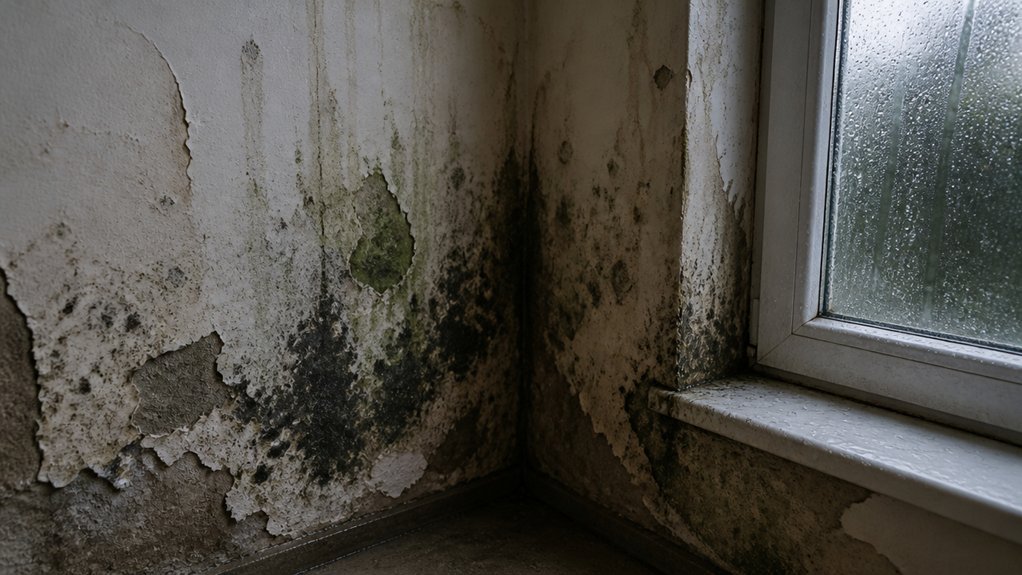
If you notice condensation building up on your windows, your home may be trapping too much moisture.
Damp patches on walls or ceilings can signal the same problem and often point to hidden mold growth. These signs shouldn’t be ignored, because poor ventilation can quickly make dampness worse. Using mold test kits can help accurately identify the presence of mold and determine the extent of contamination.
Window Condensation Buildup
When do windows start telling the story of poor ventilation? You’ll notice moisture collecting on the glass, especially after cooking, showering, or sleeping. That buildup means humid air isn’t moving out fast enough, and your home’s surfaces stay cool long enough for water to settle.
A high-precision sensor can help detect and monitor humidity levels more accurately, alerting you to ongoing moisture issues before they become more serious.
| Sign | What it tells you |
|---|---|
| Fogged glass | Moist air lingers indoors |
| Beaded droplets | Ventilation can’t clear humidity |
| Wet sills | Water’s pooling at the window |
| Frequent return | The problem keeps repeating |
If you wipe the panes and they fog again soon after, you’re likely trapping too much moisture inside. Open windows, run exhaust fans, and check airflow near these spots. Acting early helps you keep humidity in check and prevents bigger issues later.
Damp Patches And Mold
Damp patches on walls, ceilings, or around corners often mean excess moisture isn’t escaping your home fast enough. You may notice peeling paint, bubbling wallpaper, or dark stains where air stays still.
If you ignore these spots, mold can spread behind surfaces and release a musty smell that lingers in rooms and closets. Check areas near bathrooms, kitchens, windows, and exterior walls, since they trap humidity first.
Wipe up small condensation quickly, but if patches keep returning, your home likely needs better airflow. Open windows, run exhaust fans, and use a dehumidifier to lower moisture levels.
When damp areas grow or mold keeps reappearing, you should inspect insulation, leaks, and ventilation systems to stop the problem at its source before it damages your home and health. Proper dehumidification can prevent excess humidity buildup and improve overall ventilation efficiency.
Dust, Mold, and Allergy Flare-Ups
Even a clean-looking home can hide a ventilation problem if dust seems to settle quickly, mold keeps returning, or your allergies flare up indoors. Poor airflow lets particles linger, so you may wipe surfaces often and still see a thin layer return fast.
It also traps moisture, which helps mold spread in hidden spots like grout, window frames, and closets. If you sneeze, itch, or feel congested more at home than outside, your indoor air may be holding onto irritants.
You can reduce buildup by cleaning vents, using exhaust fans, and opening windows when weather allows. Choosing the right humidity sensor can help maintain optimal moisture levels and prevent mold growth. If the problem keeps coming back, you’ll want to check for blocked airflow or a hidden moisture source before the irritation worsens.
Rooms That Feel Stuffy or Unevenly Heated
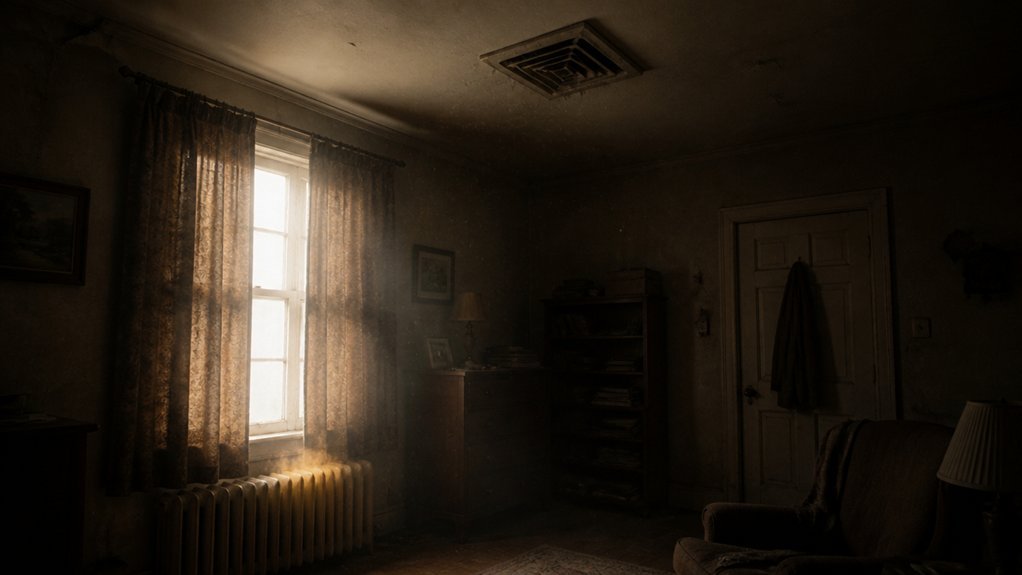
If some rooms feel stuffy while others stay chilly, your home may not be moving air evenly.
You might notice stale air pockets that make certain areas feel heavy or uncomfortable. Uneven room temperatures often point to poor ventilation and weak air circulation. A properly calibrated hygrometer can help detect such issues by providing accurate readings of indoor humidity levels, highlighting areas where ventilation is lacking.
Stuffy Air Pockets
Why does one room feel muggy while another stays chilly? You may have stuffy air pockets when air doesn’t circulate well through your home. In these dead zones, stale air lingers, odors hang around, and you might notice a heavy, damp feeling that never seems to clear.
Closed doors, blocked vents, crowded furniture, or poor fan placement can trap air and stop fresh air from moving through. You might also feel sleepy, notice lingering cooking smells, or see windows fog up more often in those spaces.
These pockets don’t just feel unpleasant; they signal that your home isn’t exchanging air properly. When you catch them early, you can improve circulation and help every room feel fresher, lighter, and more comfortable.
Uneven Room Temperatures
When one room feels stuffy while another stays chilly, uneven temperatures often point to poor airflow in your home. You might notice the upstairs bedroom overheats while the living room never warms up, or a closed-off office feels muggy even with the heat on.
This happens when air can’t circulate evenly through vents, doors, and hallways. Poorly placed furniture, dirty filters, blocked registers, and weak return vents can all make the problem worse. You can also feel it when one corner of a room stays stagnant while another gets a draft.
If your home heats or cools unevenly, your HVAC system may be working harder than it should. Check airflow paths and schedule maintenance so every room feels comfortable.
How to Improve Home Ventilation Fast
To improve home ventilation fast, start by creating a direct path for stale air to leave and fresh air to enter. Open windows on opposite sides of your home, then run fans to push air outward and pull cooler air in.
If you have exhaust fans in the kitchen or bathroom, turn them on while you cook, shower, or clean. Replace clogged HVAC filters, because dirty filters restrict airflow and trap pollutants. Keep interior doors open when possible so air can circulate between rooms.
If your home feels stuffy, check that vents aren’t blocked by furniture or dust. You can also use a portable air purifier to help reduce lingering odors and particles while you improve airflow. These quick steps can make your home feel fresher within hours.
Frequently Asked Questions
How Do I Measure My Home’s Air Exchange Rate?
You can measure your home’s air exchange rate by using a blower door test, CO2 monitor, or tracer gas method. You’ll compare indoor and outdoor air changes over time, then calculate air changes per hour.
Can Poor Ventilation Increase Energy Bills?
Yes—poor ventilation can increase your energy bills because you’ll run heating or cooling longer to compensate. You may also lose conditioned air through leaks or overuse fans, making your system work harder overall.
Which Rooms Need Ventilation Upgrades First?
You should upgrade kitchens and bathrooms first, since you create the most moisture and odors there. Then tackle laundry rooms, basements, and bedrooms, where stale air, humidity, and pollutants can build up quickly.
Do Air Purifiers Fix Ventilation Problems?
No, air purifiers don’t fix ventilation problems; they only clean recirculating air. You still need fresh outdoor air, exhaust fans, or duct improvements. Use purifiers as a supplement, not a replacement.
When Should I Call a Ventilation Professional?
Call a ventilation professional when you notice persistent odors, mold, condensation, uneven temperatures, or worsening allergy symptoms. You can’t solve those issues with fans alone, and a pro’ll diagnose airflow problems and recommend fixes.
In Summary
If you’ve noticed musty smells, condensation, or allergy flare-ups, your home may be telling you it needs better airflow. Don’t ignore stuffy rooms or damp spots, because poor ventilation can lead to bigger problems over time. Start by opening windows, using exhaust fans, and checking your HVAC system for issues. A few simple fixes can help you breathe easier, protect your home, and create a healthier living space fast.