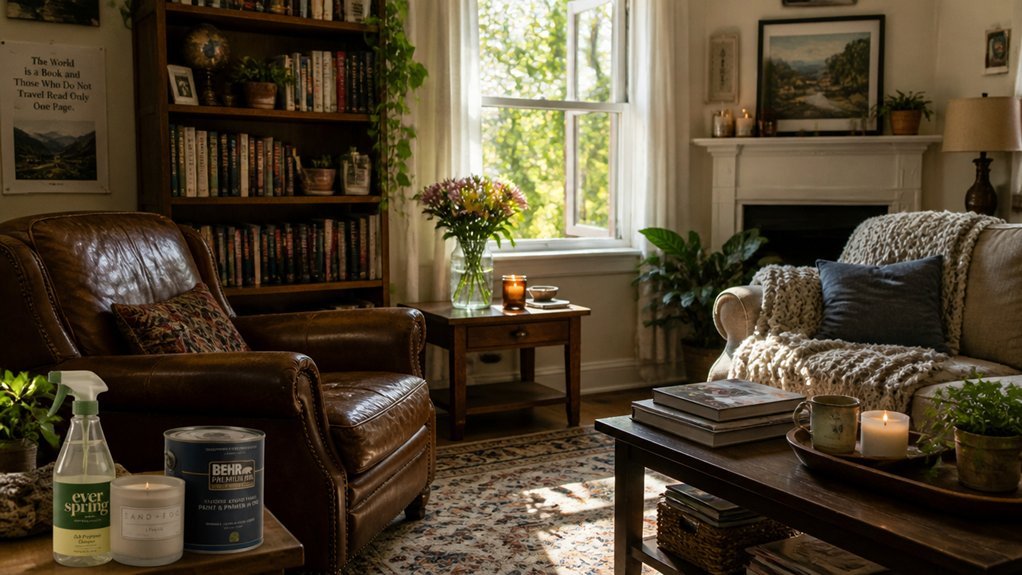
You can breathe in VOCs at home every day from seven hidden sources: fresh paint and finishes, new furniture and pressed wood, carpets and carpet glue, spray cleaners and air fresheners, fragranced laundry products, personal care items like perfume or hairspray, and stored fuels or solvents. These chemicals off-gas into indoor air and can irritate your eyes, nose, throat, and lungs. If you want to cut exposure fast, there’s more you should know.
What VOCs Are
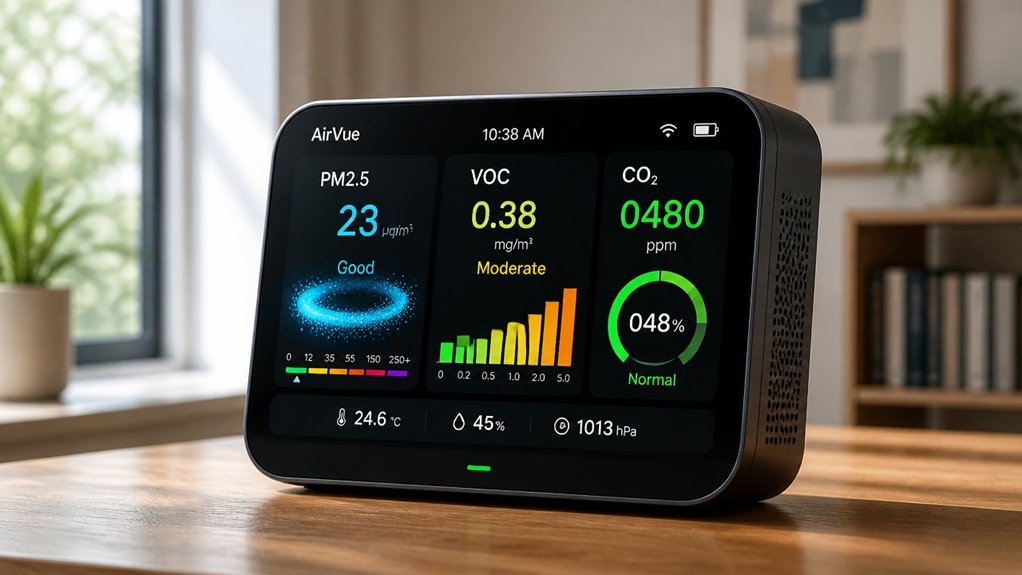
VOCs, or volatile organic compounds, are chemicals that easily evaporate into the air at room temperature. You’ll find them in many everyday materials, from paints and cleaning products to adhesives, fuels, and some furnishings. Because they release gases easily, you may notice a strong smell, but odor alone doesn’t tell you how much is present. Different VOCs behave differently, yet they all share one trait: they can move from liquids or solids into the air. You can think of them as ingredients that don’t stay put. When you use products containing them, they can off-gas for a while after application or opening. Understanding VOCs helps you spot which household products contain them and how they enter your living space, so you can make more informed choices. Using accurate monitoring devices can help detect VOC levels and improve indoor air quality.
Why VOCs Matter Indoors
Once these compounds are in the air, they can affect the spaces you spend the most time in. You breathe them in while you cook, relax, sleep, and work, so indoor exposure can add up fast. Even when the smell seems faint, VOCs can still irritate your eyes, nose, and throat, and they may trigger headaches or worsen asthma. Using a reliable Indoor Air Quality Monitor can help detect and reduce these hazards more effectively.
Because your home traps air more than outdoor spaces do, these compounds can linger longer and build to higher levels. That matters most in rooms with limited ventilation, where you and your family spend hours every day.
Hidden VOCs in Paint and Finishes

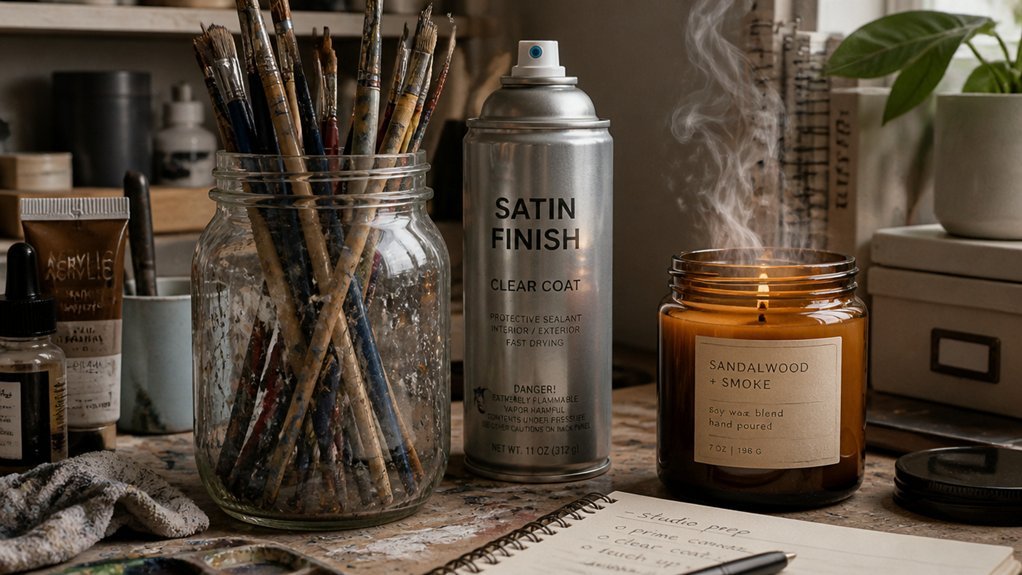
Fresh paint can keep releasing VOCs for days or even weeks after you finish a room, and that off-gassing can build up indoors. You can also get hidden VOCs from finishes and sealants on floors, cabinets, and trim, especially when they’re new. If you’re updating your home, choose low-VOC products and ventilate well while they cure. Properly maintaining air quality during and after renovations helps reduce exposure to harmful chemicals.
Paint Off-Gassing
Even after a wall looks dry and the room smells “new,” paint can keep releasing VOCs for days, weeks, or even longer, especially from primers, sealants, varnishes, and specialty coatings. You may not notice the fumes at first, but they can linger in still air and build up indoors. | What you observe | What it may mean | What you can do |
| — | — | — |
|---|---|---|
| Fresh odor | Ongoing off-gassing | Open windows |
| Headache | Indoor VOC exposure | Leave the room |
| Eye irritation | Sensitive response | Ventilate longer |
| Slow drying | More emissions | Wait before use |
Choose low-VOC products when you can, and give each coat time to cure before you sleep, work, or keep kids nearby.
Finishes And Sealants
Finishes and sealants can keep releasing VOCs long after the surface feels dry, especially with varnishes, lacquers, polyurethane, and waterproofing products. You may notice the odor first, but the chemicals can linger in your air for days or even weeks.
When you refinish furniture, floors, or trim, you’re sealing in a source of pollution that slowly escapes back into your home. Choose low-VOC or water-based products whenever you can, and check labels before you buy.
Open windows, run exhaust fans, and keep the area well ventilated during and after application. If you can, let new finishes cure outdoors or in a garage before bringing them inside.
Additionally, some finishes contain dampness indicators that can help you identify when moisture levels are appropriate for interior use. Small choices here can cut your exposure and make your home healthier.
VOC Sources in Furniture and Carpets
Your furniture can keep releasing VOCs long after it arrives, especially if it’s made with pressed wood, glues, or synthetic finishes.
Carpets can add more chemicals to the air through adhesives, padding, and backing materials.
If you’re trying to cut indoor pollution, these hidden sources are worth checking first.
Choosing accurate and reliable hygrometers can help you monitor and manage indoor humidity effectively, reducing the risk of VOC-related issues.
Furniture Off-Gassing
Furniture can quietly release VOCs into your home long after you bring it inside, especially when it’s made with pressed wood, adhesives, foam cushions, synthetic fabrics, or stain-resistant treatments. You may notice stronger odors when new items arrive, but off-gassing can continue for months.
To lower exposure, air out new furniture before you use it, keep windows open when possible, and choose low-VOC or Greenguard-certified products. You can also avoid pieces with heavy chemical finishes and opt for solid wood, natural fabrics, and simpler construction.
Vacuum upholstered surfaces regularly to remove dust that can hold chemicals, and use a HEPA air purifier to help reduce lingering pollutants. If you shop carefully and ventilate well, you’ll make your home cleaner and more comfortable.
HEPA air filters are particularly effective at capturing fine particulate matter released from furniture, further improving indoor air quality and reducing VOC-related health risks.
Carpet Adhesives
Carpet adhesives can be a hidden VOC source, especially when new carpet is installed or old adhesive starts breaking down. You may notice a strong chemical smell right after installation, and that odor often signals solvents and other VOCs releasing into your air.
Warm rooms can speed that release, so you might smell it more on hot days. To reduce exposure, ask for low-VOC adhesives before installation and keep windows open when you can.
If you’re replacing old flooring, make sure installers remove degraded glue carefully and clean the subfloor thoroughly. Air purifiers can help, but ventilation matters most. When you choose safer products and let materials cure fully, you can limit what your family breathes indoors.
Understanding how volatile organic compounds behave in different environmental conditions can help you take better precautions.
Padding And Backing
Cushioning layers and hidden liners can quietly add VOCs to indoor air, even when the visible fabric looks harmless. When you buy carpets, rugs, or upholstered furniture, you’re often getting foam, latex, or synthetic backing that can off-gas solvents and plasticizers for weeks.
To cut exposure, you can:
- Ask for low-VOC or certified products.
- Air out new items in a garage or spare room.
- Choose natural fiber padding when possible.
- Vacuum and ventilate regularly to speed dissipation.
You may notice the strongest odor right after installation, but smaller emissions can linger. If you’re sensitive, skip bargain padding and dense foam cores. Better materials help you keep your home fresher and reduce the invisible pollutants that settle into your living space.
Cleaning Products and Air Fresheners
Even when a room looks clean, many household cleaners and air fresheners can release VOCs into the air as you use them. You may spray, wipe, or plug in a scent booster and still breathe in chemicals that linger long after the smell fades. Choose fragrance-free or low-VOC products when you can, and open windows to help dilute fumes.
| Common source | Why it matters |
|---|---|
| Spray cleaners | They can disperse VOCs quickly |
| Scented sprays | They add fragrance chemicals to air |
| Plug-ins | They release VOCs for hours |
| Wipes and degreasers | They can off-gas during use |
If you need odor control, try ventilation, baking soda, or unscented options instead. Small swaps can cut your exposure and keep indoor air cleaner.
Kitchen, Laundry, and Personal Care VOCs
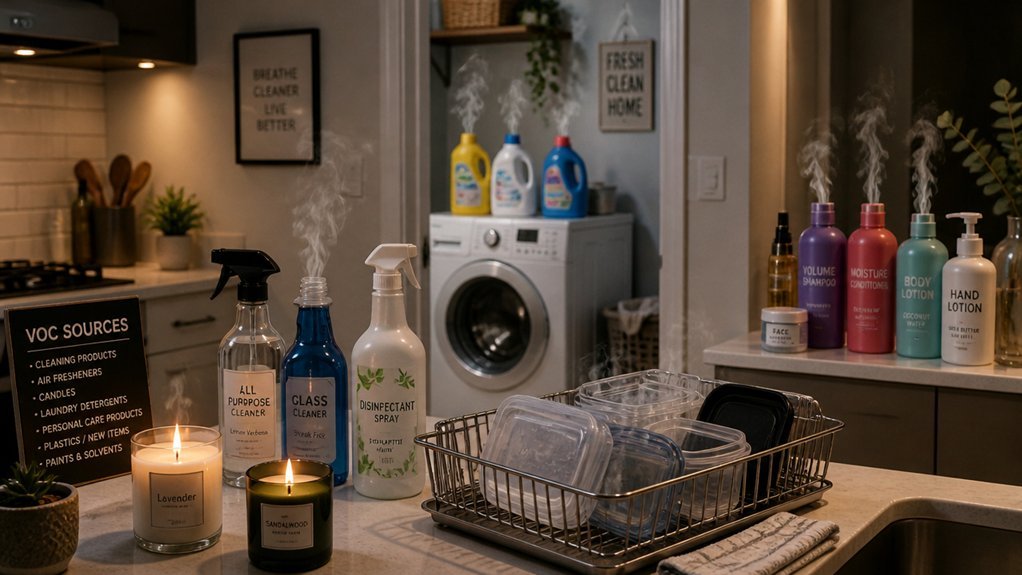
VOCs aren’t limited to cleaners and air fresheners; they also show up in places you use every day, like the kitchen, laundry room, and bathroom.
In your kitchen, fuel from gas stoves, heated oils, and stored solvents can release fumes. Laundry products often contain fragrances and solvents that linger on clothes and in the air. Personal care items, from hairspray to nail polish, can off-gas chemicals while you get ready.
Watch for these common sources:
- Cooking oils and smoke
- Gas appliances
- Scented detergents and dryer sheets
- Aerosols, perfumes, and polish
These everyday products can quietly add to indoor VOC levels, especially when you use several at once.
Fast Ways to Reduce VOCs at Home
You can lower VOCs fast by cutting the biggest sources first: open windows when you cook, run exhaust fans, and turn on bathroom and kitchen ventilation whenever you use products that smell strong.
Swap spray cleaners, air fresheners, and solvent-based products for low-VOC or fragrance-free versions, and only use what you need.
Seal leftover paints, adhesives, and fuels in tightly closed containers, then move them to a garage or outdoor storage area if local rules allow it.
Wash new fabrics, wipe dusty surfaces, and vacuum with a HEPA filter to remove trapped chemicals.
Keep indoor humidity moderate, since damp spaces can release more emissions.
If possible, air out new furniture and remodeling materials before you bring them inside.
Frequently Asked Questions
How Can I Tell if My Home Has VOCS?
You can’t always see VOCs, but you may notice strong odors, headaches, dizziness, eye or throat irritation, or worsening allergies. Use a home air quality test, inspect products, and ventilate rooms regularly.
Are VOCS Harmful to Pets and Children?
Yes, VOCs can harm your pets and children because they breathe faster and may absorb more pollutants. You should watch for coughing, irritation, headaches, or lethargy, and improve ventilation quickly.
Can Indoor Plants Reduce VOC Levels?
Yes, you can use indoor plants to help slightly reduce VOC levels, but they won’t solve the problem alone. You’ll get better results by improving ventilation, removing sources, and using air cleaners too.
Do Air Purifiers Remove All VOCS?
No, you can’t rely on air purifiers to remove all VOCs. You’ll reduce some with activated carbon filters, but ventilation matters too, and many purifiers barely affect certain gases or chemical fumes.
How Often Should I Test Indoor Air for VOCS?
You should test indoor air for VOCs every 6 to 12 months, and sooner after renovations, new furniture, or odors. If you’ve got symptoms or concerns, test more often to catch problems early.
In Summary
Now that you know the hidden sources of VOCs in your home, you can start making smarter choices every day. Check labels, air out new products, and swap in low-VOC paints, cleaners, and finishes whenever you can. Don’t forget that furniture, carpets, laundry products, and even personal care items can add to the problem. Small changes can make your indoor air cleaner, fresher, and healthier for you and your family.