You can keep your home fresh in winter without wasting heat by airing out rooms for 5 to 10 minutes, opening windows just enough for a quick air swap. Use bathroom and kitchen exhaust fans only when needed, and run an HRV if you have one. Set ceiling fans low and clockwise, keep interior doors open for airflow, and use cross-breezes on mild days. Lower indoor moisture with a dehumidifier, and you’ll find even more ways to stay comfortable.
Open Windows Briefly to Refresh Winter Air
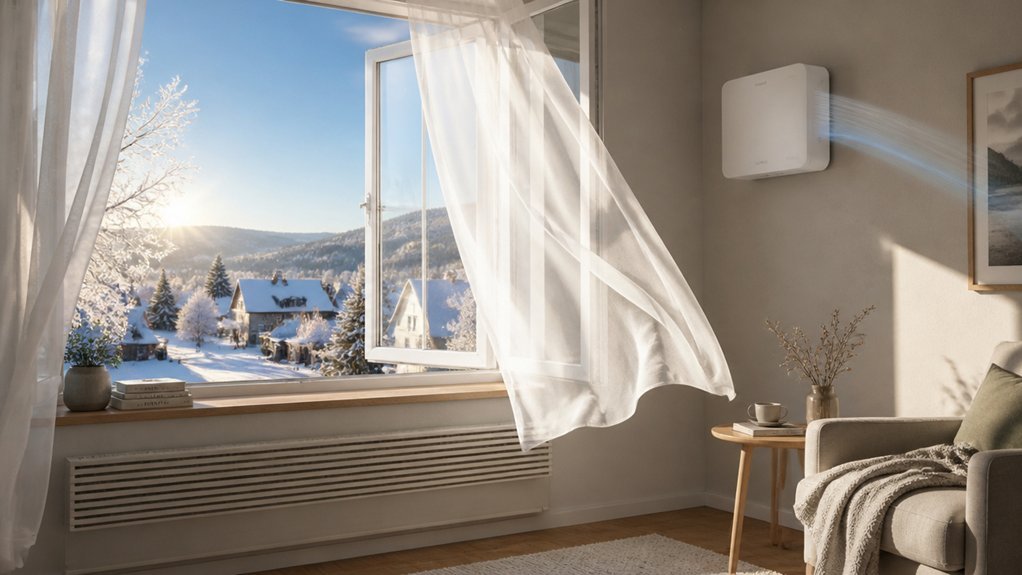
Even in winter, you can open your windows for a few minutes to let stale indoor air escape and bring in a fresh, cleaner breeze. Pick a time when the outside air feels dry and the indoor temperature won’t drop too much.
Crack two windows on opposite sides of your home if you can, so you create a quick cross-breeze that clears lingering odors and humidity faster. Set a timer for five to ten minutes, then close everything before the room cools noticeably.
If you’ve been cooking, cleaning, or using candles, a short burst of ventilation can make your space feel brighter and healthier without wasting much heat. Regular airing helps reduce indoor pollutants and maintains good air quality for your health. Repeat this routine once or twice a day, especially in rooms that feel stuffy, and you’ll keep air moving all winter.
Use Exhaust Fans Without Losing Heat
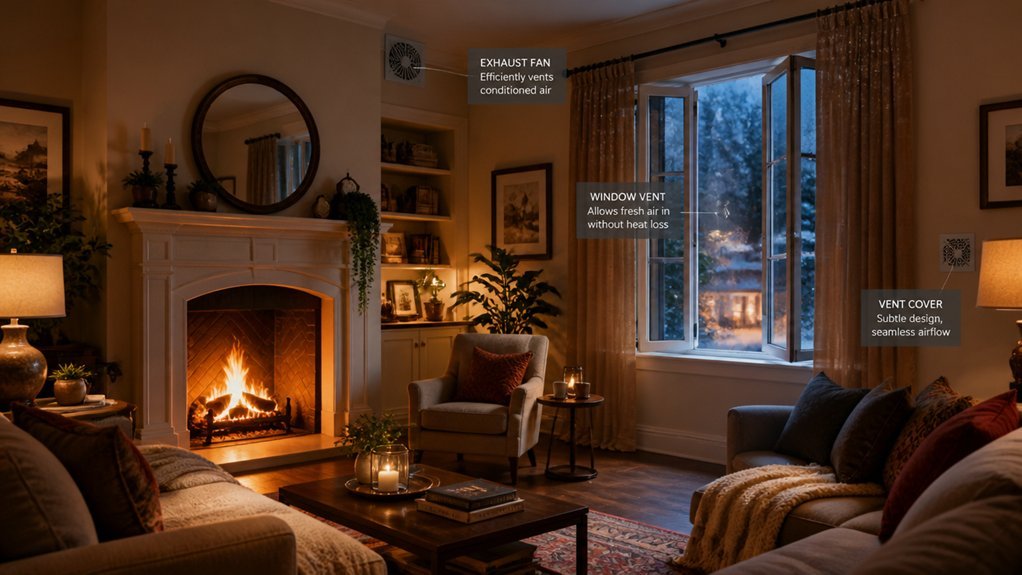
Bathroom and kitchen exhaust fans can clear moisture, odors, and cooking fumes fast, but you don’t want them running longer than necessary in winter. Turn them on only when you need them, and switch them off as soon as the air clears.
Use the lowest effective setting, especially after showering or cooking, so you vent only what’s necessary. If your fan has a timer, set it for a short run after you finish. You should also keep doors closed while the fan works so it pulls stale air from the right room instead of from the whole house.
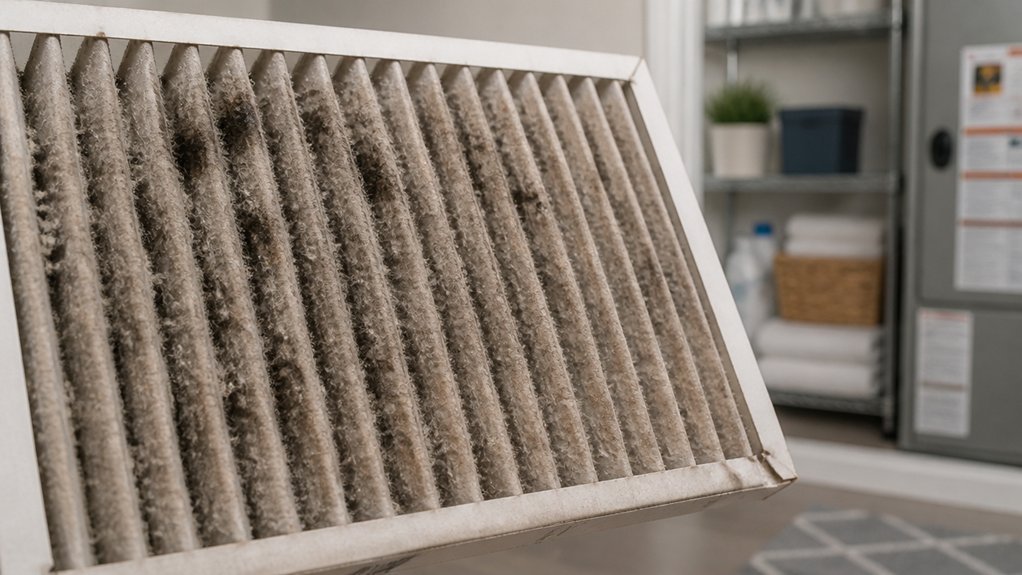
Clean fan grilles and blades regularly so they move air efficiently. A well-maintained fan does its job quickly, which helps you remove humidity without letting much warm air escape. Additionally, choosing a fan with Humidity Sensors that automatically adjust airflow can further prevent unnecessary heat loss during winter months.
Run a Heat Recovery Ventilator in Winter
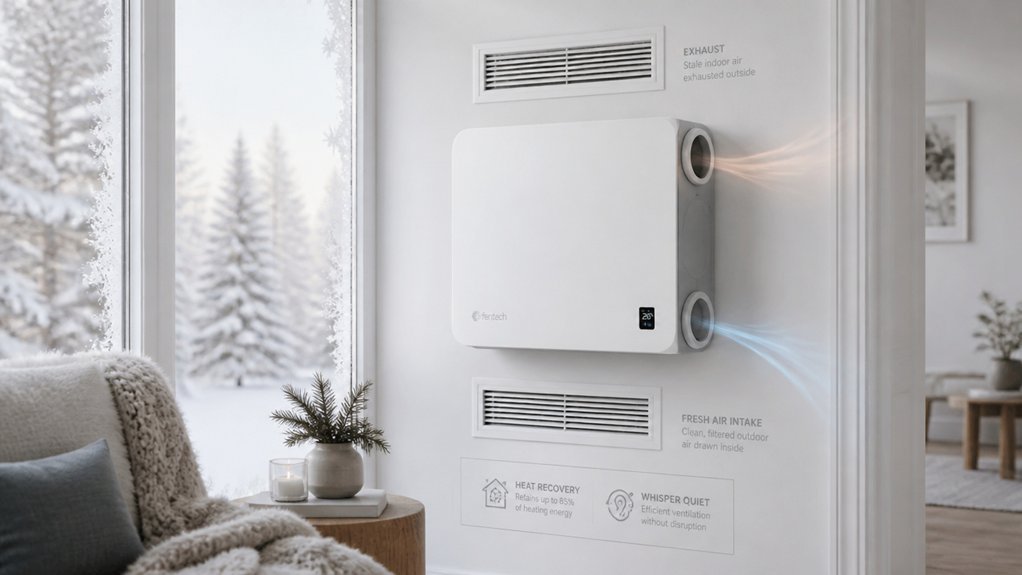
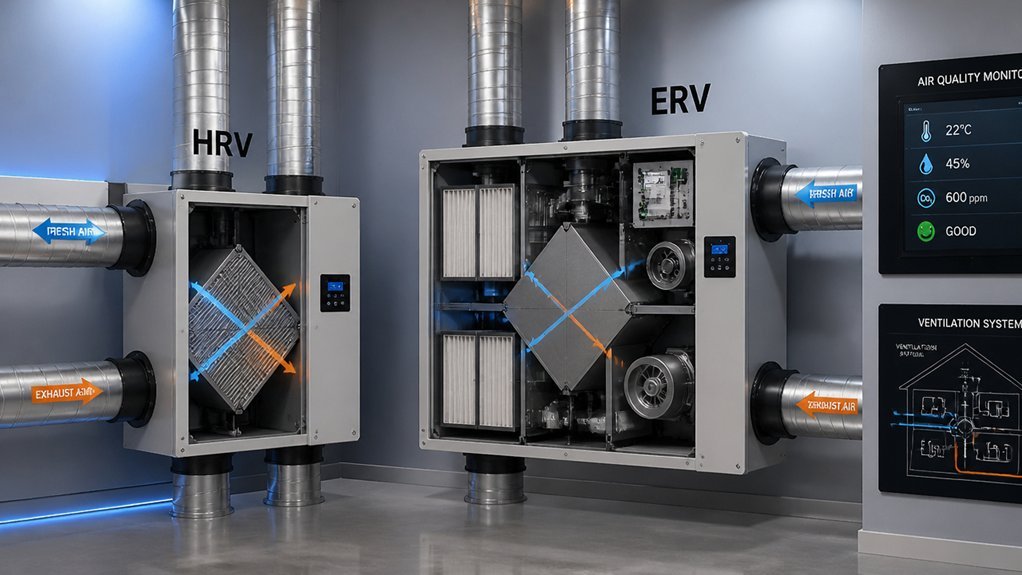
A heat recovery ventilator pulls stale indoor air out and brings fresh air in while it reuses much of the heat, so you don’t waste energy. In winter, that can help you keep your home ventilated without making rooms feel cold or drafty. To get the best results, you’ll want to install it properly and keep up with basic maintenance. Regularly monitoring indoor air quality with a CO2 monitor can help you identify when ventilation is needed to improve air freshness without compromising heat.
HRV Basics
In winter, a heat recovery ventilator (HRV) helps you bring in fresh outdoor air without dumping all your indoor heat. You use it to exchange stale indoor air for filtered outdoor air while the system transfers warmth from the outgoing stream to the incoming one. That means you can ventilate your home more consistently than by cracking a window. Most HRVs run quietly in the background, and you can set them on timers, humidistats, or continuous modes. Keep vents clear, clean or replace filters, and check the core and drain so airflow stays steady. If your home feels stuffy, or moisture lingers on windows, an HRV can help you refresh the air without making your rooms feel drafty or uncomfortable. Regular maintenance ensures accurate and efficient operation, especially with sensor technology now used in advanced models.
Winter Efficiency Benefits
Running a heat recovery ventilator in winter helps you save energy while keeping fresh air moving through your home. Instead of dumping warm indoor air outside, you reclaim much of its heat, so your furnace works less. You also reduce drafts because the unit tempers incoming air before it spreads through rooms.
- You cut heating demand by reusing outgoing warmth.
- You keep humidity more balanced, which can make air feel less dry.
- You improve air quality without cracking windows and losing heat.
That means you can ventilate regularly without paying a big comfort penalty. In cold weather, this efficiency helps you breathe easier, lower utility costs, and maintain a steadier indoor temperature all season long.
Installation And Maintenance
To get those winter efficiency gains, you’ll want your heat recovery ventilator installed and maintained the right way. Put it where ducts stay short, sealed, and insulated, and make sure the intake and exhaust vents are clear of snow. You should balance airflow so the unit exchanges stale indoor air without overcooling rooms.
| Task | Why it matters |
|---|---|
| Clean filters | Keeps airflow strong |
| Check vents | Prevents blockage |
| Inspect core | Preserves heat transfer |
| Service fans | Reduces energy waste |
You’ll also want to inspect condensate drains, because winter moisture can freeze and back up. Schedule a professional tune-up once a year, and test the controls after heavy storms. When you maintain your HRV well, it’ll ventilate your home efficiently all season. Regularly monitoring and optimizing your system’s performance ensures sustained energy savings and indoor comfort.
Circulate Indoor Air With Ceiling Fans
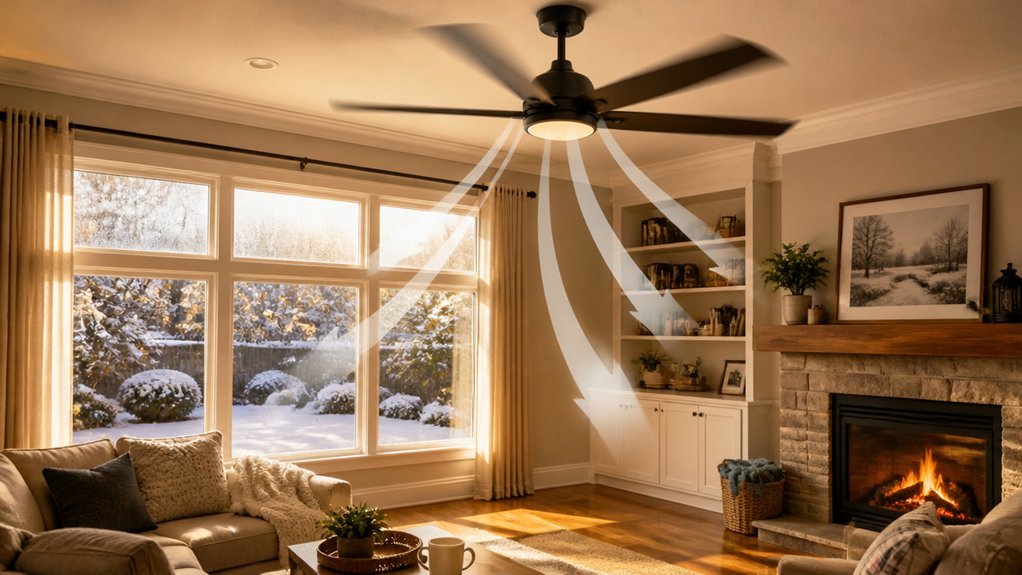
Give your ceiling fans a winter setting so they spin clockwise at a low speed and gently push warm air back down into the room. You’ll feel steadier comfort because the fan mixes trapped heat instead of letting it pool near the ceiling.
Set ceiling fans to spin clockwise at a low speed, gently pushing warm air back down for steadier comfort.
Run it only when you need better circulation, and keep the speed low so you don’t create a chilly draft.
- Flip the switch on each fan to reverse the blade direction.
- Set the speed to the lowest setting that still moves air.
- Use the fan in occupied rooms to even out temperatures.
- Regularly monitor indoor temperature and humidity levels with a reliable digital hygrometer to optimize your ventilation strategy.
This simple step helps your heating system work more efficiently, and you may lower your thermostat a bit without sacrificing comfort.
Keep Interior Doors Open for Better Airflow
Once your ceiling fans are moving warm air around, keep interior doors open so that air can flow more freely from room to room. You’ll help heated air spread evenly, which can reduce cold spots and make your home feel more comfortable without cranking up the thermostat.
Leave bedroom, hallway, and closet doors open during the day when privacy isn’t needed, and open doors between occupied spaces so stale air doesn’t get trapped. If a room tends to stay chilly, keeping the door open lets your heating system work more efficiently there too.
Proper ventilation can also help reduce humidity levels, preventing issues like mold growth and ensuring your home’s air quality stays high.At night, close doors only where you need privacy or noise control, then reopen them in the morning. This simple habit supports steady airflow and helps your home feel warmer overall.
Use Cross-Breezes to Ventilate Your Home

On milder winter days, you can use cross-breezes to refresh your home without losing too much heat. Open two windows on opposite sides of your house for 5 to 10 minutes, and let moving air swap out stale indoor air fast.
You’ll feel the change quickly, especially if you keep the openings small.
- Open windows in rooms with the best airflow path.
- Crack them just enough to create steady movement.
- Close them as soon as the air feels fresh.
You can also open a door between rooms to guide the breeze. Do this when the sun’s out or outdoor temperatures are less harsh.
Lower Indoor Moisture to Reduce Stale Air
If your home feels stuffy in winter, too much indoor moisture may be part of the problem. When humidity climbs, air can seem heavy and stale, even with the heat on. You can lower moisture by running bathroom and kitchen fans, covering pots while cooking, and drying clothes elsewhere. A dehumidifier helps, too, especially in damp basements or bedrooms. Keep indoor humidity around 30% to 40% for comfort.
| Source | What you can do |
|---|---|
| Showers | Use the exhaust fan |
| Cooking | Cover pans |
| Laundry | Dry clothes outside living areas |
| Plants | Water less often |
| Windows | Wipe off condensation |
As moisture drops, stale odors fade and fresh air moves more easily through your rooms.
Frequently Asked Questions
How Often Should I Ventilate My Home in Winter?
You should ventilate your home daily, ideally two to three times for 5 to 10 minutes each. If you cook, shower, or notice condensation, ventilate more often to keep air fresh and moisture down.
Does Winter Ventilation Increase Heating Bills Significantly?
Usually, no—you won’t see a huge jump if you ventilate briefly and strategically. You’ll lose some heat, but you can keep bills manageable by airing out rooms for short bursts and turning down heat slightly.
Which Rooms Need the Most Fresh Air in Winter?
You should prioritize bathrooms, kitchens, laundry rooms, and bedrooms, since they build up moisture, odors, and carbon dioxide fastest. You’ll also want fresh air in any room where you cook, shower, sleep, or work often.
Can Indoor Plants Help Improve Winter Air Quality?
Yes, you can use indoor plants to modestly improve air quality, but they won’t replace ventilation. You’ll still need fresh air to reduce moisture, odors, and pollutants that plants can’t fully remove.
How Do I Know if My Home Needs More Ventilation?
You’ll know your home needs more ventilation if you notice persistent condensation, musty odors, stuffy air, or mold growth. You may also feel headaches, irritation, or damp rooms after cooking, showering, or sleeping.
In Summary
Keeping your home fresh in winter doesn’t have to mean losing warmth. By opening windows briefly, using exhaust fans wisely, running a heat recovery ventilator, and improving airflow with fans and open doors, you can balance comfort and ventilation. You can also use cross-breezes and control moisture to reduce stale air. Small changes make a big difference, so try a few of these methods and enjoy cleaner indoor air all season.