You can spot early mold signs in your home by watching for a musty, damp smell, dark or patchy spots on walls and ceilings, and condensation on windows or pipes. You may also notice peeling paint, bubbling wallpaper, warped wood, swollen cabinets, damp bathroom or basement patches, and allergy symptoms like sneezing, coughing, or watery eyes that improve when you leave the room. If you know what to look for, the clues get even clearer.
Musty Odors as Mold Signs
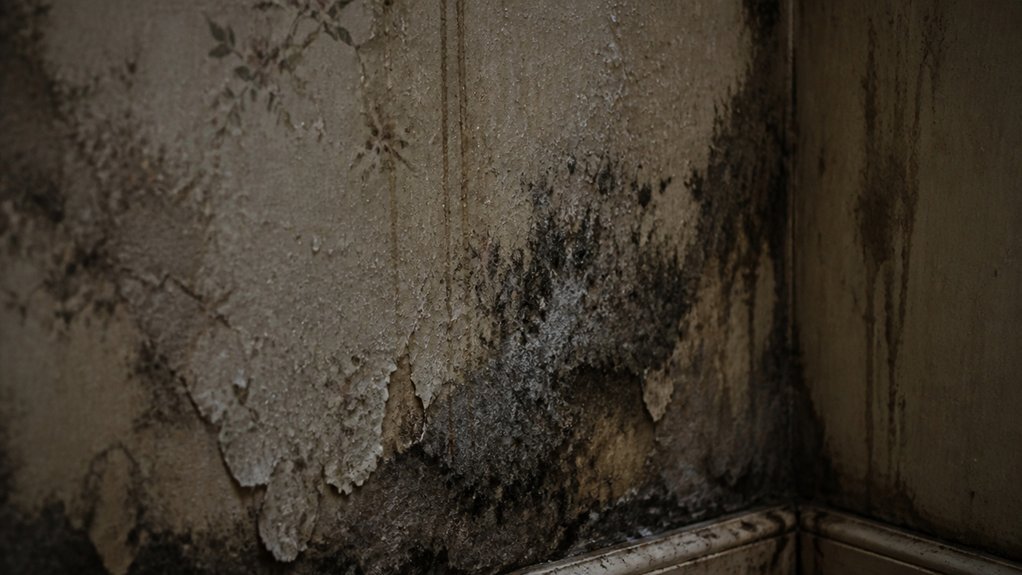
If you notice a damp, stale smell that lingers even after you clean, you could be dealing with mold. You might catch it in closets, basements, bathrooms, or around sinks, and it often grows stronger when the air feels humid.
Trust your nose; this odor can signal hidden moisture that mold feeds on. Don’t mask it with sprays or candles, because they only cover the smell. Instead, track where the odor is strongest, check for leaks, and improve airflow with fans or open windows.
You should also look for damp materials, such as wet drywall, carpet, or insulation, since mold can develop there quickly. If the smell stays, call a professional to inspect the area and stop the source. Regular testing with mold test kits can help identify hidden mold spores that are not visible to the eye.
Visible Discoloration on Walls and Ceilings
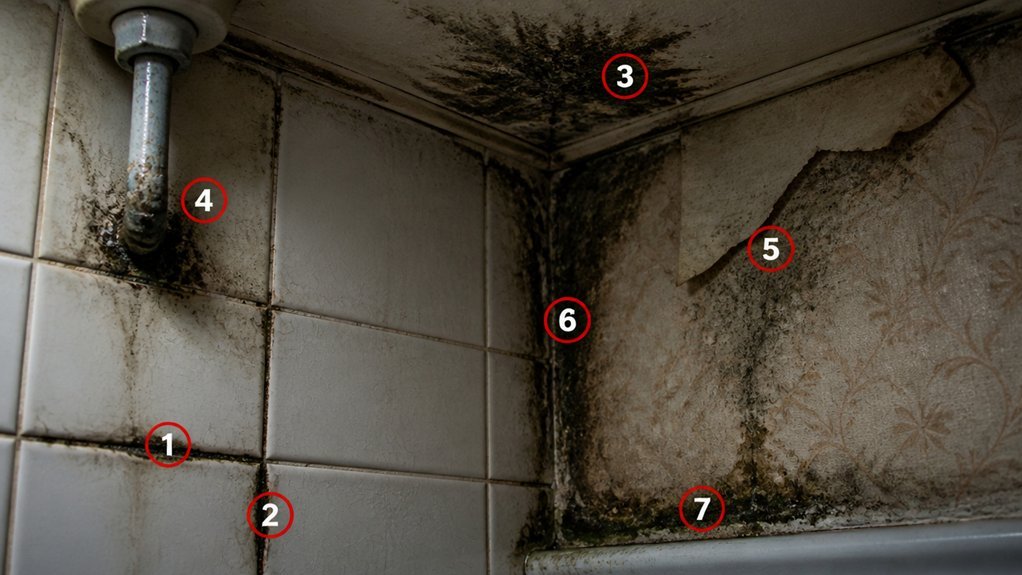
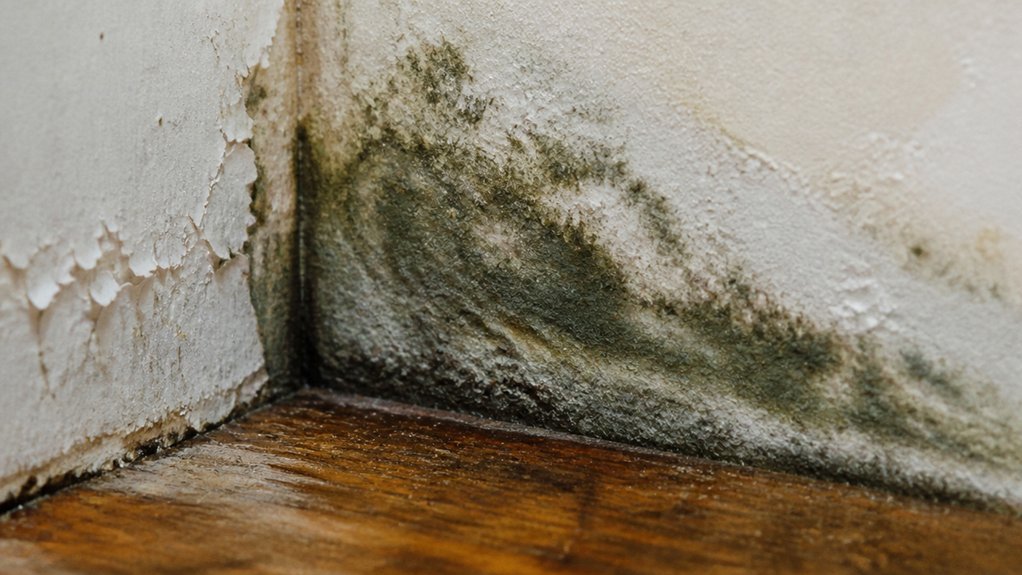
You might notice common color changes on your walls or ceilings, like yellow, brown, green, or black patches. These stains often show up in uneven, patchy areas that don’t match the rest of the surface. On ceilings, you may see spot patterns that spread or cluster around corners, seams, or leaks. Monitoring moisture levels with a moisture meter can help identify hidden dampness that contributes to mold growth behind walls or ceilings.
Common Color Changes
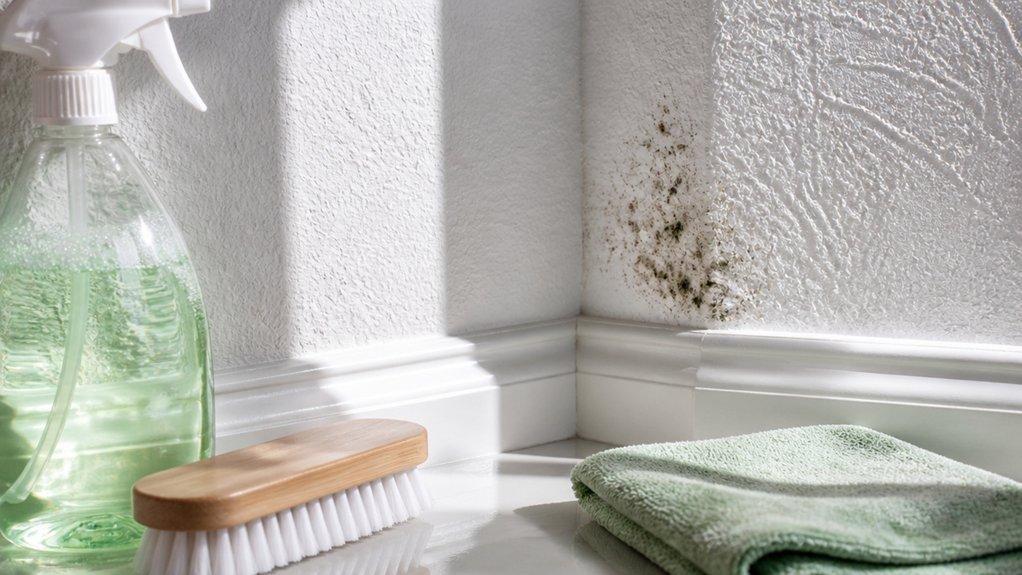
Common mold often starts as subtle discoloration on walls and ceilings, showing up as small black, green, brown, or even white patches that don’t wipe away easily. You might notice these changes near bathrooms, windows, or damp corners, where moisture lingers and paint loses its normal look. A digital hygrometer can help you monitor indoor humidity levels to prevent conditions conducive to mold growth.
| Color | What you may notice |
|---|---|
| Black | Dark spots that stand out |
| Green | Soft, muted discoloration |
| Brown | Rusty or earthy tint |
| White | Pale film that blends in |
These color shifts can appear faint at first, then become clearer over time. If you see them, check for leaks, humidity, or condensation right away. Acting quickly helps you limit further growth and protect your home before the problem spreads.
Patchy Wall Stains
Patchy wall stains often appear as uneven, blotchy areas that look darker, duller, or slightly discolored compared with the surrounding paint. You might notice them near sinks, windows, or other damp spots where moisture lingers. These stains can spread slowly, making a clean wall look tired and neglected. If you see them, act quickly and check for leaks, condensation, or past water damage. Don’t scrub blindly; you could miss the source.
To better evaluate the extent of moisture intrusion, consider using a moisture absorber—like those with activated charcoal or calcium chloride—that can help detect and control excess humidity moisture absorption capacity.
- Compare the stain to nearby paint for changes.
- Feel the area for dampness or softness.
- Look for recurring discoloration after cleaning.
- Fix moisture problems before repainting.
Ceiling Spot Patterns
Ceiling spots often show up as faint rings, brown patches, or uneven discoloration that stands out against a once-clean surface. You might notice them near vents, corners, or light fixtures, especially after leaks or high humidity.
If the spot keeps spreading, darkens, or reappears after cleaning, moisture may be feeding mold behind the finish. Watch for patterns that follow a roof line, plumbing run, or bathroom ceiling, since those clues can point to the source.
Don’t just paint over the stain; you’ll hide the warning and let the problem grow. Instead, check for damp insulation, peeling paint, or a musty smell.
When you catch these ceiling patterns early, you can fix the moisture issue before mold damages more surfaces and spreads. Regular monitoring with indoor air quality monitors can help detect elevated humidity or VOCs that contribute to mold growth.
Condensation on Windows and Pipes
When warm, moist air meets cold windows or pipes, it cools and leaves behind water droplets. A dehumidifier can help control excess moisture and prevent condensation buildup. You’ll often see this in rooms with poor ventilation or high humidity, where moisture lingers on surfaces. Those damp spots can quickly create the right conditions for mold to start growing.
Why Condensation Forms
Condensation forms when warm, moist air hits a colder surface, causing water vapor to turn into liquid droplets on windows and pipes.
You’ll notice it most when indoor air holds lots of moisture and a surface cools faster than the air around it. Everyday activities like cooking, showering, and even breathing can add humidity, and if your home stays cool, that moisture settles out.
- Warm air carries invisible water vapor.
- Cold glass or metal lowers the air’s temperature.
- Cooler air can’t hold as much moisture.
- Extra vapor becomes droplets you can see.
If you wipe it away, but it keeps returning, you’re seeing a simple temperature difference at work, not a random problem.
Damp Areas Mold Risk
Even a little moisture can turn into a bigger mold risk if it keeps showing up on windows, pipes, or other cool surfaces. You might notice beads of water on glass in the morning or damp rings around plumbing under sinks. Those spots give mold the moisture it needs to start growing fast, especially if air doesn’t move well.
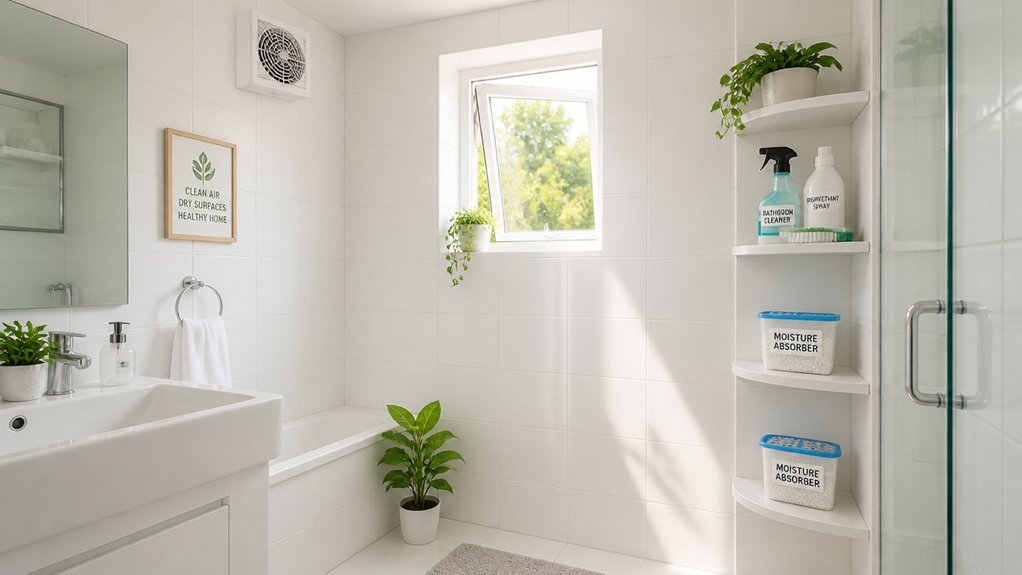
Wipe away condensation as soon as you see it, and dry nearby surfaces completely. If pipes sweat often, add insulation and check for hidden leaks. Open a window, run exhaust fans, or use a dehumidifier to lower indoor humidity.
When you stay ahead of damp areas, you cut off one of mold’s easiest entry points and protect your home from spreading damage.
Peeling Paint and Bubbling Wallpaper
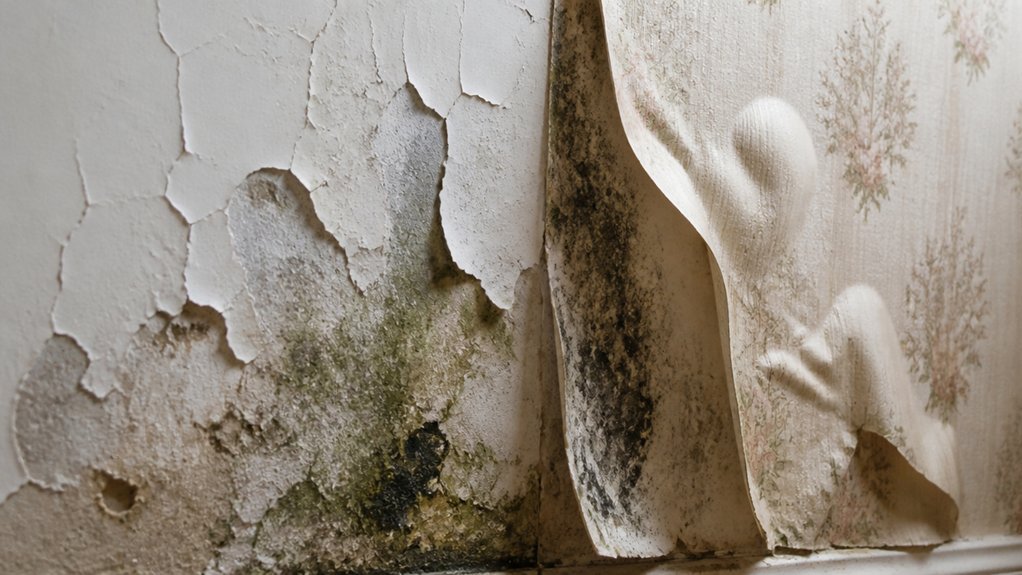
If you notice paint peeling or wallpaper bubbling, moisture may be getting trapped behind the surface. You shouldn’t ignore these changes, because mold often grows where dampness lingers unseen.
Check nearby windows, pipes, and walls for leaks or condensation that can feed the problem.
- Inspect the area closely for soft spots, stains, or a musty smell.
- Dry the surface quickly and improve airflow with fans or open windows.
- Fix the source of moisture before you repaint or rehang wallpaper.
- Watch the spot for return damage, since mold can keep spreading.
When you act early, you protect your home and make cleanup easier. Small dehumidifiers can help reduce excess humidity and prevent mold growth in these problem areas.
Warped Wood and Swollen Materials
Warped wood and swollen materials can be a clear sign that moisture has seeped into your home. You might notice doors that stick, baseboards that buckle, or cabinets that no longer close properly. When wood absorbs too much dampness, it expands and loses its shape, and particleboard or drywall can puff up fast. Check these areas regularly:
| Area | What You May See | Why It Matters |
|---|---|---|
| Floors | Cupping or warping | Moisture may be trapped below |
| Doors | Sticking or misalignment | Wood has expanded |
| Cabinets | Swelling at edges | Water exposure is likely |
If you spot these changes, act quickly. Dry the area, find the leak, and repair the source before mold has a chance to spread.
Indoor Allergies That Get Worse
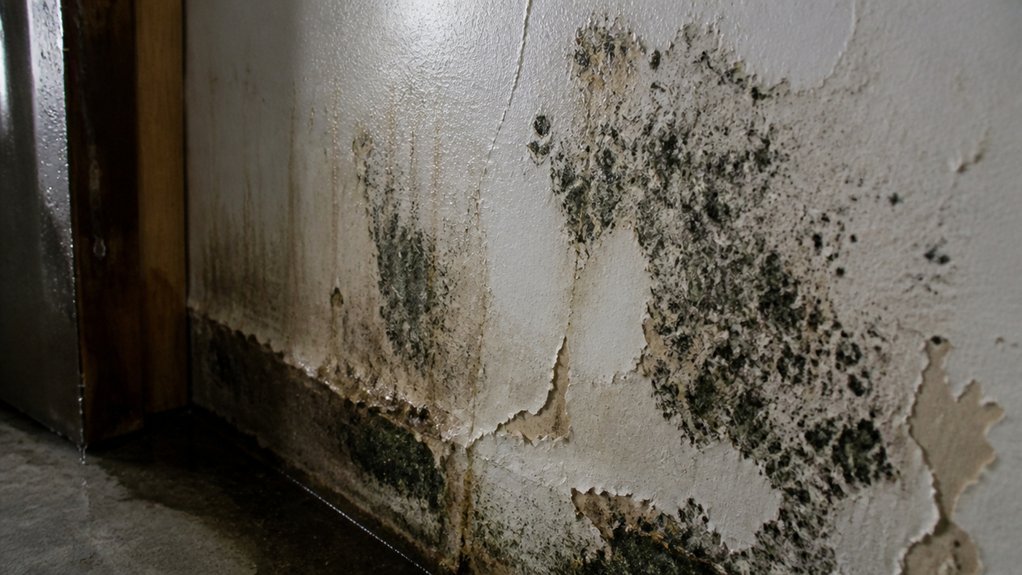
When mold is present, your allergy symptoms may get worse indoors instead of easing up. You might notice more sneezing, itchy eyes, a runny nose, or a scratchy throat after spending time inside.
If you already have asthma or seasonal allergies, mold can make those issues feel harder to control.
Watch for these signs:
- You sneeze more at home than outside.
- Your eyes water or burn indoors.
- You cough, wheeze, or feel chest tightness.
- You feel better soon after leaving the house.
Don’t ignore patterns that keep returning in the same rooms. Mold can trigger irritation even when you can’t see it.
Pay attention to when symptoms flare, and you’ll spot a warning sign early.
Damp Patches in Bathrooms and Basements
Another clear warning sign is damp patches that keep showing up in bathrooms and basements. You might notice dark spots on walls, ceilings, or floors that never fully dry, even after you clean or ventilate the area.
These patches often appear near showers, sinks, drains, foundation walls, or around windows, where moisture lingers. In bathrooms, steam can soak surfaces, while basements trap cool, humid air and let water seep through concrete.
If you see peeling paint, soft drywall, or a musty smell along with the moisture, mold may already be growing behind the surface. Pay attention to patches that return after rain or heavy use of water, because repeated dampness creates the perfect conditions for mold to spread quietly in your home.
What to Do If You Spot Mold Signs
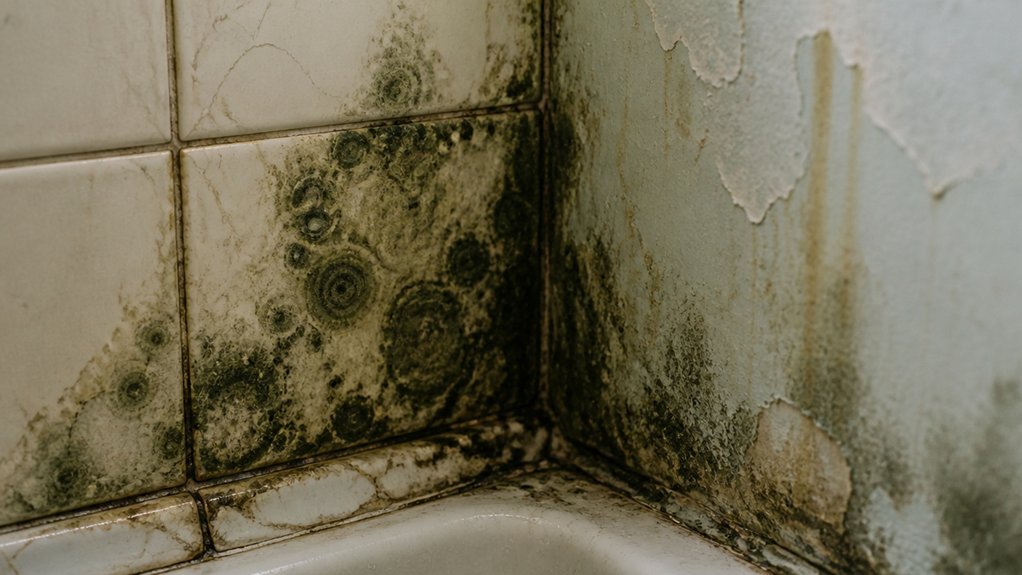
If you spot mold signs, act quickly so the problem doesn’t spread. First, find the moisture source, such as a leak, condensation, or poor ventilation, and stop it right away.
Next, isolate the area by closing doors and avoiding unnecessary traffic to limit spore spread.
Then, clean small spots with soap and water, wearing gloves and a mask; for larger growth, call a mold remediation pro.
Finally, dry the space completely with fans, dehumidifiers, and fresh air, then monitor it for return.
- Check for hidden leaks.
- Protect yourself with gear.
- Clean or remove affected materials.
- Keep humidity low afterward.
Frequently Asked Questions
How Quickly Can Mold Start Growing After Water Damage?
Mold can start growing within 24 to 48 hours after water damage, and you’ll see faster growth if conditions stay warm and damp. You should dry everything quickly and fix the leak immediately.
Can Mold Hide Inside Walls Without Visible Signs?
Yes, mold can hide inside walls without visible signs. You might notice musty odors, discoloration, or peeling paint later. If you’ve had water damage, you should inspect promptly and call a professional if needed.
What Health Risks Are Linked to Mold Exposure?
You can develop allergies, coughing, wheezing, eye irritation, headaches, and skin rashes from mold exposure. If you have asthma or a weakened immune system, it can also trigger more serious respiratory problems quickly.
Does Air Conditioning Help Prevent Mold Growth?
Yes, air conditioning can help you prevent mold by lowering humidity and improving airflow, but it won’t eliminate mold alone. You’ll still need to fix leaks, clean damp areas, and keep moisture levels low.
When Should I Call a Professional for Mold Testing?
You should call a professional for mold testing when you smell mustiness, see visible growth, or notice health symptoms after water damage. If you’re unsure or the area’s large, don’t wait; get expert help fast.
In Summary
If you notice musty smells, stains, condensation, or peeling surfaces, don’t ignore them. These early signs can mean mold is growing somewhere in your home. Pay attention to worsening allergies, damp areas, and warped materials, especially in bathrooms, basements, and around windows. The sooner you act, the easier it is to stop mold from spreading. Check for the source of moisture, fix it quickly, and call a professional if the problem seems serious.