Check your indoor air quality year-round by watching for odors, dust, dry eyes, headaches, or sticky air, and log changes each month. Test filters, vents, and HVAC for clogging, weak airflow, or leaks, and replace filters on schedule. Keep humidity between 30% and 50% to prevent mold and dryness. In spring, seal gaps for pollen; in summer, watch moisture; in fall, clean dust; and in winter, limit smoke and harsh cleaners—there’s more to uncover in each season.
Start With a Year-Round IAQ Routine
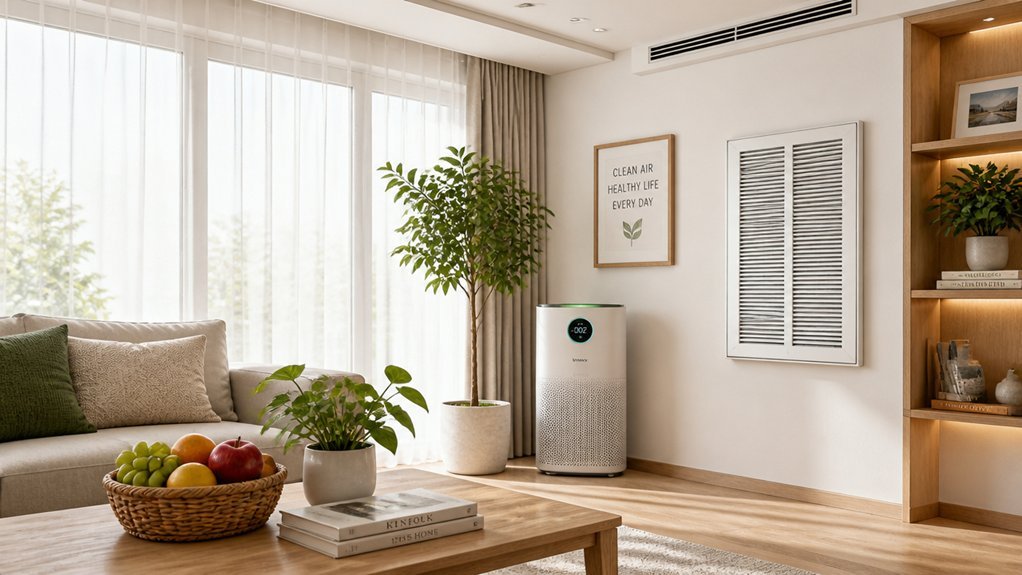
A steady indoor air quality routine keeps your home healthier all year, not just when the weather changes. You should build simple habits you can repeat every season, so problems don’t sneak up on you.
Start by noticing odors, dust buildup, humidity shifts, and signs of discomfort like dry eyes or coughing. Keep a log of changes in each room, especially after cooking, cleaning, or opening windows. Use the same checklist monthly so you can spot patterns faster.
When you stay consistent, you’ll catch issues early and respond before they affect comfort. Treat IAQ as part of normal home care, just like changing linens or wiping surfaces. That steady attention helps you maintain cleaner, fresher air without scrambling when conditions change.
Regular calibration of your air quality monitors and understanding sensor accuracy ensures reliable readings and better decision-making.
Test Air Filters and Ventilation
Next, check your air filters and ventilation so your routine actually moves clean air through the home. Pull each filter and look for dust buildup, bending, or dark spotting that signals it’s time to replace it.
Use the right size and rating for your system, and swap it on schedule so airflow doesn’t drop. Then, open supply and return vents and make sure furniture, rugs, and curtains aren’t blocking them.
Listen for weak airflow or rattling fans, which can point to a clogged duct or a struggling blower. If you use exhaust fans, run them long enough to clear stale indoor air after cooking or showering. A quick seasonal check helps your system work efficiently and keeps your rooms fresher.
Maintaining proper airflow is also essential for supporting filtration quality and preventing particulates from settling back into your indoor environment.
Monitor Humidity to Prevent Mold
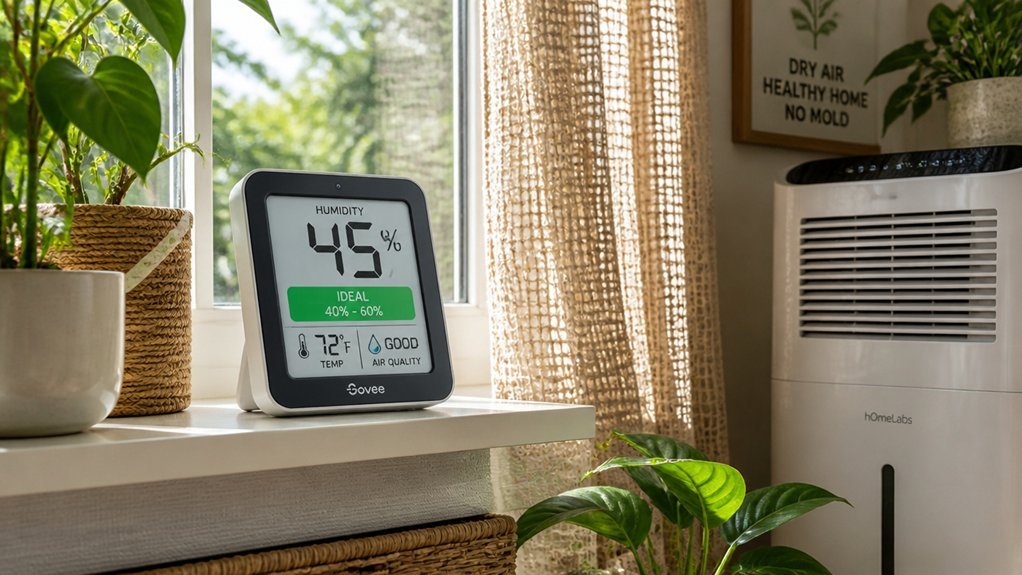
You should keep your indoor humidity between 30% and 50% to help protect your home. When moisture stays too high, mold can grow quickly on walls, ceilings, and other hidden surfaces. Use a hygrometer and adjust ventilation or a dehumidifier if levels start to rise. Regular monitoring with a reliable digital hygrometer can help you maintain optimal indoor conditions and prevent mold growth.
Ideal Humidity Range
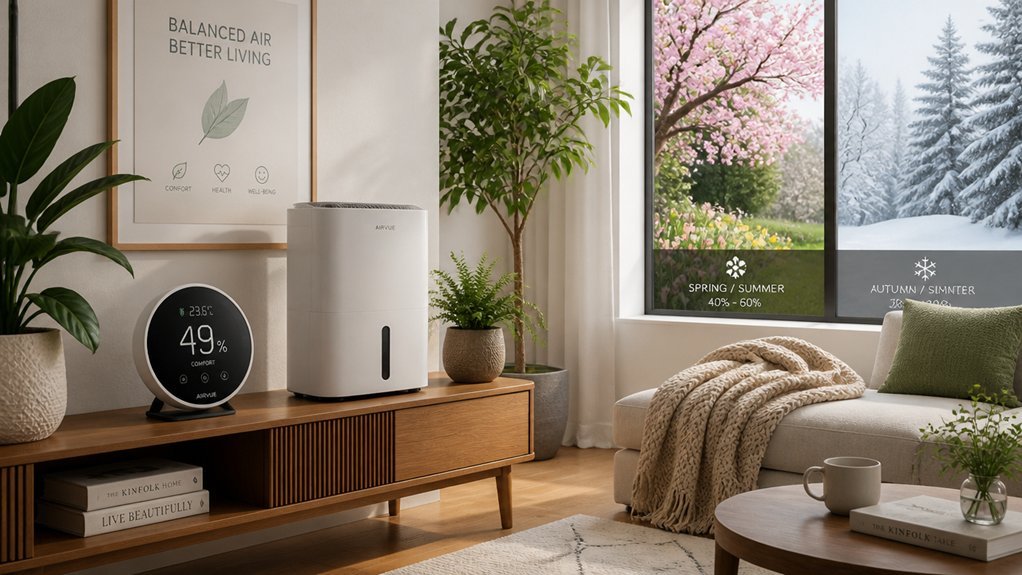
Keeping indoor humidity between 30% and 50% helps prevent mold growth and keeps your air more comfortable. You should aim for about 40% in winter and closer to 50% in warmer months, since air naturally holds more moisture then.
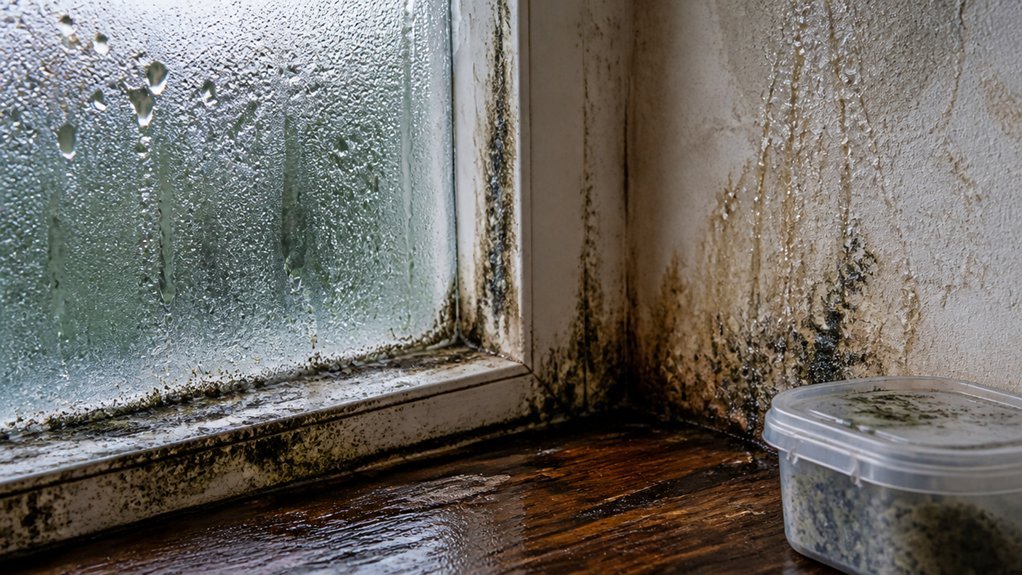
Use a hygrometer to check readings in living rooms, bedrooms, and basements, where levels can change fast. If the air feels sticky or condensation forms on windows, your humidity may be too high. If you notice dry skin, static shocks, or cracked wood, it may be too low.
Adjust your thermostat, ventilation, and humidifier settings as needed so you stay within range. Monitoring moisture removal capacity ensures your crawl space stays dry and prevents potential damage caused by excess humidity. By checking humidity regularly, you’ll protect your home’s comfort and support healthier indoor air all year.
Preventing Mold Growth
Humidity control does more than keep your home comfortable—it also helps stop mold before it starts. You should keep indoor humidity between 30% and 50% so damp air doesn’t settle on walls, windows, or fabrics.
Use a hygrometer to track levels, especially after showers, cooking, or rainy weather. If readings climb, run exhaust fans, open windows when conditions allow, and use a dehumidifier in basements or laundry rooms. Check hidden spots where moisture lingers, like under sinks, behind furniture, and around HVAC vents. Small dehumidifiers are particularly effective for targeted moisture control in confined spaces.
- A fogged bathroom mirror after a hot shower
- A cool basement corner with a musty smell
- A windowsill beaded with tiny droplets
Act fast when you spot condensation, because mold can spread quickly and damage your air quality.
Get Your Home Ready for Spring Allergens
As spring allergens start to rise, you can help keep them out by sealing gaps around windows, doors, and vents. You should also replace your HVAC filters so your system traps more pollen and dust. These quick steps can make your home feel cleaner and easier to breathe in. Regularly monitoring indoor air quality with a CO2 monitor can help you identify and address ventilation issues promptly.
Seal Entry Points
Before spring allergens start drifting indoors, you can cut down on dust, pollen, and other irritants by sealing the places they sneak in. Walk through your home and look for gaps around windows, doors, pipes, and vents. If you feel a draft or see daylight, close it up with caulk, weatherstripping, or foam sealant.
Pay attention to worn thresholds and cracked trim, since they often let in breezes loaded with outdoor debris. Tackle these spots on a dry day so repairs stick well and last longer. Using mold test kits can help identify hidden mold sources that may also be contributing to indoor allergens and air quality issues.
- A thin ribbon of caulk tracing a window frame.
- A snug door sweep brushing against the floor.
- Foam sealing a pipe opening in the basement wall.
These small fixes help keep your rooms quieter, cleaner, and easier to breathe in all season.
Replace HVAC Filters
Swap out your HVAC filter now so your system can trap more dust, pollen, and pet dander before spring allergens ramp up. A fresh filter helps your home breathe easier and keeps airflow steady, so you don’t strain the blower or waste energy.
| Filter Type | Change Interval | Best For |
|---|---|---|
| Fiberglass | 30 days | Basic protection |
| Pleated | 60–90 days | Better allergen control |
| High-MERV | 30–60 days | Sensitive noses |
| Washable | Monthly | Reusable use |
| HEPA-compatible | Per system | Maximum filtration |
Check the size on your old filter before you buy a replacement. Slide the new one in with the airflow arrow pointing toward the furnace. Set a reminder, because forgetting this simple task can let allergens circulate all season.
Inspect HVAC Performance and Ducts

Start by checking how well your HVAC system runs, since weak airflow, uneven temperatures, or longer-than-usual cycles can signal problems that hurt indoor air quality.
Listen for rattles, feel for steady air at each vent, and watch whether rooms warm or cool evenly. If one space lags, your ducts may leak or sag out of place.
Inspect visible duct joints for gaps, loose tape, or dust streaks that point to escaping air. Keep returns clear so your system can breathe and move air efficiently.
- A vent pushing a thin, shaky stream across a dusty floor
- A hallway with one room chilly and another stuffy
- Silver duct seams glinting behind a basement beam
Prepare for Summer Moisture and Stale Air
As summer heat builds, you should check for moisture that can feed mold and make air feel stale. Look under sinks, around windows, and near the basement for damp spots, condensation, or peeling paint.
Check under sinks, around windows, and near the basement for damp spots, condensation, or peeling paint.
Run bathroom and kitchen fans when you shower or cook, and make sure they vent outdoors. If your home feels sticky, use a dehumidifier to keep indoor humidity near 30% to 50%. Empty and clean it often so it keeps working well.
Replace wet doormats, dry spills quickly, and fix leaks before they spread. Open windows when outdoor air is drier, or use exhaust fans to move trapped air out.
These simple steps help you breathe easier and keep summer air fresher throughout your home.
Reduce Fall Dust and Pollen Buildup
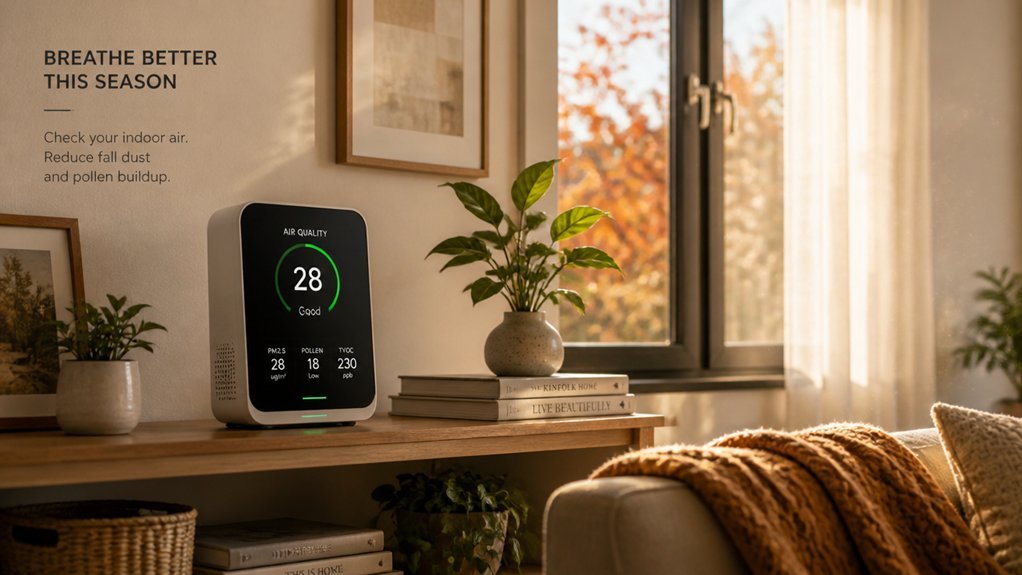
When summer humidity fades, fall can bring a fresh wave of dust and pollen indoors, so it’s a good time to tighten up your cleaning routine.
Start by vacuuming carpets, rugs, and upholstery with a HEPA filter to trap tiny particles before they settle again. Wipe window sills, baseboards, and ceiling fans, since these spots catch drifting debris fast. Keep shoes by the door and wash throw blankets often to cut tracked-in pollen.
- Picture a sunlit rug with invisible specks lifted away by a steady vacuum.
- Imagine a windowsill cleared of yellow dust after a quick swipe.
- See a cozy sofa looking cleaner, fresher, and ready for cooler evenings.
Watch for Winter Dry Air and Indoor Pollutants
Once winter heating kicks on, dry indoor air can make dust linger longer and irritate your nose, throat, and skin. You should keep humidity between 30% and 50% so your home feels more comfortable and allergens don’t spread as easily. Use a hygrometer to check levels, and run a humidifier only when needed so you don’t create excess moisture.
Ventilate while you cook, clean, or burn candles, because these activities can add particles and fumes to the air. Change HVAC filters on schedule, and choose a higher-efficiency filter if your system allows it. Also, avoid smoking indoors and limit harsh cleaners, since winter air traps their chemicals.
If you notice persistent dryness, odors, or headaches, inspect your home’s air sources.
Frequently Asked Questions
How Often Should I Replace Carbon Monoxide Detector Batteries?
You should replace your carbon monoxide detector batteries at least once a year, and sooner if it chirps low-battery warnings. Test it monthly, and swap batteries whenever daylight saving changes make reminders easy.
Can Houseplants Significantly Improve Indoor Air Quality?
Not really; you shouldn’t rely on houseplants to noticeably clean your air. You’ll get better results from ventilation, filtration, and controlling moisture, dust, smoke, and chemicals. Plants can help a little, but they’re no substitute.
What Signs Indicate Indoor Air Quality Problems in Children?
You may notice frequent coughing, wheezing, headaches, watery eyes, congestion, fatigue, or worse asthma symptoms. If your child feels better away from home and symptoms return indoors, you should investigate air quality right away.
Are Air Purifiers Worth Using in Every Room?
Not usually; you’ll get the biggest benefit in rooms you use most, like bedrooms and living areas. You can target problem spots, but you don’t need one in every room unless allergies or pollution are severe.
When Should I Schedule a Professional Indoor Air Quality Inspection?
You should schedule a professional indoor air quality inspection when you notice persistent odors, allergy flare-ups, mold, or humidity issues, or before buying a home. Book one after renovations, flooding, or seasonal changes if symptoms worsen.
In Summary
Keeping your home’s air fresh all year doesn’t have to be complicated. By checking filters, humidity, ventilation, and HVAC performance each season, you can cut down on allergens, moisture, dust, and pollutants before they become bigger problems. Stay consistent with these simple indoor air quality habits, and you’ll create a healthier, more comfortable home for your family in every season. A little routine care now can make a big difference later.