High humidity in your home often shows up as sticky, heavy air that doesn’t cool off well, even with the thermostat set right. You may notice condensation on windows or walls, clammy surfaces, musty odors, and mold or mildew in damp spots like bathrooms, closets, or basements. It can also make rooms feel stuffy and worsen allergies or asthma. If these signs sound familiar, you’re probably dealing with more than just a warm day, and there’s more to know.
What High Indoor Humidity Looks Like

High indoor humidity often shows up as a damp, sticky feeling in the air that lingers even when the room is cool. You may notice your skin feels clammy, your hair won’t settle, and fabrics seem heavy instead of crisp.
Your home can also feel stuffy, as if the air doesn’t move freely. Rooms may seem harder to cool, so you keep adjusting the thermostat without getting relief. You might also spot a general sense of heaviness in the air, especially after cooking, showering, or running appliances.
When humidity stays high, your comfort drops fast, and your living space starts to feel less fresh. If you pay attention, you can often sense the problem before it becomes more obvious elsewhere. Proper dehumidifier operation helps mitigate these issues by controlling excess moisture in the air.
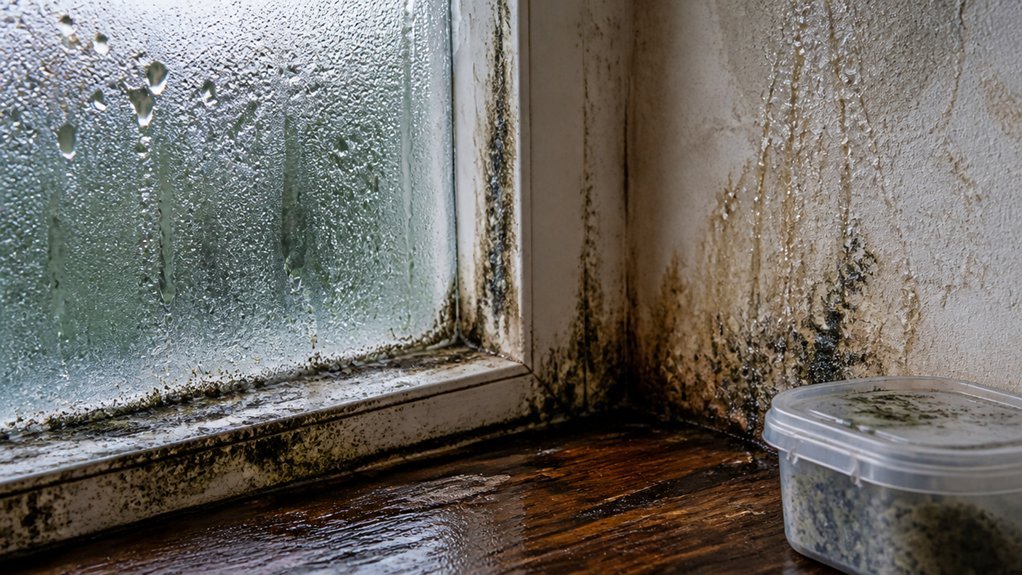
Condensation on Windows and Walls
Another clear sign of excess moisture is condensation on windows and walls. You may notice water beads forming on glass in the morning or along cooler wall surfaces during the day. When humid air meets a cold surface, it drops moisture, and that moisture can collect repeatedly if the humidity stays high. To effectively control indoor humidity, selecting the right dehumidifier with suitable moisture capacity and coverage is essential. You shouldn’t ignore it, because persistent condensation can stain paint, damage trim, and help create the right conditions for mold. Check rooms with poor airflow, like bathrooms, kitchens, and basements, especially after showers, cooking, or laundry. If you wipe the moisture away and it quickly returns, your indoor air likely holds too much water. Improving ventilation, using exhaust fans, and lowering indoor humidity can help you stop the problem before it spreads.
Musty Odors in Your Home
If you notice a musty smell in your home, you may be dealing with hidden mold sources that thrive in damp spots. That odor often comes from humid air that lingers in rooms and feeds mildew growth. A high humidity level can also promote the growth of mold and bacteria, worsening indoor air quality. It can also soak into fabrics and carpets, making the smell stick around even after you clean.
Hidden Mold Sources
A musty smell in your home often points to hidden mold growth, even when you can’t see any visible spots. You should check places where moisture lingers, like behind sinks, under cabinets, around window frames, and inside closets.
Mold can also hide under flooring, behind wallpaper, or inside HVAC components. If you notice the odor gets stronger after rain or when you open certain rooms, you may have trapped moisture feeding growth.
Don’t ignore stains, peeling paint, or warped materials, because they often signal a larger problem. You can reduce the source by fixing leaks, cleaning affected areas safely, and removing porous items that stay damp.
If the smell keeps returning, you’ll need a professional inspection to find what’s out of sight. Considering comprehensive mold testing kits, you can better identify hidden mold sources and confirm the presence of mold in hard-to-see areas.
Damp Room Air
Ever notice that stale, musty smell that hangs in the air even after you clean? That’s a strong sign your room feels damp. When humidity stays high, moisture lingers in the air and traps odors instead of letting them fade.
You might notice the smell most in closed rooms, basements, or bathrooms, especially after rain or showers. Even if everything looks tidy, the air can still feel heavy and unpleasant.
Open windows when you can, run exhaust fans, and use a dehumidifier to lower moisture levels. Check for leaks, poor ventilation, or condensation on walls and windows, since these issues keep the smell coming back.
If the odor doesn’t improve, you may have a humidity problem that needs attention. Proper sensor accuracy is crucial for reliably detecting high humidity levels that contribute to these odors.
Fabric And Carpets
When your carpets, rugs, curtains, or upholstery start holding onto a musty smell, high humidity is often the culprit. Moist air settles into fibers, and you may notice a stale, damp odor after cleaning or rain. That smell tells you your fabrics aren’t drying fast enough, which can lead to mold growth and lingering allergens. Using a reliable indoor air quality monitor can help detect excessive humidity levels and prevent these issues.
Mold and Mildew Growth Spots
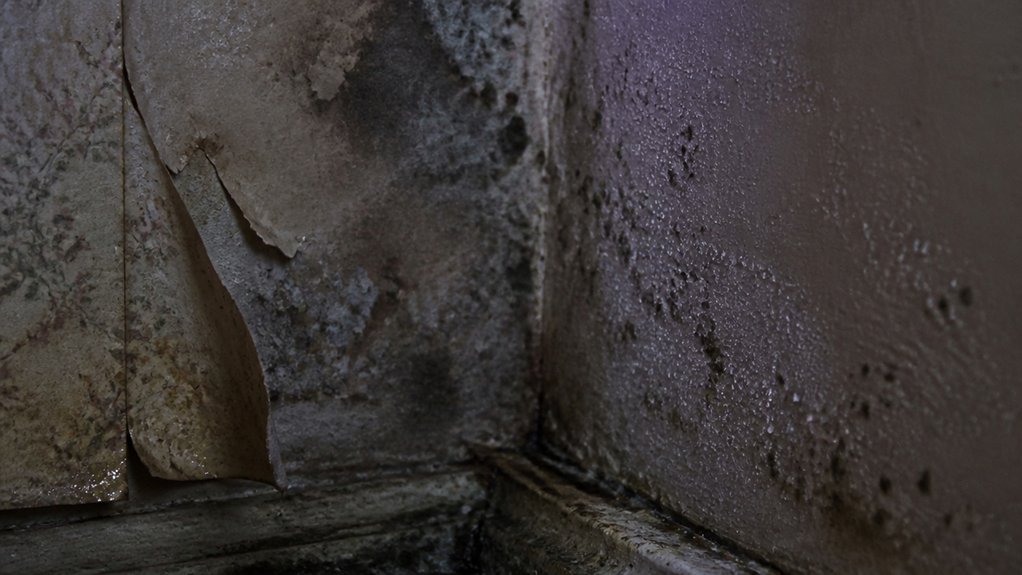
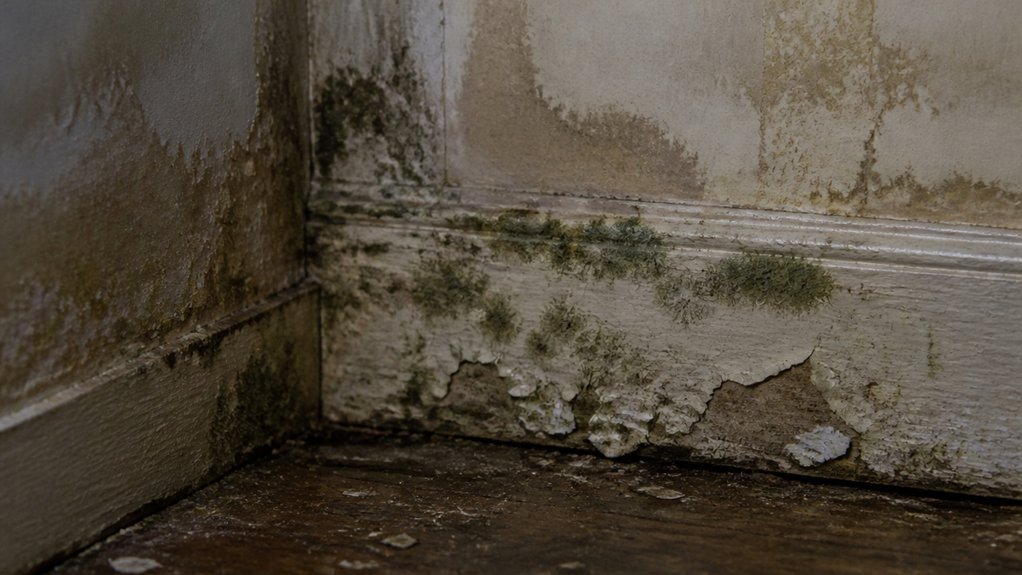
If you notice dark, fuzzy spots on walls, ceilings, bathroom grout, or around windows, high humidity may be feeding mold and mildew. You’ll often see these patches in places where moisture lingers, such as behind furniture, under sinks, or near leaky window frames.
Mold can spread quickly, stain surfaces, and trigger musty odors that you can’t ignore. Mildew usually starts as a thin, powdery film, while mold often looks thicker and darker.
Clean small spots promptly, but don’t just wipe and forget them. If the growth keeps returning, you need to find and fix the moisture source first. Improving ventilation, repairing leaks, and drying affected areas fast can help you stop the problem before it damages your home and health. Using moisture absorbers in problem areas can also help control excess humidity and prevent future growth.
Sticky Air and Clammy Surfaces
When humidity is high, you feel the air stick to your skin because extra moisture slows sweat from evaporating.
You may also notice your walls, furniture, and other surfaces feel clammy to the touch. That damp, tacky feeling is a clear sign the air in your home has too much moisture.
Why Air Feels Sticky
High humidity makes the air feel sticky because it slows sweat from evaporating off your skin, so your body can’t cool itself as easily. You notice that heavy, syrupy feeling when you walk through a room and the air seems to cling to you.
Moisture in the air raises the dew point, so your skin can’t release heat efficiently. As a result, you may feel warmer than the thermostat suggests, even when the temperature hasn’t changed much. You might also notice that your clothes feel damp after only a short time indoors.
This sticky sensation often gets worse in closed spaces with poor airflow, where moisture lingers. When the air feels thick and uncomfortable, humidity is usually the reason. Dehumidifying and improving ventilation can help you feel drier and more comfortable.
Clammy Walls And Furniture
Another clear sign of high humidity is when walls and furniture feel slightly clammy to the touch. You may notice this in rooms that stay damp, especially after showers, cooking, or rainy days.
Moist air settles on cooler surfaces, leaving them tacky instead of smooth and dry. If you press your hand against a painted wall, wood table, or upholstered chair and it feels cool, sticky, or damp, excess moisture is likely building up indoors.
This condition can also make dust cling more easily and encourage mildew growth. To reduce it, improve ventilation, run a dehumidifier, and check for leaks. When surfaces stop feeling clammy, your home usually feels more comfortable too.
How High Humidity Affects Allergies and Asthma

Even if you don’t notice the damp air right away, high humidity can quickly make allergies and asthma harder to manage. Moist air helps dust mites, mold, and mildew thrive, and you breathe in more of their irritants. That can leave you sneezing, coughing, wheezing, or feeling tightness in your chest. You may also notice your eyes itch and your throat feels scratchy.
| Trigger | What It Does | How You Might Feel |
|---|---|---|
| Dust mites | Multiply in damp spaces | Sneezing, stuffiness |
| Mold | Releases airborne spores | Coughing, wheezing |
| Mildew | Grows on moist surfaces | Itchy eyes, throat irritation |
When humidity stays high, your symptoms can flare up faster and linger longer, especially at night or after you’ve been indoors for a while.
How to Check Indoor Humidity Levels
To know whether your home feels too damp, the easiest option is to use a hygrometer, a small device that measures indoor humidity. Place it in a central room, away from windows, vents, and appliances, so you get a fair reading.
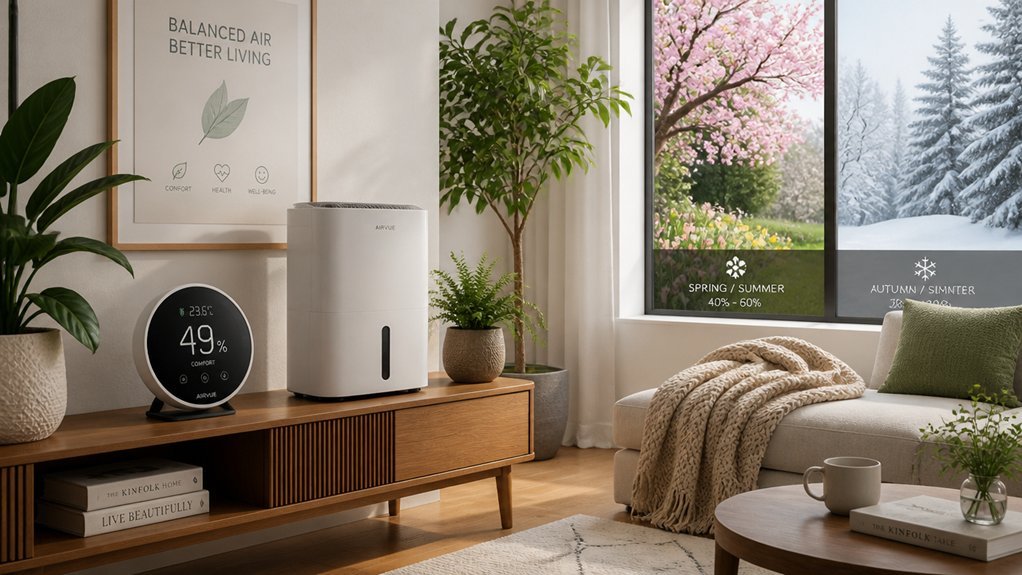
Check the display during different times of day, since humidity can rise after showers, cooking, or rainy weather. Aim for indoor levels between 30% and 50%, which usually feels comfortable and helps limit mold growth.
If you don’t have a hygrometer, watch for condensation on windows, a musty odor, or rooms that feel sticky. You can also compare readings in several rooms to spot problem areas and decide where you need better ventilation or a dehumidifier.
Frequently Asked Questions
Can High Humidity Damage Wooden Furniture Over Time?
Yes, it can. You’ll see wood swell, warp, crack, or grow mold over time, especially if you don’t control moisture. Keep indoor humidity steady, use ventilation, and protect furniture with proper finishes.
Does High Humidity Attract Pests Indoors?
Yes, high humidity can attract pests indoors because you create damp spots that ants, cockroaches, termites, and silverfish love. You’ll reduce infestations when you fix leaks, improve ventilation, and keep surfaces dry.
Can Humidity Increase Your Energy Bills?
Yes, it can. When humidity rises, you’ll run your AC longer to feel comfortable, and that uses more electricity. You may also overcool rooms or use dehumidifiers, which’ll increase your energy bills too.
What Time of Year Is Indoor Humidity Usually Highest?
You’ll usually see indoor humidity highest in late spring and summer, when warm air brings in more moisture. In some climates, rainy or mild winter periods can also push levels up.
Are Dehumidifiers Safe to Run All Day?
Yes, you can run dehumidifiers all day if you monitor the room and keep filters clean. You’ll save moisture problems, but don’t let humidity drop too low or ignore unusual heat, noise, or leaks.
In Summary
High humidity can sneak up on you, but the signs are usually easy to spot. If you notice condensation, musty smells, mold, or that sticky, clammy feeling in your home, it’s time to act. Checking your indoor humidity level can help you protect your comfort, your air quality, and your health. When you lower excess moisture, you’ll make your home feel fresher, safer, and more comfortable every day.