MERV ratings show how well your HVAC filter catches particles, from large dust and lint to tiny pollen, dander, and smoke. For most homes, MERV 5–8 works well, while MERV 9–12 gives better air quality without much airflow loss. If you deal with allergies or smoke, MERV 13–16 can help, but only if your system can handle it. Choosing the right filter protects your air and your HVAC, and there’s more to know below.
What MERV Ratings Mean
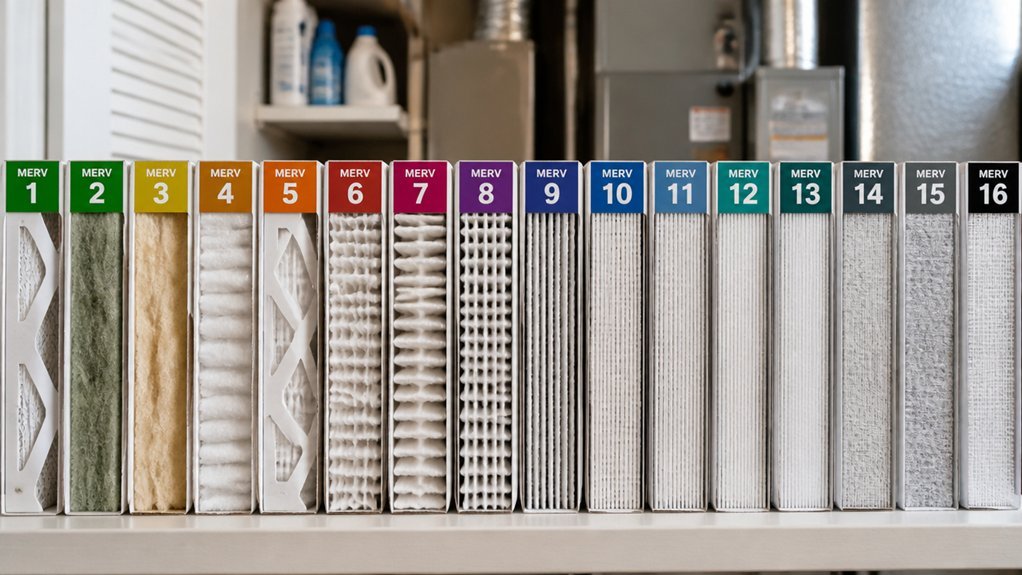
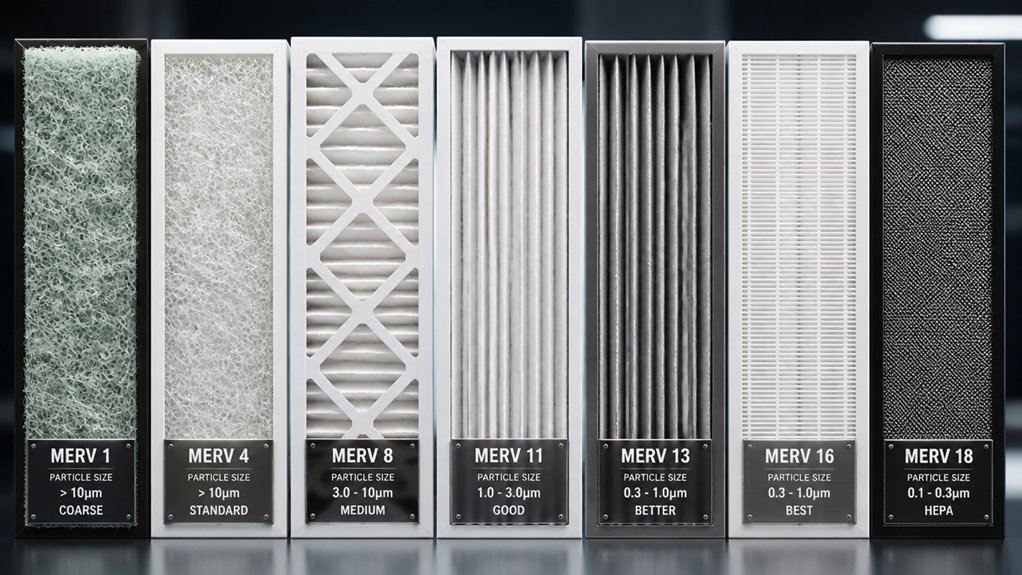
MERV ratings tell you how well an HVAC filter captures particles as air moves through it. The scale runs from 1 to 20, and higher numbers mean the filter traps smaller particles more effectively.
When you check a filter’s MERV rating, you’re looking at its ability to catch dust, pollen, pet dander, mold spores, and other airborne debris. Lower-rated filters stop larger particles, while higher-rated ones target finer contaminants. The rating helps you compare filters by performance, so you can understand what level of filtration each one provides.
It doesn’t measure airflow or efficiency directly, but it does give you a clear standard for particle capture. That makes it easier for you to understand what your HVAC filter can do for your indoor air. Utilizing filters with appropriate ratings also ensures optimal filtration performance and helps protect your indoor environment from airborne irritants.
How to Choose the Best MERV Rating for Your Home
Choosing the right MERV rating for your home means balancing air quality with your HVAC system’s airflow needs. Start by checking your equipment’s manual, because your system may only handle a certain filter range.
A high-precision sensor can help ensure the filter effectively captures the smallest airborne particles.
Then think about your household: if you deal with allergies, pets, or extra indoor dust, you’ll usually want stronger filtration than a basic option. Higher MERV ratings can trap smaller particles, but they can also restrict airflow if your system isn’t designed for them.
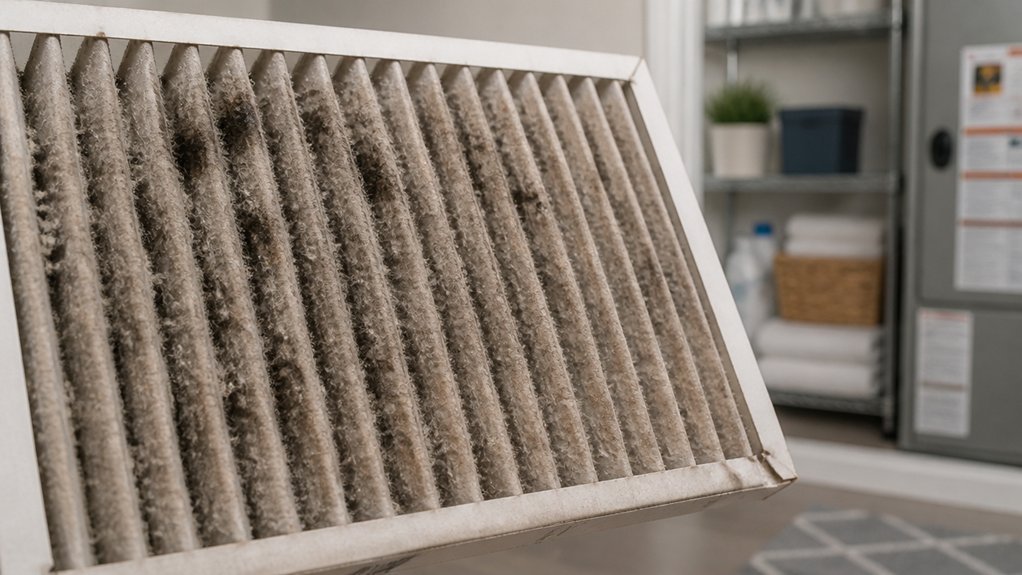
When in doubt, choose the highest rating your HVAC unit recommends and test performance over time. Replace the filter on schedule, since a clogged filter can hurt efficiency even if the rating is ideal.
If you’re still unsure, ask an HVAC technician for guidance.
MERV 1–4 Filters for Basic Dust Control
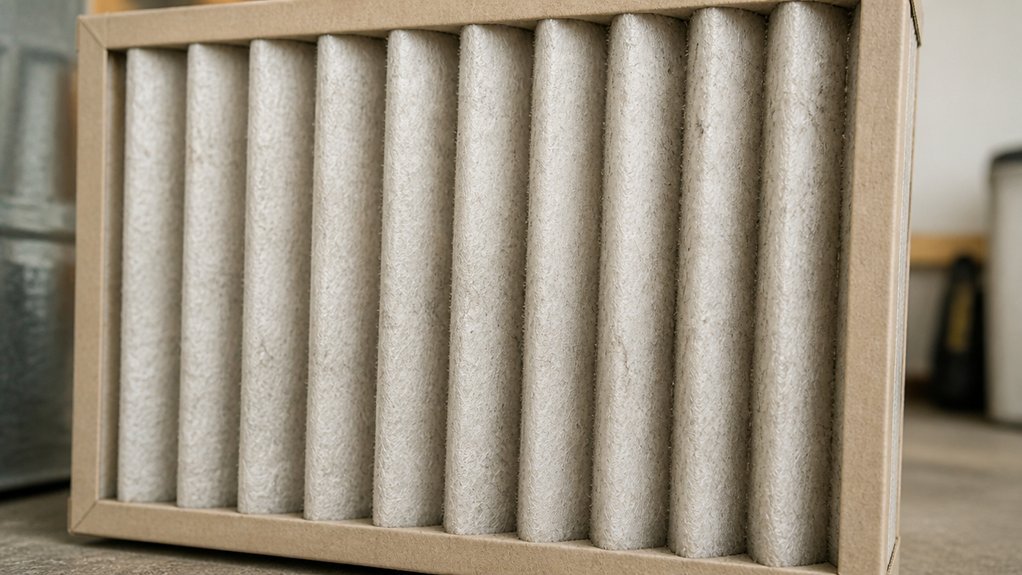
MERV 1–4 filters help you catch basic dust, lint, and larger particles floating through your HVAC system. You’ll usually pay less for these filters, which makes them a budget-friendly choice for simple filtration needs. They work best in homes where you mainly want light dust control and don’t need stronger air cleaning, especially if your heating and cooling system has a lower airflow capacity.
Basic Particle Capture
For basic dust control, MERV 1–4 filters catch the larger airborne particles that tend to build up in homes and light commercial spaces, like lint, carpet fibers, and dust. You’ll notice they target visible debris more than fine contaminants, so they help keep return air cleaner without demanding much from your system.
These filters work best when you want straightforward particle capture and aren’t trying to tackle smoke, bacteria, or tiny allergens.
- They trap bigger particles before they circulate again.
- They support cleaner vents, grilles, and duct surfaces.
- They give you simple filtration for low-demand environments.
- Moisture absorption in certain filter materials can help reduce mold growth in damp areas.
If you change them regularly, you’ll maintain airflow and keep the filter doing its basic job effectively.
Low-Cost Filter Benefits
One of the biggest advantages of MERV 1–4 filters is their low cost, which makes them an easy option when you just need basic dust control. You can buy them cheaply, replace them often, and keep your HVAC system running with minimal expense. They’re a practical choice if you want simple filtration without paying for higher-rated media. Additionally, their sensor detection abilities are limited, so they are not suitable for filtering out finer particles or gases.
Ideal Home Uses
If your main goal is to cut down on visible dust without spending much, MERV 1–4 filters can be a good fit for certain parts of the home. You’ll usually get the best results in spaces where air quality needs are simple and airflow matters more than fine particle capture.
Use them in these situations:
- Vacant rooms where you just want to protect ducts and reduce larger dust buildup.
- Secondary systems in basements, garages, or workshops that don’t need heavy filtration.
- Short-term use when you need a cheap, temporary filter between upgrades.
- When airflow efficiency is more important than fine particle removal, these filters can help maintain proper system function.
You shouldn’t rely on them for allergies, smoke, or pet dander. Still, if you need basic dust control and want low resistance, these filters can keep your system running freely while offering simple, budget-friendly protection.
MERV 5–8 Filters for Most Homes
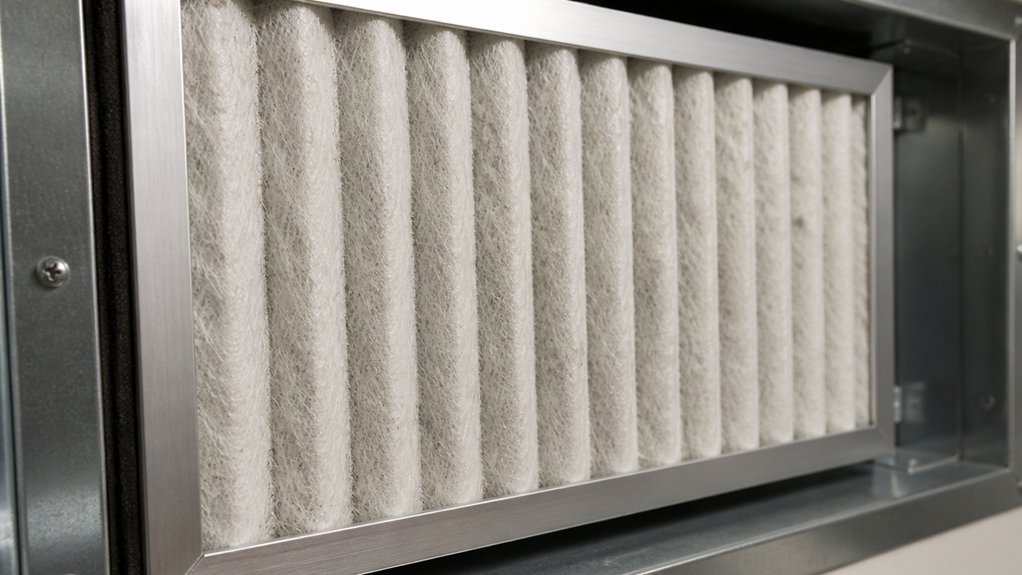
MERV 5–8 filters suit most homes because they balance airflow, dust capture, and everyday comfort without overworking your HVAC system. You’ll usually notice cleaner return vents, less visible dust, and smoother system operation when you replace them on schedule.
These filters catch common household particles like lint, pollen, and larger dust bits, so they’re a practical upgrade from basic fiberglass options. If you have pets or live in a dusty area, they can help keep your home feeling fresher without forcing your furnace or AC to strain.
Check the size and change interval recommended by your equipment maker, since a clogged filter can still restrict airflow. For many homeowners, this range offers the simplest mix of protection, performance, and affordability. Proper filter maintenance is essential to ensure your system works efficiently and maintains good indoor air quality.
MERV 9–12 Filters for Better Air Quality
MERV 9–12 filters catch smaller particles than lower-rated options, so you get better control over dust, pollen, and some pet dander.
You’ll often use them at home when you want cleaner air without pushing your HVAC system too hard. If you have allergies or want a noticeable air-quality upgrade, this range can be a smart fit.
Capturing Smaller Particles
When you want cleaner indoor air, MERV 9–12 filters can make a noticeable difference by trapping smaller particles that lower-rated filters often miss. You’ll catch fine dust, lint, and many microscopic irritants before they keep circulating through your home.
That means your HVAC system can help reduce the load on surfaces, vents, and return grilles.
- Fine particulate capture: These filters intercept smaller debris with tighter fiber spacing.
- Improved airflow balance: You get better filtration without the heavy restriction of higher-grade options.
- Cleaner breathing space: You’ll notice less haze, less buildup, and a fresher feel indoors.
Because they target smaller contaminants, these filters offer a practical middle ground between basic dust control and more advanced air cleaning.
Best Uses At Home
For most homes, MERV 9–12 filters are a smart choice when you want better air quality without pushing your HVAC system too hard. You can use them in homes with kids, pets, or frequent dust, because they trap finer particles than basic filters.
They’re also a solid pick if someone in your home has mild allergies or you want less pollen drifting indoors. In many cases, you’ll get a noticeable boost in comfort without stressing the blower.
Just make sure your system can handle the added resistance, and replace the filter on schedule. If you want a balanced option for everyday living, MERV 9–12 often gives you the right mix of airflow, protection, and cleaner indoor air.
MERV 13–16 Filters for Allergy and Smoke Control
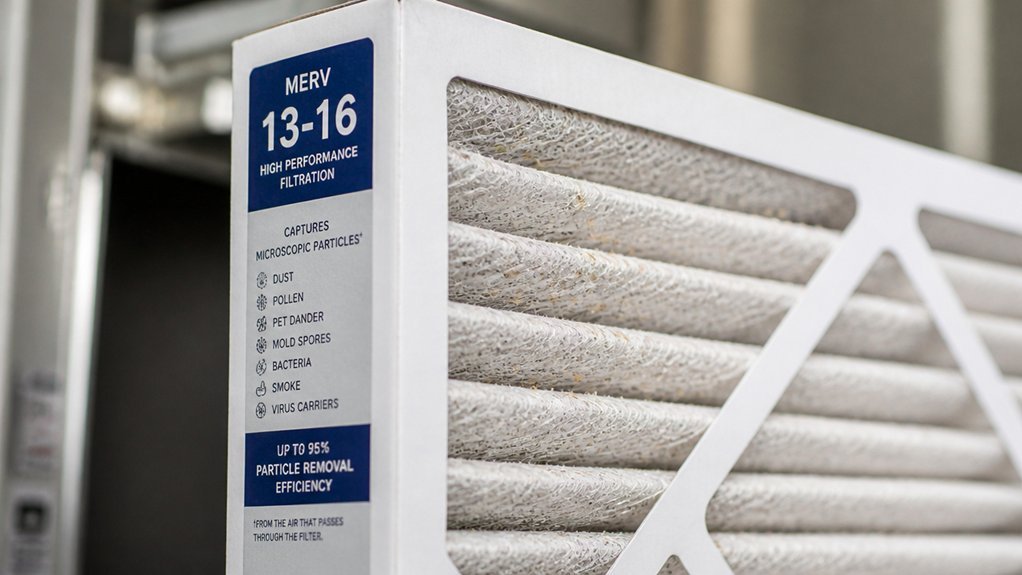
If you’re trying to cut down on allergens and smoke particles, MERV 13–16 filters offer a big step up in air-cleaning power. You’ll capture finer dust, pollen, pet dander, mold spores, and some smoke residue, which can make your home feel noticeably cleaner. These filters work well when you want stronger filtration without jumping to specialized equipment.
- Choose MERV 13 for broad home allergy control.
- Move toward MERV 14–16 when you want tougher particle capture.
- Replace filters on schedule so they keep trapping contaminants efficiently.
You’ll get the best results when you pair a higher-rated filter with regular maintenance and consistent airflow checks. That way, you support healthier indoor air and keep your system working as intended.
When Higher MERV Hurts Performance
Higher MERV isn’t always better for your system, because denser filters can restrict airflow and make your HVAC work harder.
If you choose a filter that’s too tight for your furnace or AC, you may notice weaker vents, longer run times, and higher energy bills. In some systems, that extra strain can also raise indoor humidity, increase wear on the blower, and shorten equipment life.
You should match the filter to your unit’s specifications, not just chase the highest rating. If you want stronger filtration, make sure your HVAC can handle it or consider upgrading the system first.
A properly sized MERV 8 or 11 filter often protects your equipment while still trapping dust, pollen, and other common particles effectively.
Frequently Asked Questions
How Often Should I Replace My HVAC Filter?
You should replace your HVAC filter every 1 to 3 months, but you’ll need to check it monthly if you have pets, allergies, or heavy use. Change it sooner when it looks dirty.
Can MERV Ratings Affect My Energy Bills?
Yes, higher MERV filters can raise your energy bills if your system struggles to push air through them. You’ll use less energy with the right rating, clean filters, and regular maintenance.
Do Washable Filters Have MERV Ratings?
Yes, some washable filters do list MERV ratings, but many don’t. You should check the manufacturer’s label, because reusable filters often prioritize airflow and durability, and their ratings can vary widely by design.
Are MERV Ratings the Same as HEPA Filtration?
No, MERV ratings aren’t the same as HEPA filtration. You’ll find MERV rates HVAC filters by efficiency, while HEPA meets a stricter standard and captures far smaller particles than most MERV filters do.
How Do I Know if My System Needs a Thicker Filter?
Check your filter slot and your system manual; if there’s extra depth, you can use a thicker filter. You’ll also need enough airflow, so ask an HVAC tech if your blower can handle it safely.
In Summary
Choosing the right HVAC filter MERV rating helps you balance cleaner air and system performance. If you want basic dust control, lower MERV filters can work well. For most homes, MERV 5–8 gives you a solid middle ground. If you deal with allergies or smoke, higher MERV options may help, but only if your system can handle them. Check your HVAC manual before upgrading, and you’ll keep your air cleaner without hurting airflow.