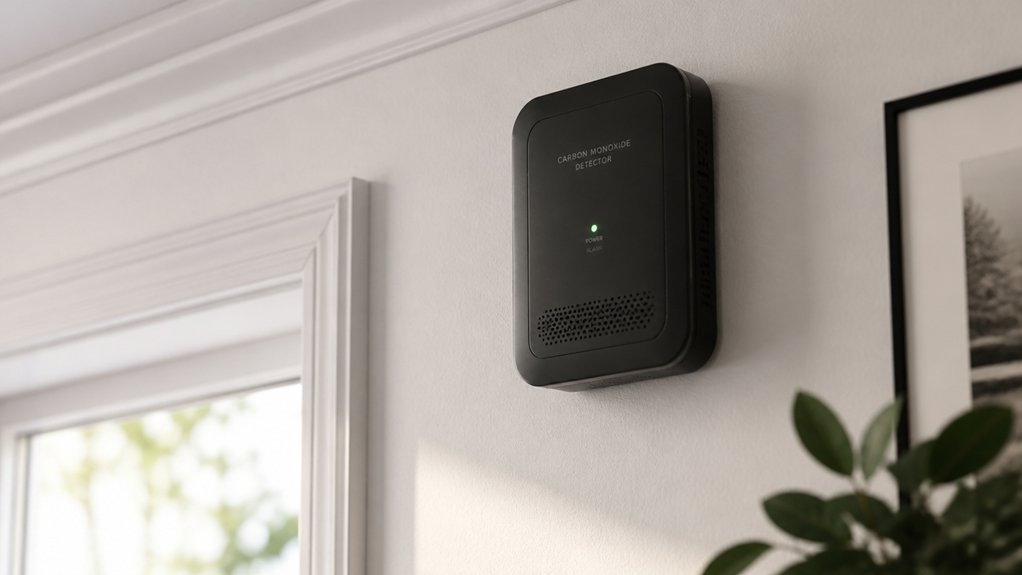
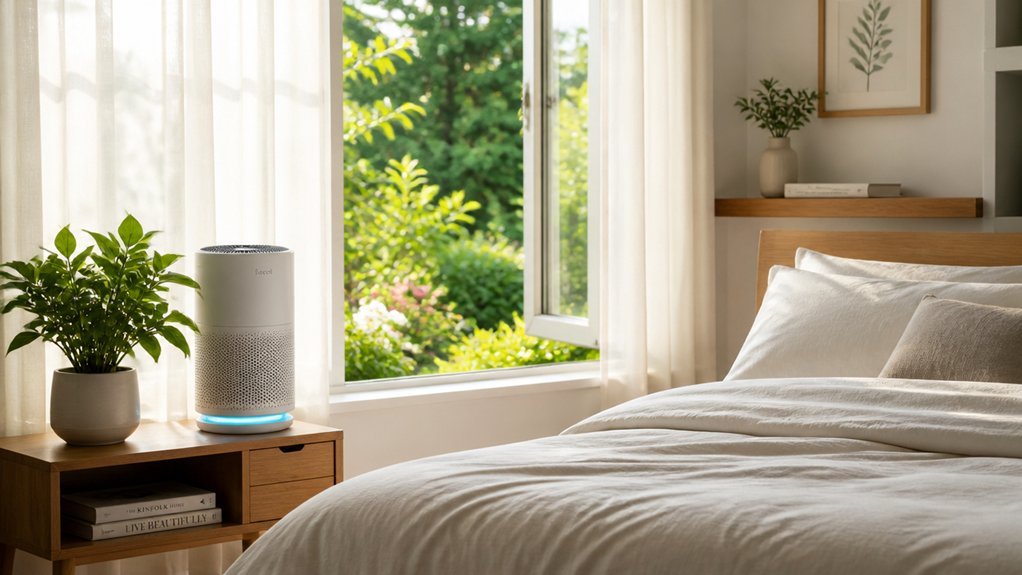
You can lower bedroom CO2 by testing levels with a reliable monitor, then watching for readings above 1,000 ppm. Crack a window at night, or open opposing windows for cross-breeze ventilation. Use a quiet fan to move stale air out and fresh air in. Keep doors open when you can, and clear airflow paths. Turn off extra devices, candles, and heaters before sleep. Small changes can make nights feel fresher, and there’s more to learn next.
Test Bedroom CO2 Levels First
Before you change your sleep space, measure its CO2 level first. Use a reliable indoor air monitor and place it where you actually breathe, not right by a window or vent.
Check the reading in the evening, overnight, and again in the morning so you can spot patterns. Keep a simple log of the results, along with whether doors stayed open, fans ran, or people slept in the room. This lets you see what affects the air you breathe most.
If you test more than once, you’ll get a clearer picture than a single snapshot. Pay attention to the sensor accuracy of your monitor to ensure the data you collect is reliable. Once you know your baseline, you can make smarter choices about ventilation and room setup instead of guessing and hoping for better sleep.
Know What CO2 Levels Are Too High?
So, what counts as too high? You’ll usually notice bedroom CO2 climbing past 1,000 ppm, and that’s your signal to pay attention. Above 1,500 ppm, air can feel stale, and you may wake up groggy. Around 2,000 ppm, many people feel sluggish, foggy, or headachy. At 5,000 ppm, CO2 reaches the long-term workplace limit, so you should treat that as a serious warning.
Monitoring the levels with a reliable CO2 sensor can help you maintain healthy indoor air quality and prevent discomfort or health issues.
Watch for these clues:
- stuffy air
- poor sleep quality
- morning headaches
- heavy, sleepy feelings
- trouble focusing
If your meter keeps showing elevated numbers, your bedroom needs action. Don’t guess based on smell alone; CO2 has no odor. Use the reading to judge risk, then plan your next step.
Open Windows for Nighttime Ventilation

If the weather and security allow it, crack open a window at night to let stale air escape and fresh air enter your bedroom. Even a small opening can help dilute the CO2 you build up while sleeping, especially if your room feels stuffy by morning. Proper humidity monitoring can ensure optimal airflow and prevent excess moisture buildup. You don’t need to swing the window wide; a few inches can be enough in mild weather. Close it if outdoor air turns too cold, smoky, or noisy, and use screens for insect protection. If you live in a place with pollen or pollution, check local conditions before you sleep. Night ventilation works best when you make it a habit, so you’re not waking up to a stagnant room and a higher CO2 load.
Improve Cross-Breezes in the Bedroom
To improve cross-breezes, open opposing windows so fresh air can move through your bedroom more easily. You can also use a window fan to pull stale air out or draw cooler air in. Keep pathways clear around vents, doors, and windows so airflow isn’t blocked. Using proper placement of detectors ensures they function correctly without false alarms or malfunctions caused by poor airflow.
Open Opposing Windows
Crack open two windows on opposite sides of your bedroom, and you can create a steady cross-breeze that flushes out stale air and brings in fresher air. This simple habit helps dilute CO2 buildup while keeping the room feeling less stuffy.
You don’t need a big opening; even a small gap can make a difference when air can enter and exit freely.
- Open the windows wide enough to notice movement.
- Choose times when outdoor air feels cleanest.
- Keep doors slightly ajar to support airflow.
- Remove clutter that blocks the path of air.
- Adjust the openings until the room feels balanced.
- Using proper ventilation methods can optimize airflow and improve indoor air quality further.
Use Window Fans
Window fans can boost a cross-breeze when open windows alone aren’t moving enough air. Place one fan in a window facing outward to push stale bedroom air outside, or face it inward to pull fresher air in, depending on wind direction.
If you’ve opened windows on opposite walls, a fan can strengthen that exchange and help lower CO2 faster. Choose a quiet model so you can sleep, and run it on low to avoid a harsh draft.
In the evening, start the fan before bed, then keep it on while you sleep if outside air is cooler and cleaner. During mild weather, a small fan can make a big difference in ventilation and comfort without using much energy. Proper placement and choosing models with low noise levels can ensure a restful night while improving air quality.
Clear Airflow Pathways
Even a good breeze can stall if your room is cluttered, so clear the path between windows, doors, and fans. Move chairs, hampers, and tall decor away from openings, and keep curtains from blocking airflow. You’ll help fresh air sweep through faster, which can push stale indoor air out and lower CO2 buildup overnight. A well-planned airflow setup also enhances humidity sensors’ effectiveness, making ventilation more responsive to your needs.
- Open aligned windows when outside air feels clean
- Leave interior doors ajar to form a cross-breeze
- Shift fans so they pull air through the room
- Trim bulky bedding or storage near vents
- Check that screens and grilles aren’t clogged
A direct route lets air travel freely, so your bedroom feels lighter and easier to breathe in.
Reduce Overnight CO2 Sources
You can lower bedroom CO2 by cutting the emissions that build up while you sleep. Turn off any unnecessary devices, and avoid bringing combustion sources like candles or space heaters into the room.
Keeping your bedroom free of extra CO2 sources helps your air stay fresher overnight.
Cut Sleep-Time Emissions
To cut sleep-time emissions, focus on the small sources that quietly raise CO2 while you’re in bed. Turn off electronics, chargers, and glowing displays before you sleep.
- Sleep with windows cracked when outdoor air quality allows.
- Keep the door open slightly for better air mixing.
- Choose low-power fans instead of energy-hungry devices.
- Avoid running a space heater unless you truly need it.
- Shut down laptops, TVs, and gaming systems completely.
You can also replace bright bedside lighting with dim, efficient bulbs and switch it off early. If you use an air purifier, run it on the lowest effective setting.
These simple habits reduce the energy tied to your bedtime routine, which helps lower overnight CO2 buildup without making your room feel uncomfortable.
Limit Bedroom CO2 Sources
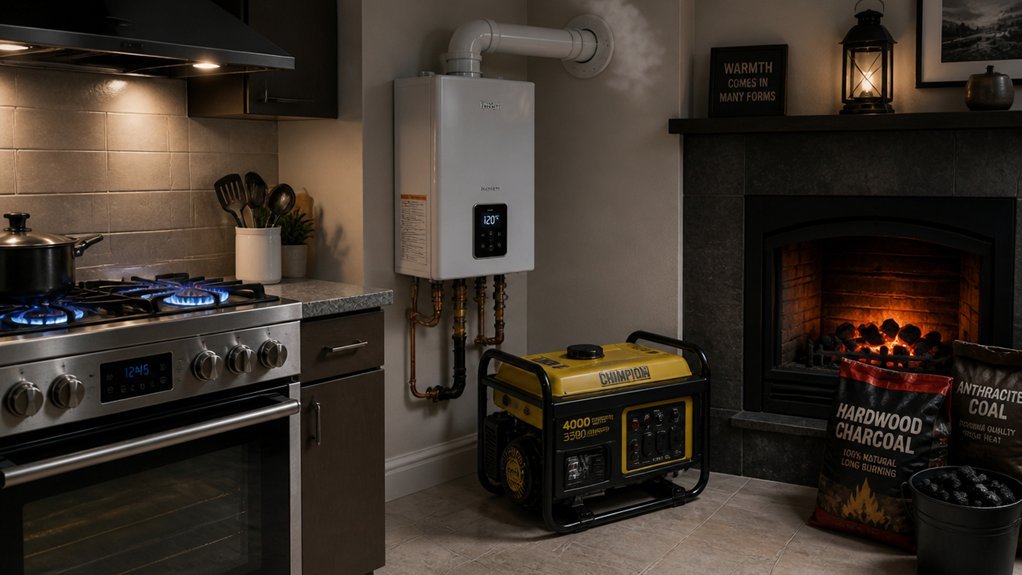
After trimming the obvious bedtime energy drains, look at the bedroom itself for CO2 sources that can build up overnight. Start by moving fuel-burning devices out of the room; never run a gas heater, portable generator, or candle while you sleep.
If you use a fireplace nearby, close the damper and keep smoke from drifting in. Check for attached bathrooms, laundry vents, or shared HVAC returns that can pull in stale air and trapped carbon dioxide. Keep pets in another space if your room is small, since every breath adds more CO2. Also avoid overcrowding the bedroom with extra sleepers when you can.
Finally, open a window or door slightly and use a fan to dilute what’s left.
Use Fans to Keep Air Moving

A gentle fan can make a big difference in a stuffy bedroom by keeping air from sitting still. You don’t lower CO2 directly with a fan, but you do help mix stale air with fresher air, which can make the room feel less cramped.
Aim the fan so it supports airflow, not just one corner.
- Place a fan near an open window.
- Set it to move air across the room.
- Use a ceiling fan on a low setting.
- Keep doors open when possible.
- Turn it on before bed.
You’ll breathe easier when air keeps circulating, especially if you sleep with the door closed.
For best results, pair the fan with ventilation, since moving air works best when fresh air can enter too.
Frequently Asked Questions
How Often Should Bedroom CO2 Levels Be Checked?
You should check your bedroom CO2 levels regularly, ideally once a week and whenever you notice stuffiness, poor sleep, or headaches. If you use a monitor, review it daily to catch rising levels quickly.
Can Plants Help Reduce CO2 in Bedrooms?
Yes, plants can absorb some CO2, but you’ll need many to make a meaningful difference in your bedroom. You’ll lower levels more effectively by improving ventilation, opening windows, and using fans or an air exchanger.
Do Air Purifiers Lower Bedroom CO2?
No, you usually can’t rely on air purifiers to lower CO2 in your bedroom. You need fresh air exchange instead, like opening windows or using ventilation, because purifiers mainly filter particles, not carbon dioxide.
Are Smart Sensors Worth Using for Bedroom Air Quality?
Yes, you’ll benefit if you want real-time insight into CO2, humidity, and temperature. You can spot poor ventilation fast, track trends, and act sooner, though sensors won’t improve air quality themselves.
Does Humidity Affect CO2 Buildup in Bedrooms?
Yes, humidity can affect how CO2 feels in your bedroom, but it doesn’t directly cause buildup. You’ll notice stuffier air when moisture rises, and ventilation becomes less effective, so CO2 can linger longer.
In Summary
Now that you know how to lower CO2 in your bedroom, you can make small changes that improve your sleep and air quality fast. Start by testing your levels, then open windows, boost cross-breezes, cut overnight CO2 sources, and keep air moving with fans. If your readings stay high, rethink your room setup and ventilation. With a few simple habits, you’ll breathe easier and wake up feeling more refreshed every morning.